Chile's Emergency Response Fails to Bridge Policy and Execution Gap
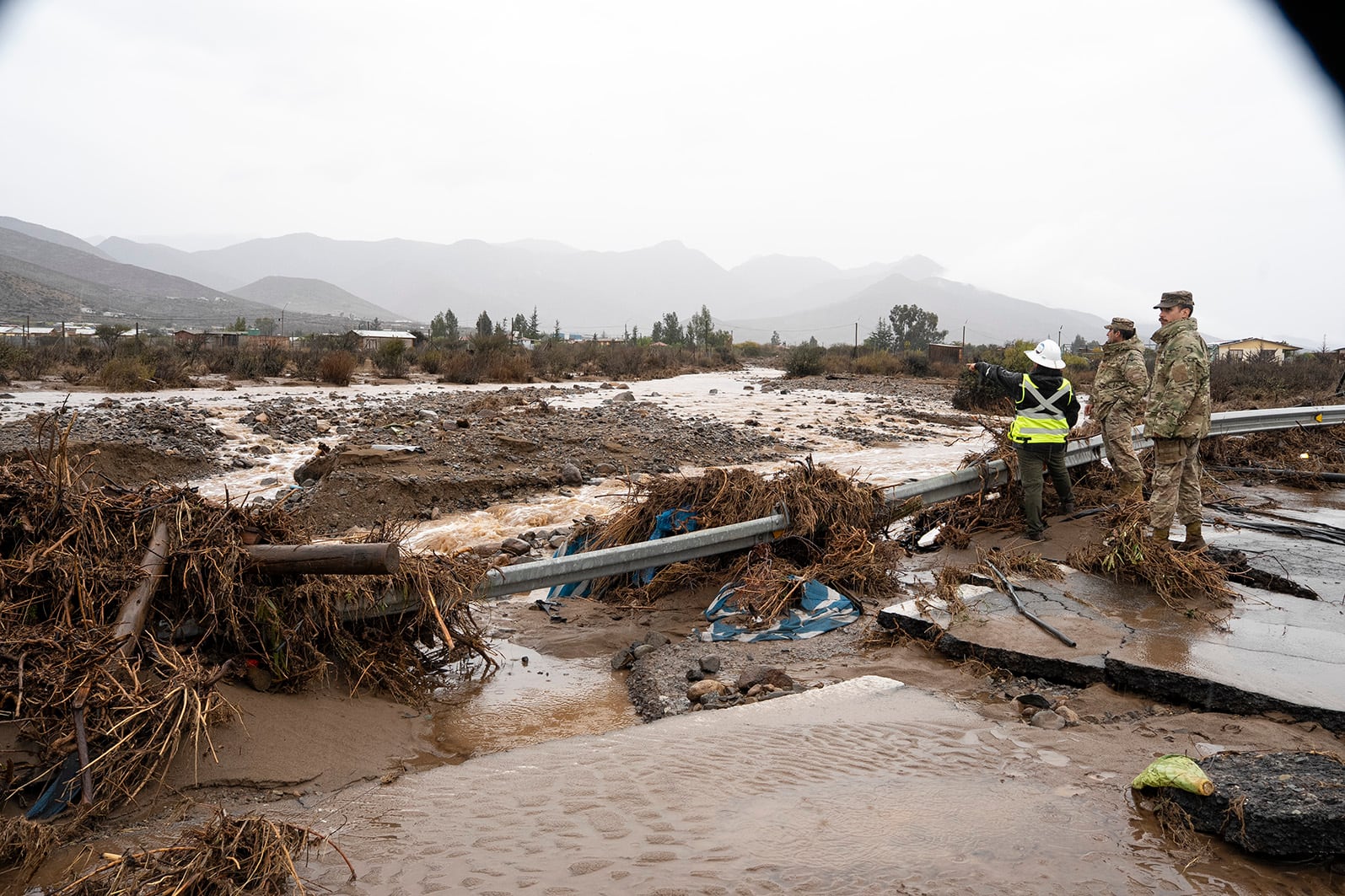
A critical gap between political decision-making and on-the-ground execution has been exposed by the recent emergency in Chile's Coquimbo Region and southern Atacama Region. While the government correctly declared a Preventive Emergency based on technical forecasts, a tool available since 1974, its potential was not fully realized. This proactive declaration, though commendable, was not matched by timely logistical pre-deployment. Essential resources such as helicopters, heavy machinery, all-terrain vehicles, communication equipment, and humanitarian aid were not positioned in vulnerable areas, despite known risks due to geography, dispersed communities, and the region's history, including a 2015 tragedy in Atacama. The core weakness lies in the command and control structure of Senapred, the national emergency management agency. Previously known as Onemi, its legislative evolution left it as a coordinating and advisory body without clear command authority or accountability. This vacuum forces political levels to assume operational responsibilities that are not their purview. Investigations into past events, including a 2024 mega-fire, have highlighted Senapred's failed horizontal governance and the need for reform, including its evacuation alert system. Despite these warnings, no significant changes have been implemented. While not all emergencies can be prevented, a functional institutional framework should ensure timely responses and mitigation efforts, demonstrating that all possible actions were taken.
The situation in Chile's Coquimbo and Atacama regions highlights a persistent challenge in public administration: the disconnect between policy intent and operational reality. While the government's use of the Preventive Emergency decree demonstrates an evolving understanding of risk management, the failure to translate this into effective logistical pre-deployment suggests systemic issues within Senapred's governance. The agency's lack of clear command authority, a legacy of its institutional design, appears to hinder its ability to execute mandates efficiently, pushing operational burdens onto political actors. This structural weakness, identified in previous investigations, creates a cycle where policy declarations are made, but their impact is diminished by execution failures. Moving forward, strengthening Senapred's command and control framework, ensuring clear lines of accountability, and integrating lessons learned from past events will be crucial for enhancing national resilience against future emergencies. The long-term implications involve not just mitigating immediate disaster impacts but also fostering public trust in the state's capacity to protect its citizens.
AI-generated to prompt reflection — not editorial opinion, not advice, not a statement of fact. How this works.