Chile's Environmental Impact Assessment Reform: A Missed Opportunity for Meaningful Change
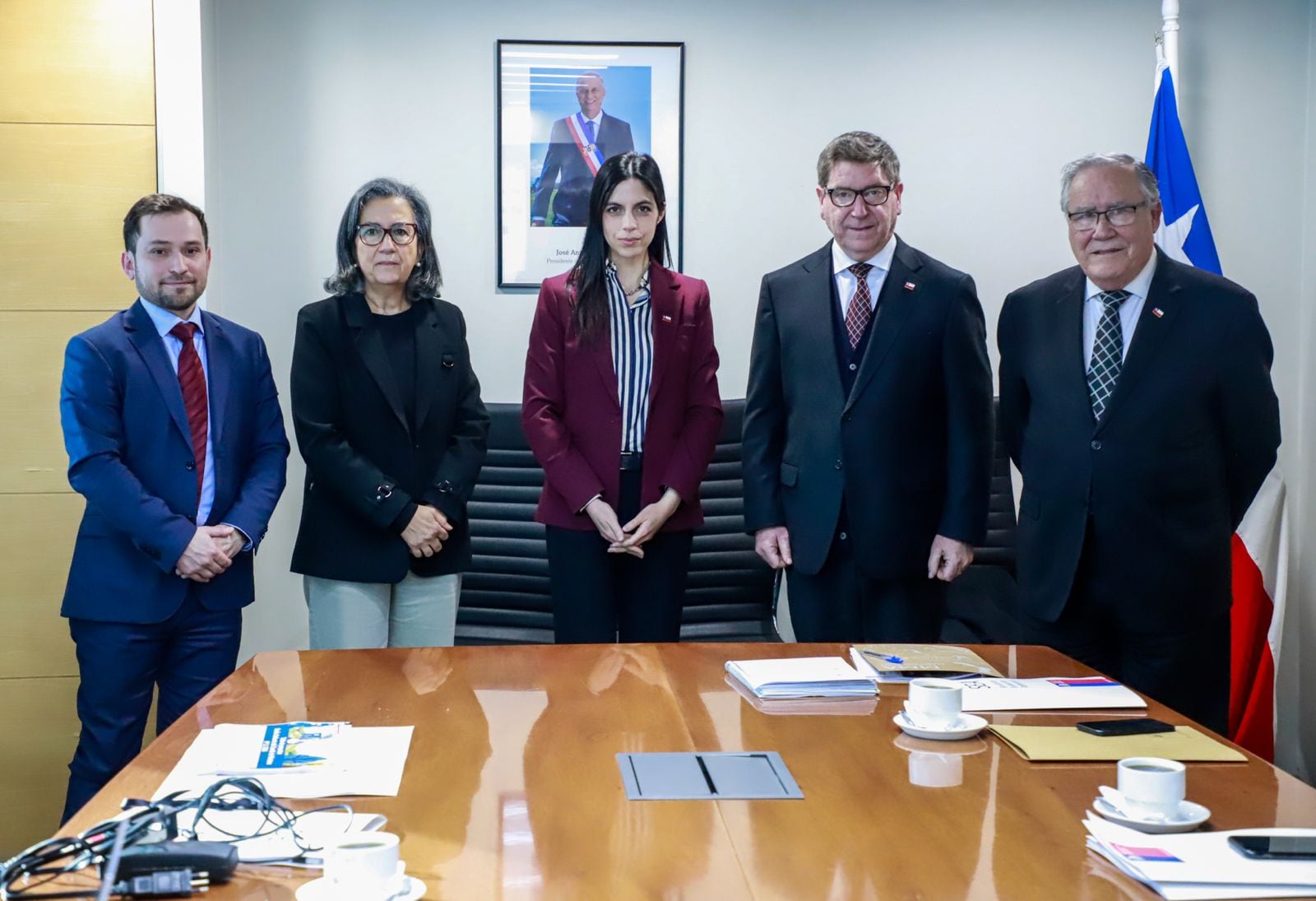
Francisca Toledo, the head of Chile's Ministry of Environment, has repeatedly emphasized the urgent need to approve the reform to the Environmental Impact Assessment System currently under discussion in the Chamber of Deputies. She highlights that this reform has been debated for 10 years and remains elusive. However, the author argues that approving the current proposal would be a missed opportunity because it only introduces marginal improvements and partial adjustments, failing to address the fundamental dysfunctions within the evaluation process. A key point of contention in the project is the role of the Committee of Ministers, a political body that makes technical environmental decisions. The current system is deemed inadequate, as political bodies should not be reviewing technical decisions like mitigation and compensation measures. Nevertheless, the author acknowledges that large, contentious projects inherently involve political considerations, and decision-makers should be accountable to the public. The proposed solution is not to replace the Committee of Ministers with a technical body, as suggested by the previous government, nor to maintain the status quo, as the current government proposes. Instead, a more ambitious and complex legislative proposal is needed to redesign the process. This redesign should ensure that political authorities make initial project viability decisions based on technical input, while technical experts handle environmental decisions later in the process.
The proposed reform to Chile's Environmental Impact Assessment System, while aiming to address a decade-long discussion, appears to offer only incremental adjustments rather than systemic reform. The debate over the Committee of Ministers highlights a tension between technical expertise and political accountability in environmental decision-making. Replacing a political body with a technical one, or maintaining the current structure, both present potential drawbacks. A more robust approach might involve clearly delineating phases of decision-making, ensuring that initial strategic choices are politically informed and final technical assessments are insulated from undue political influence. Future reforms could explore models that enhance transparency and public participation while maintaining scientific rigor, thereby fostering greater trust and more sustainable development outcomes in the long term.
AI-generated to prompt reflection — not editorial opinion, not advice, not a statement of fact. How this works.