Chile's Former Finance Minister Dismisses Recession Talk, Cites 'Labor Emergency'
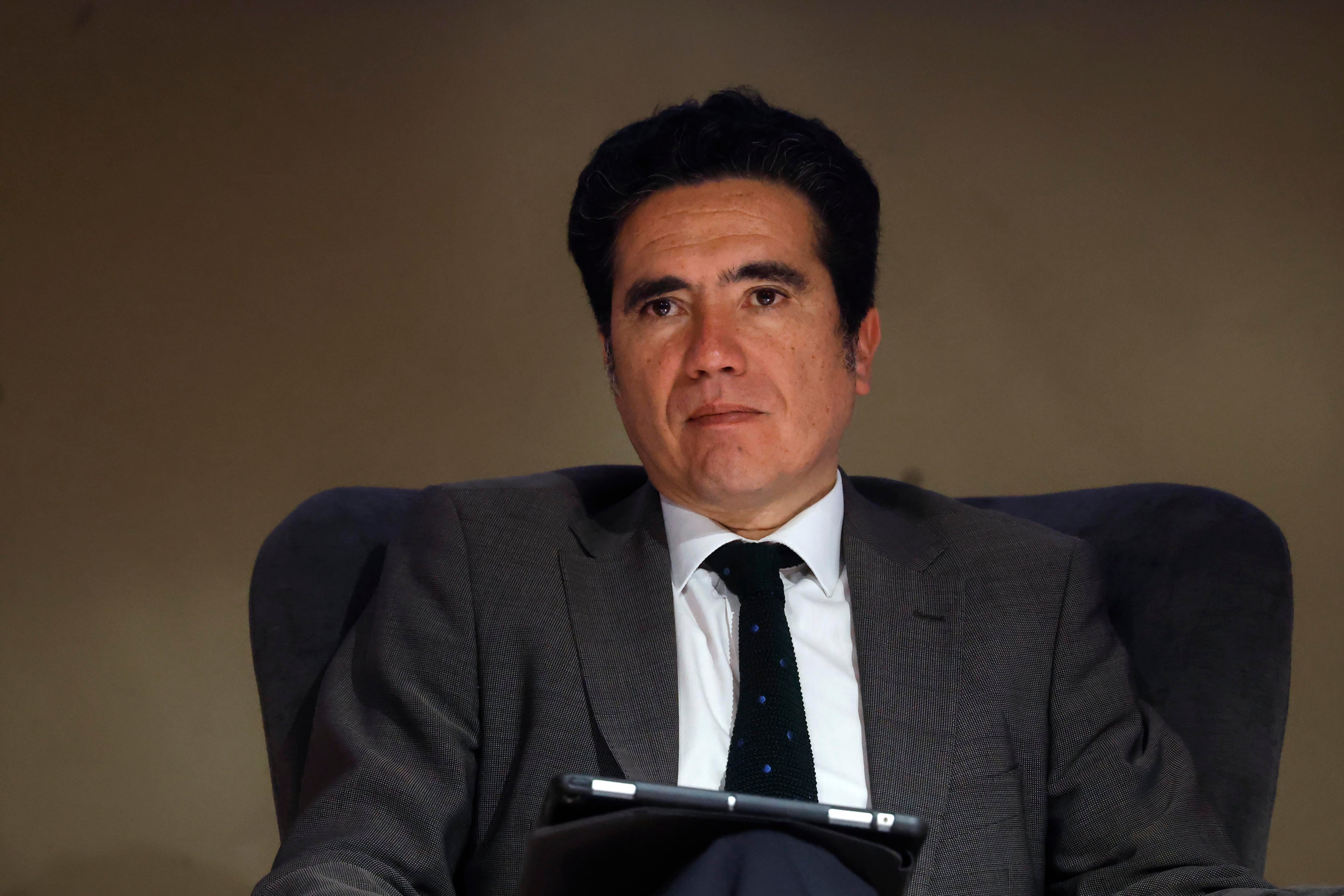
Former Chilean Finance Minister Rodrigo Valdés has stated that Chile is not technically in a recession, despite potential economic slowdowns. He emphasized that the national economic discussion should not solely focus on whether the country experiences two consecutive quarters of negative growth. Instead, Valdés believes the core issue is Chile's persistent problem of low structural growth. He pointed out that the nation has been experiencing a "mediocre" growth rate of approximately 2% for over a decade. This prolonged period of sluggish economic expansion, according to Valdés, presents a more significant challenge than a potential, temporary recessionary phase. He also highlighted an "emergency" in the labor market, suggesting that job creation and employment dynamics are a critical concern for the country's economic health. The former minister's remarks suggest a need for deeper, long-term economic reforms rather than short-term fixes for cyclical downturns. His focus on structural issues indicates a call for policies that foster sustainable and robust economic development in Chile.
The former minister's perspective shifts the economic focus from cyclical recession indicators to the persistent challenge of low structural growth and labor market 'emergencies.' This framing suggests that short-term economic fluctuations, while important, may distract from the deeper, systemic issues hindering Chile's long-term prosperity. The analysis highlights that sustained, below-potential growth over a decade points to underlying structural impediments, potentially related to productivity, investment, or regulatory environments. Addressing these fundamental issues, rather than solely reacting to recessionary signals, is crucial for fostering a more dynamic and resilient economy. The 'labor emergency' further underscores the need for comprehensive strategies that promote job creation and ensure inclusive economic participation in the face of evolving economic landscapes.
AI-generated to prompt reflection — not editorial opinion, not advice, not a statement of fact. How this works.