Chile's Government: Defining the Right-Wing Spectrum
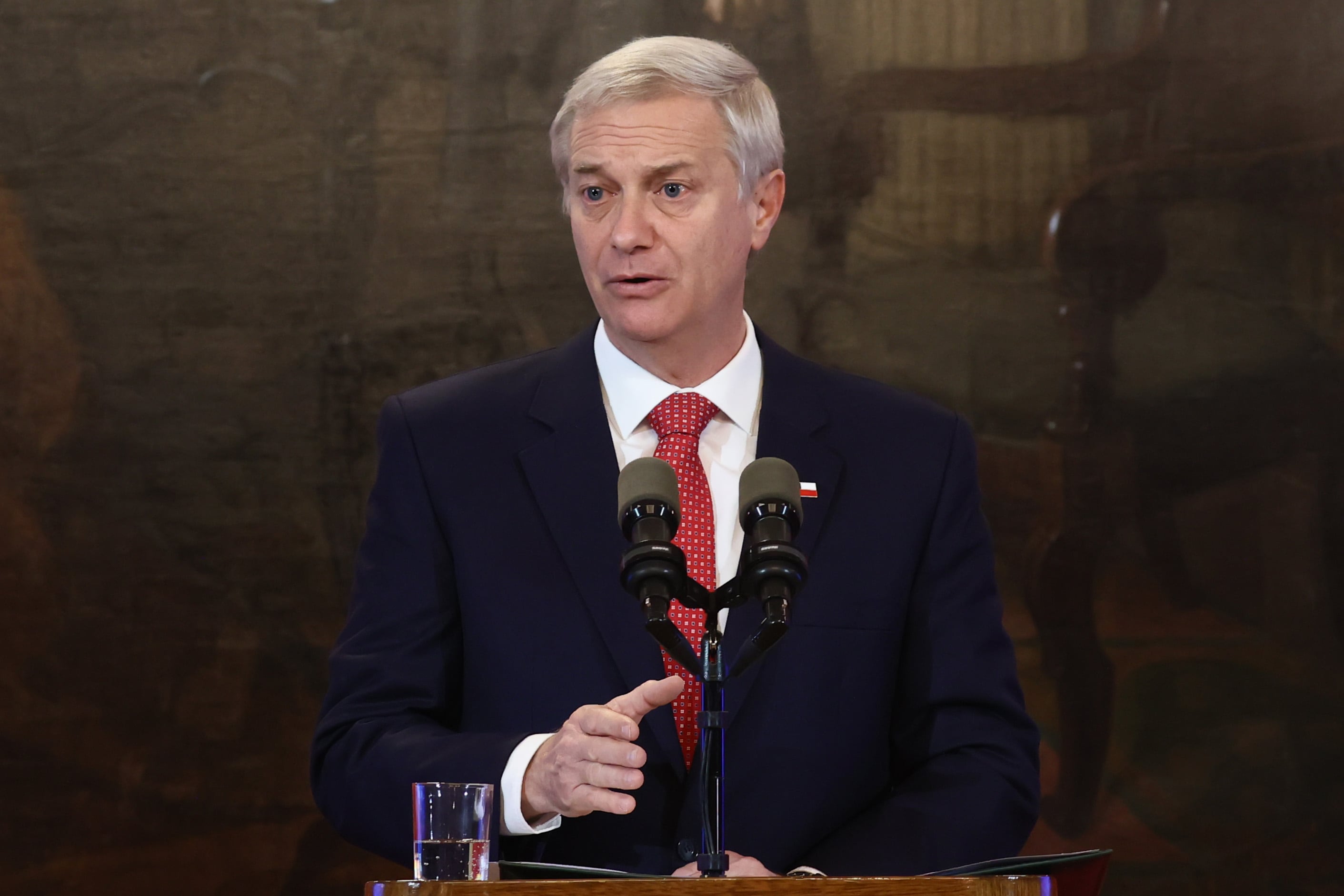
The author argues for a clearer characterization of Chile's current government, essential for defining opposition strategies. He criticizes Luis Cordero's analysis for omitting a discussion of presidential candidate Kast's campaign, which he deems disqualifying, even for broadly agreed-upon security policies. The author notes a strong resemblance between Chilean Republicans and their counterparts in the United States.
Cordero suggests the current government leans more towards the 'Chacarillas' era than Viktor Orbán's Hungary, but fails to analyze the evolution of the UDI party. The UDI has undergone three phases: initially defined by Jaime Guzmán's role supporting the dictatorship; then adapting to democracy under Lavín and Piñera; and finally, with a faction joining the Republicans, embracing the dictatorship and endorsing Kast over Matthei. The author posits that the 'Chacarillas' period, where the UDI and Republican parties were most aligned with Hungarian illiberal democracy, involved figures like Pinochet advocating for an authoritarian, technocratic democracy that prioritized collective goals over individual ambition.
While Cordero acknowledges the threat of new right-wing movements, he prematurely absolves the government of these tendencies, overlooking global right-wing coordination. The author points to Kast's ongoing influence, the confrontational style of some ministers, and projects like 'reconstruction' that undermine redistributive local government funding and social policies. Other concerns include the 'Listen to Your Heart' initiative, the approach to student protests, and practical challenges to the separation of Church and State, alongside the spread of anti-liberal thought by intellectuals.
This commentary dissects the ideological positioning of Chile's current government, urging a nuanced understanding of its 'right-wing' identity beyond simplistic labels. It highlights the historical evolution of key political factions, like the UDI, and draws parallels with global illiberal movements, suggesting a need to scrutinize contemporary policies through this lens. The analysis implicitly questions whether current government actions, such as shifts in social policy funding, approaches to protest, and rhetoric on church-state relations, align with democratic norms or reflect a broader trend toward illiberalism. It prompts consideration of how these policy directions might shape Chile's democratic institutions and social contract over the next decade, particularly in the context of increasing global political polarization and the influence of digital communication on ideological dissemination.
AI-generated to prompt reflection — not editorial opinion, not advice, not a statement of fact. How this works.