Chile's Gradual Decline: A Slow Erosion of National Well-being
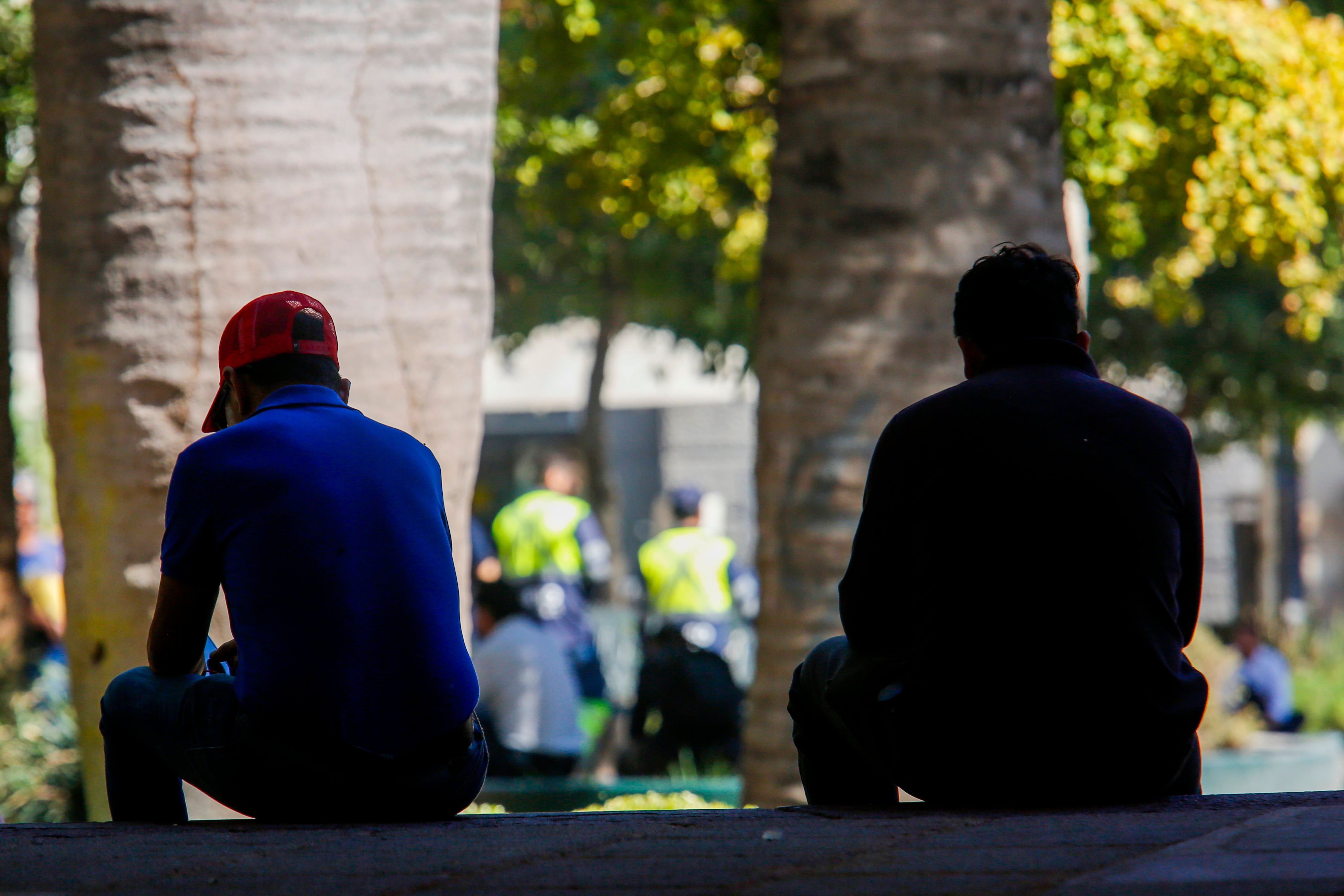
While some in Chile may express satisfaction that the country is not "falling apart," economist Óscar Guillermo Garretón argues that this sentiment is superficial when compared to Venezuela's dramatic collapse. Chile, he contends, is experiencing a slow, piece-by-piece deterioration, a gradual erosion of its national life that has been occurring for years. This slow decline, marked by incremental negative changes, has led to complacency and an easy excuse for mediocrity, particularly for those not directly suffering its consequences.
Garretón points to fifteen years of mediocre economic performance, disproportionately affecting the most vulnerable. The current unemployment rate of 9.4% is the highest in a long time, with higher figures for women (10.4%) and even higher for youth. He attributes this structural unemployment, which growth alone cannot fix, to imprudent policy combinations. Former minister Andrés Velasco is cited for identifying three key measures: a rapid doubling of the minimum wage relative to real wages, the 40-hour workweek law, and increased pension costs.
The article also highlights the detrimental effects of "retirements" from pension funds, which fueled spending euphoria but depleted long-term investment and mortgage credit. This led to decreased investment, reduced housing purchases, and increased inflation due to injected liquidity, with the poor bearing the brunt of these costs. Furthermore, Garretón criticizes the thousands of paralyzing presentations hindering investment projects, costing families prosperity through postponed or canceled jobs. He also decries the obsession with extreme political stances, arguing that stable, profound reforms require broad consensus beyond a mere 25% of the electorate, a lesson learned in the early years of Chile's restored democracy. He warns that continuing with exclusionary logic will lead to further fragmentation and the eventual collapse of dreams for millions.
The author frames Chile's economic and social challenges as a "gradual decline" rather than a sudden collapse, contrasting it with Venezuela's situation. This framing suggests that incremental policy missteps and a lack of broad consensus-building have led to a slow erosion of national well-being, particularly impacting vulnerable populations. The analysis highlights the tension between short-term policy euphoria, such as pension fund "retirements," and their long-term consequences on investment and inflation. The critique of political polarization and the pursuit of extreme ideologies points to a systemic challenge in governance, where a failure to forge stable, inclusive agreements hinders sustainable development. Looking ahead, the author implies that a continued reliance on narrow, exclusionary political strategies risks further societal fragmentation and unmet aspirations, underscoring the need for a more collaborative approach to policy-making in the coming decade.
AI-generated to prompt reflection — not editorial opinion, not advice, not a statement of fact. How this works.