Chile's Health Agenda: Moving Beyond Cancer Alert to Long-Term Reforms
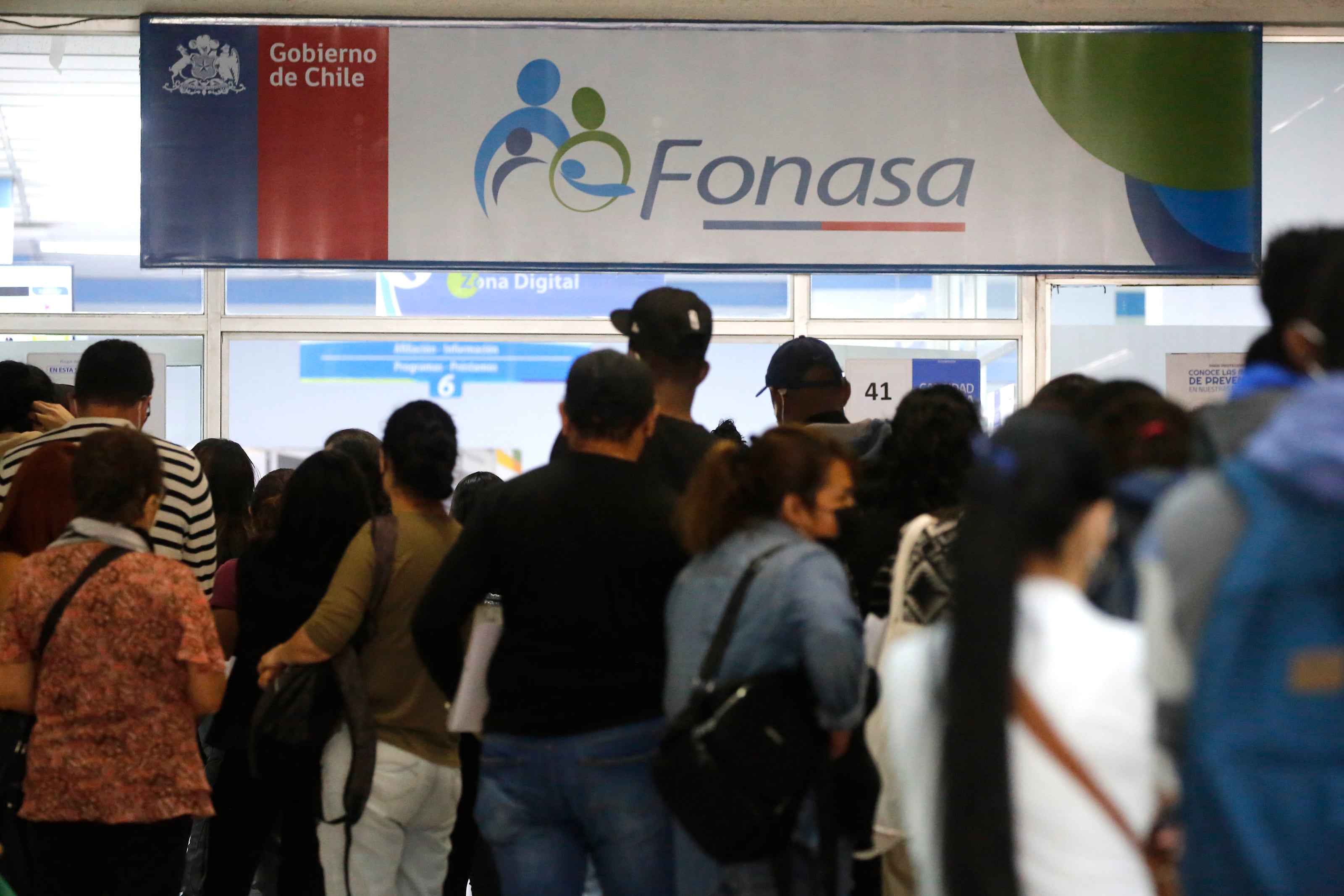
Chile has successfully managed 99.9% of oncology cases following a 90-day alert, a significant achievement that warrants recognition. However, as this emergency subsides, a critical question arises regarding the nation's medium and long-term health agenda. Little is known about the priorities for this new phase, despite the immense challenges facing Chile's healthcare system. The article argues that immediate needs and systemic reforms are inseparable; sustainable solutions require a transformed system capable of timely and permanent care.
Key priorities include consolidating cancer care advancements by strengthening public-private integration and implementing a National Cancer Registry for better planning, prevention, and treatment access. Urgent improvements are needed in primary care to ensure timely referrals to specialized services, addressing systemic delays that impact patient outcomes. Financial protection is also paramount, with a focus on reducing out-of-pocket expenses, expanding coverage for tests and medications, and providing greater certainty on available services.
Ultimately, the piece stresses the necessity of structural reforms. Fonasa, the national health fund, must evolve into a modern insurer capable of efficient purchasing and risk management, while the Isapre private insurance system requires reform to ensure financial stability and eliminate discriminatory practices through risk-pooling mechanisms. The author concludes that citizens expect timely diagnoses, treatments, accessible medications, and financial security, urging a health agenda that blends effective management with fundamental reforms for consistent, reliable healthcare.
The successful management of Chile's oncology alert highlights the potential of targeted interventions, yet it also exposes the underlying systemic fragilities. The transition from emergency response to sustainable healthcare delivery necessitates a strategic re-evaluation of resource allocation and governance structures. The article implicitly points to the tension between reactive crisis management and proactive, long-term system building. Future health policy in Chile, and indeed globally, will likely grapple with balancing immediate patient needs against the imperative for structural reforms that enhance efficiency, equity, and financial sustainability. The challenge lies in designing integrated systems that leverage both public and private capacities, underpinned by robust data infrastructure and adaptable financing models, to meet the evolving demands of an aging population and the increasing burden of chronic diseases within the context of constrained public resources.
AI-generated to prompt reflection — not editorial opinion, not advice, not a statement of fact. How this works.