Chile's housing crisis fuels respiratory illness and energy poverty
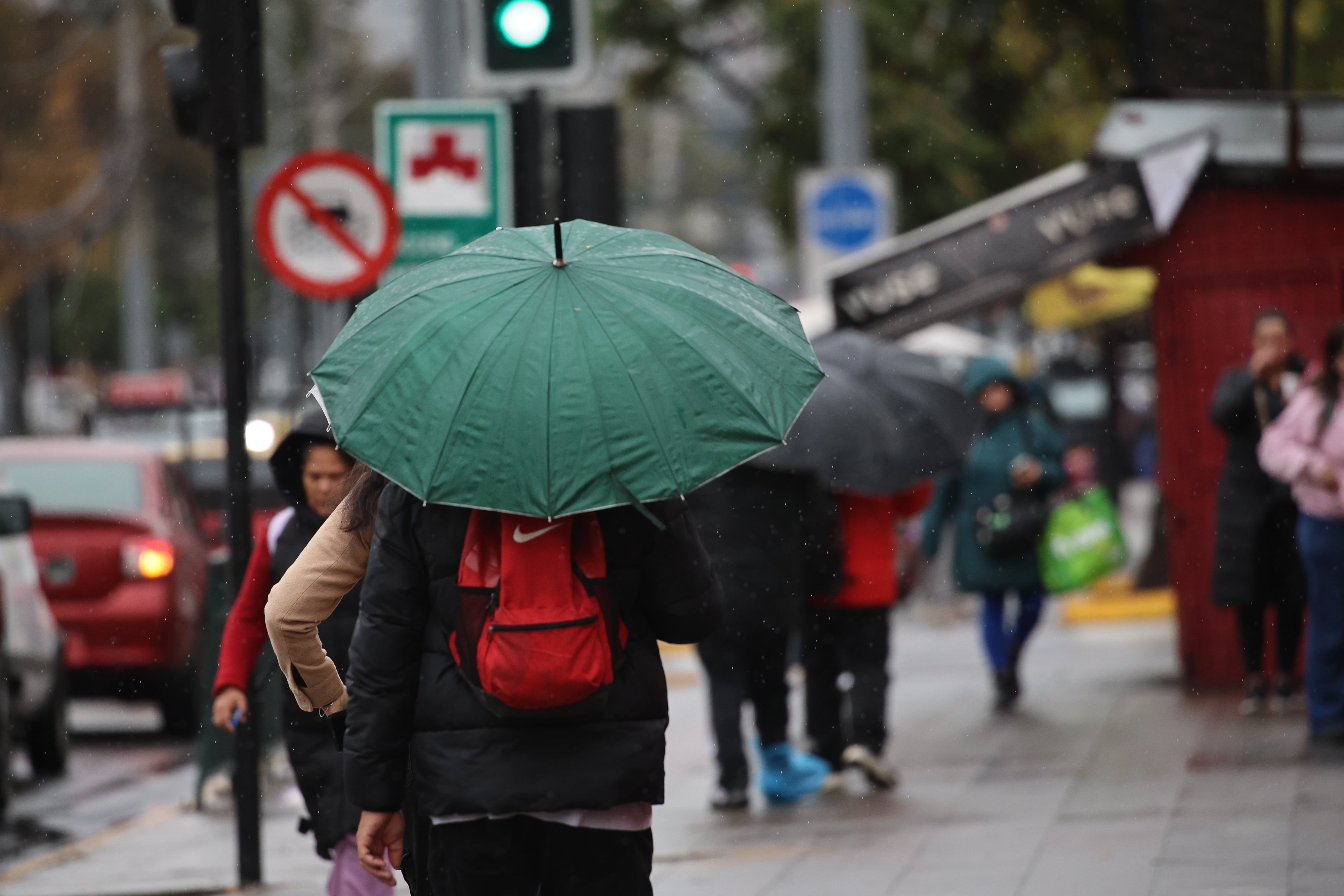
As Chile enters its winter and respiratory season, a critical health factor is being overlooked: the thermal condition of its housing stock. The link between inadequate housing and respiratory health is well-established. Homes with poor insulation maintain low temperatures that harm respiratory pathways, while dampness promotes mold growth exacerbating asthma. Overcrowding concentrates airborne viral particles. International studies have shown that housing density had a stronger statistical correlation with COVID-19 incidence in Santiago's metropolitan area than mobility or population density.
Approximately 70% of Chilean homes, due to their age, were built without proper thermal standards. Monitoring in Santiago, Temuco, and Coyhaique reveals that winter indoor temperatures frequently fall below the World Health Organization's minimum healthy threshold of 18°C. In vulnerable areas of Greater Santiago, average temperatures have been recorded as low as 14.2°C. This situation is compounded by energy poverty, where individuals cannot afford adequate heating without sacrificing other necessities. This creates a dual disadvantage: those in substandard housing face higher health risks and possess fewer resources for treatment.
While Chile updated its Thermal Regulation in 2024, it only applies to new constructions. Over ten million people reside in homes built before 2008, leaving them without regulatory protection. The health of the most vulnerable populations is paid as a recurring cost each winter due to this persistent housing deficit.
This situation highlights a systemic failure in public health policy, where housing infrastructure is a critical determinant of population health outcomes, particularly for vulnerable groups. The disconnect between updated thermal regulations for new construction and the vast existing housing stock built to lower standards creates a persistent health inequity. This issue is exacerbated by energy poverty, creating a feedback loop where poor housing leads to illness, and limited resources prevent adequate treatment or home improvements. Looking ahead, addressing the thermal performance of the existing housing stock is crucial for mitigating future public health crises, reducing healthcare burdens, and ensuring equitable living conditions in the face of climate change and evolving public health challenges.
AI-generated to prompt reflection — not editorial opinion, not advice, not a statement of fact. How this works.