Chile's Kast Administration Faces Governance Challenges Amidst Lack of Formal Coalition
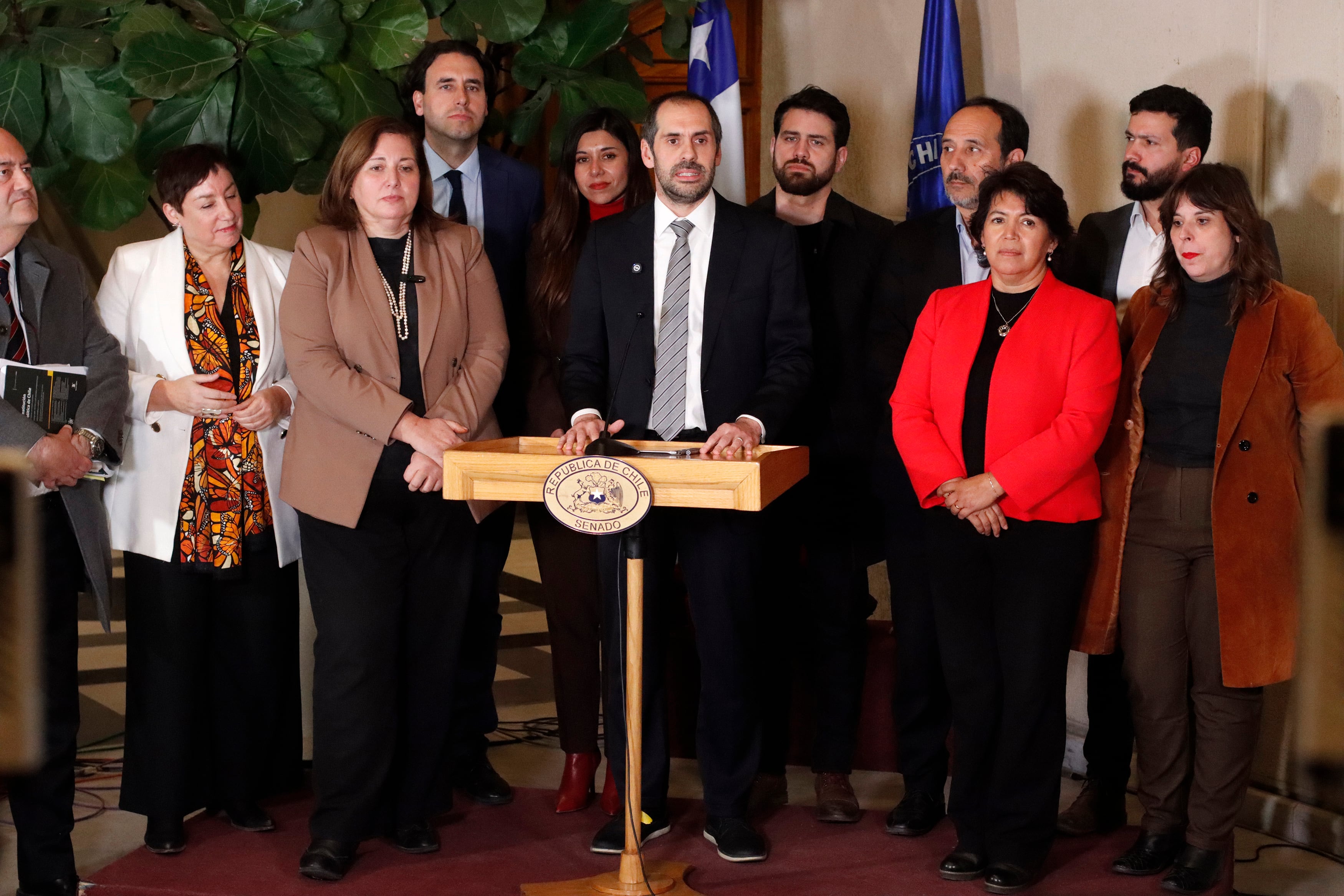
Chile's current administration, led by President Kast, is making history by being the first government to operate without a formal coalition. This contrasts with the previous administration of Gabriel Boric, which was the first to have two governing coalitions, with the Socialismo Democrático joining the cabinet after the 'rejection' vote in September 2022. The current government's political weakness is attributed to this absence of a unified coalition, characterized by a lack of shared trajectory and identity. This was evident during the recent constitutional accusation against former minister Grau. The initiative was led by the Partido Nacional Libertario, an external political force, and supported by the Partido Republicano, President Kast's own party. However, Chile Vamos, a key component of the government and the party of two cabinet ministers, did not broadly support the accusation. This resulted in a situation where the accusation against Grau was supported by the President's party and a 'friendly opposition' force, but ultimately failed due to opposition from parties whose ministers are part of the political cabinet. President Kast himself acknowledged the issue of coalition building this week, suggesting that while the absence of a coalition might not be immediately critical if the government's agenda focuses on 'emergencies,' this short-term approach is unsustainable for a four-year term. Without a clear replacement agenda and a defined political identity, the government lacks a long-term vision. While numerous emergencies exist, including economic recession and labor market deterioration, these do not substitute for the necessary political foundation for a government's survival. Winning a presidential election without a coalition is possible as an opposition candidate, but maintaining governmental continuity without one is significantly more challenging.
The governance structure of the current Chilean administration, operating without a formal coalition, presents a significant challenge to policy implementation and political stability. The reliance on a fragmented group of parties, rather than a cohesive political bloc, creates inherent difficulties in achieving legislative consensus and maintaining party discipline, as demonstrated by the recent constitutional accusation against ex-minister Grau. This dynamic suggests a potential disconnect between the executive's objectives and the political support mechanisms required to achieve them. Moving forward, the administration must address the systemic need for a unified political base to navigate the complex domestic and economic challenges ahead, particularly as short-term emergency measures are insufficient for sustained governance. The long-term viability of this administration may hinge on its ability to foster a shared political identity and strategic agenda beyond immediate crises, aligning with the evolving demands of the digital age and societal expectations for coherent leadership.
AI-generated to prompt reflection — not editorial opinion, not advice, not a statement of fact. How this works.