Chile's Lithium Exports Soar, But Production Lags Due to Inefficient Policy
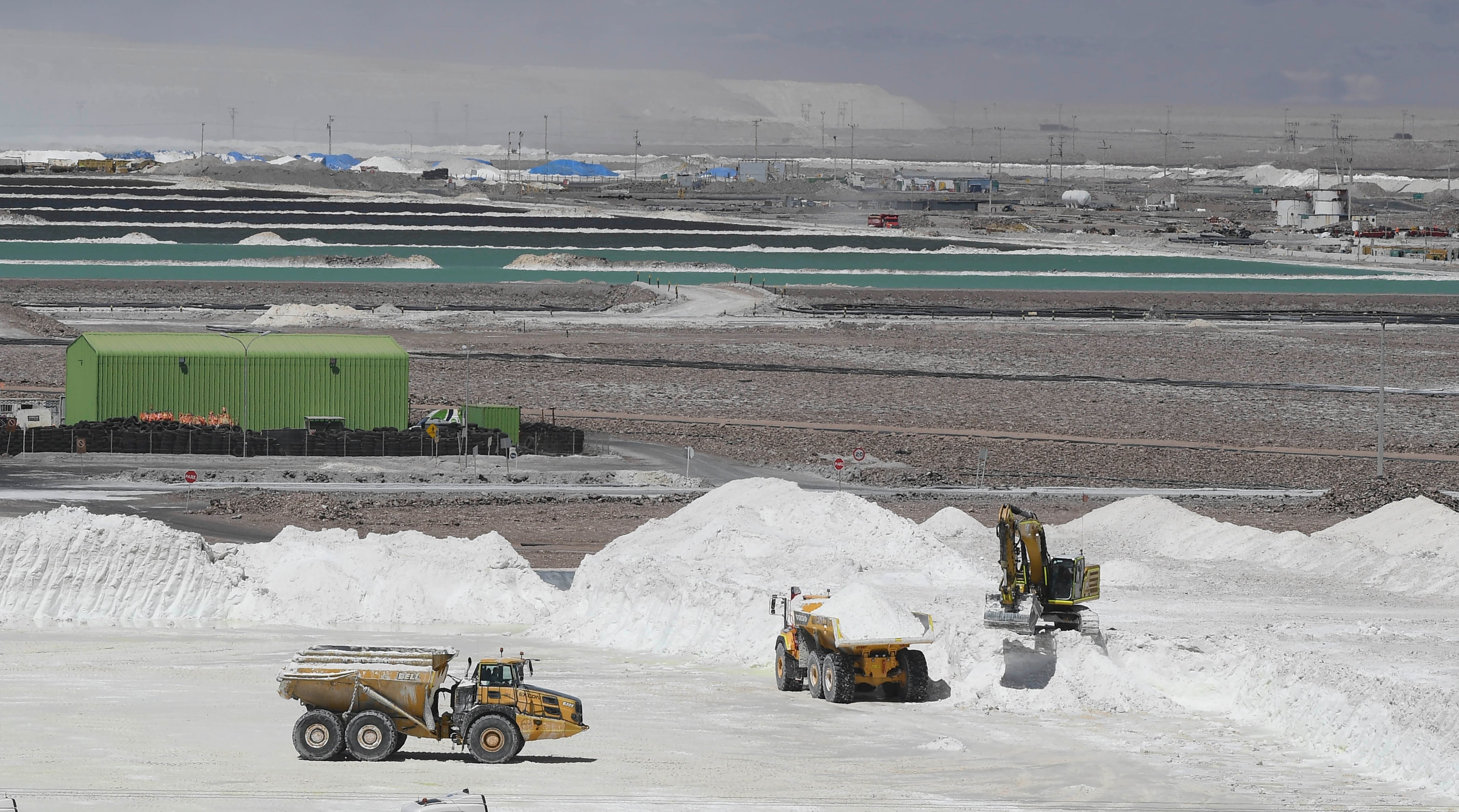
Chile achieved remarkable lithium export revenues of US$3.218 billion in the first half of 2026, nearly tripling the previous year's returns and surpassing the entire 2025 total within six months. However, this entire revenue stream originates solely from the Salar de Atacama, where two private companies operate under leased mining concessions from Corfo, not through the new Special Lithium Operating Contracts (CEOL) regime. No lithium has been produced under Chile's National Lithium Strategy to date.
In contrast, Argentina is actively developing its lithium sector. Rio Tinto has invested US$2.5 billion in its Rincón project in Salta, with construction underway since 2025 and production anticipated by 2028. Chile's Salares Altoandinos project, a partnership with Enami and Rio Tinto, faces significant delays under the CEOL framework, which allows up to 12 years for exploration and an additional seven for construction, with no capital deployed yet and production not expected before 2032. This disparity highlights Chile's reliance on signing contracts while Argentina focuses on production and export.
The core issue is the structural weakness of the CEOL system, which is institutionally fragile and lacks clarity on how it interacts with existing mining concession regimes. This uncertainty has led leading companies from China, South Korea, and Japan to shift their investment interest towards Argentina, perceiving greater certainty there. While Chile remains dependent on its two existing producers, Argentina has attracted major players like Ganfeng, Lithium Argentina, Zijin, Eramet, and Posco. The lack of new lithium plant production in Chile indicates the current strategy has been ineffective.
With lithium carbonate prices at their highest since December 2023, every unproduced ton represents lost fiscal revenue crucial for public services. The country urgently needs responsible and competitive lithium governance, mirroring successful models in other critical mineral-producing nations that utilize specialized, autonomous technical bodies to expedite processes and foster business synergies. Chile must signal market confidence by integrating mining concessions into CEOL awards and ensuring CEOLs are granted only to experienced operators with binding investment commitments and strict, enforceable deadlines. A CEOL without deployed capital is merely symbolic.
The Chilean government's lithium strategy, while aiming to expand production, appears to be hampered by regulatory complexities and lengthy timelines associated with the new CEOL framework. The contrast with Argentina's more rapid development suggests that Chile's approach may be creating investor uncertainty, diverting capital and expertise to competitor nations. Future policy should focus on streamlining processes, clarifying legal overlaps between concession and CEOL regimes, and ensuring that contracts translate into tangible investment and production within reasonable timeframes. Aligning operational realities with policy design is crucial for Chile to capitalize on its significant lithium resources and maintain its competitive edge in the global market over the next decade, especially as demand for critical minerals intensifies.
AI-generated to prompt reflection — not editorial opinion, not advice, not a statement of fact. How this works.