Chile's Medical Leave Fraud: Progress and Persistent Gaps
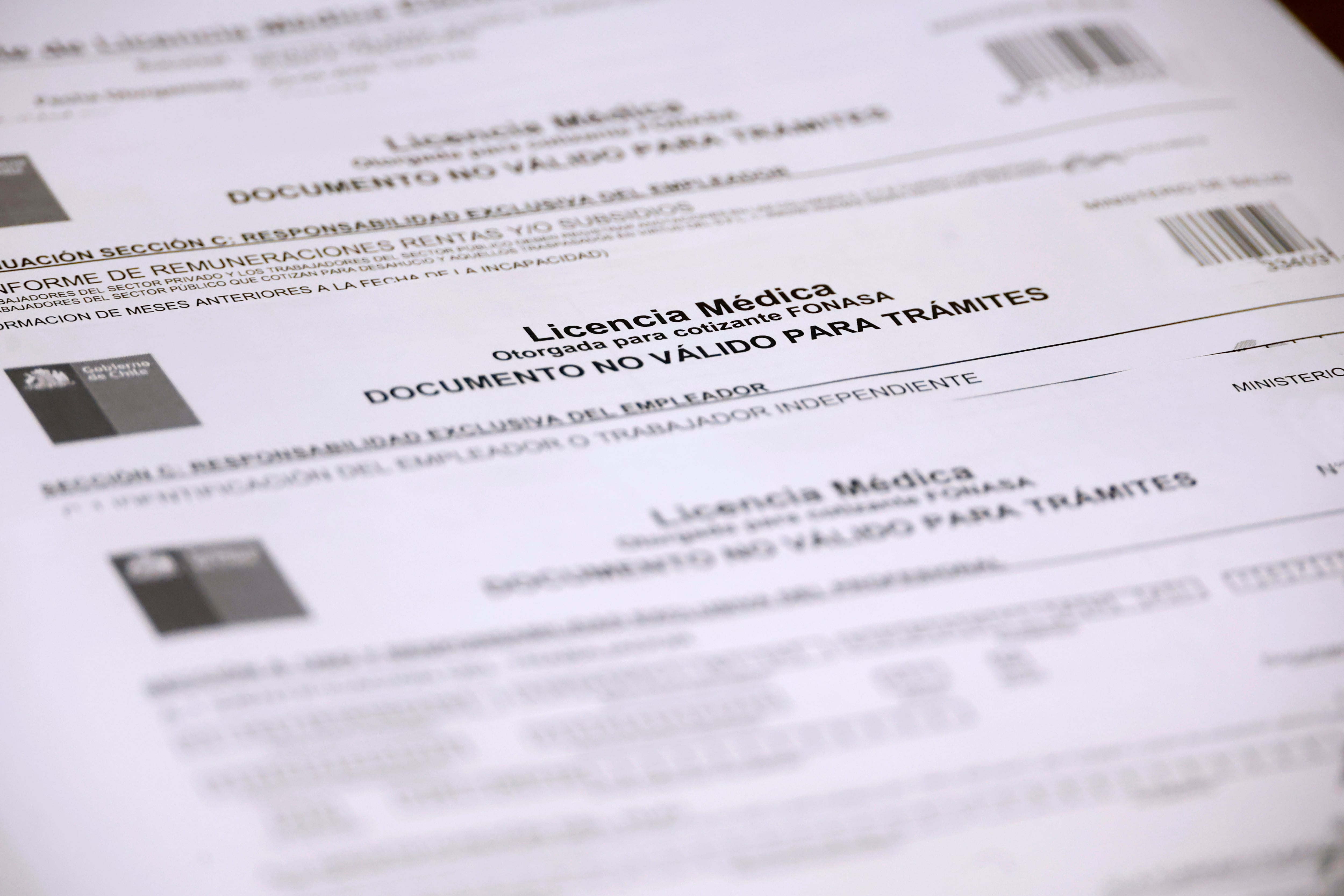
Over a year after a scandal involving fraudulent medical licenses, Chile's state response has shown positive but incomplete results, focusing more on correction than structural reform. Between May 2025 and May 2026, the issuance of medical licenses decreased by 13%, leading to an approximate fiscal saving of $586 billion. This reduction is attributed to enhanced information exchange between Suseso, Compin, and Fonasa, as recommended by the Comptroller General, and the implementation of new data analysis mechanisms to identify anomalous patterns and block irregular issuers. Despite these measures, Suseso's ninth oversight report revealed that over 15,700 workers were found to be performing paid labor while on medical leave during 2024 and 2025, with commitments to report these cases to the Public Prosecutor's Office. The disciplinary actions show a stark contrast: only 262 public officials have been sanctioned and dismissed out of more than 30,000 investigated. In criminal proceedings, progress remains slow due to the need to differentiate between administrative non-compliance and criminal conduct, which requires high evidentiary standards. The fraud impacts more than just one institution, as subsidies are funded by contributions and fiscal resources, ultimately burdening employers, workers, and the state. The author questions when the country will transition from a corrective model to a truly preventive one that detects irregularities before harm occurs, urging the Legislative Power not to ignore the issue. The piece is signed by Javier Soto Solís, an Academic of Law at UNAB.
Chile's efforts to curb medical license fraud demonstrate a reactive approach, prioritizing the correction of identified abuses over systemic prevention. While enhanced data sharing and anomaly detection have yielded measurable fiscal savings and reduced license issuance, the persistent detection of workers engaging in paid activities while on leave, coupled with low disciplinary sanctions for officials, highlights significant enforcement gaps. The slow pace of criminal proceedings underscores the challenge of distinguishing administrative lapses from criminal intent within complex legal frameworks. The financial burden of these subsidies, ultimately borne by taxpayers and contributing entities, suggests an ongoing incentive for fraudulent claims. Moving forward, a crucial systemic challenge lies in developing proactive mechanisms that anticipate and neutralize fraudulent schemes before they materialize, requiring a legislative and institutional commitment to structural reform rather than incremental adjustments.
AI-generated to prompt reflection — not editorial opinion, not advice, not a statement of fact. How this works.