Chile's 'Megareform' Tax Stability Clause Faces Constitutional Challenge
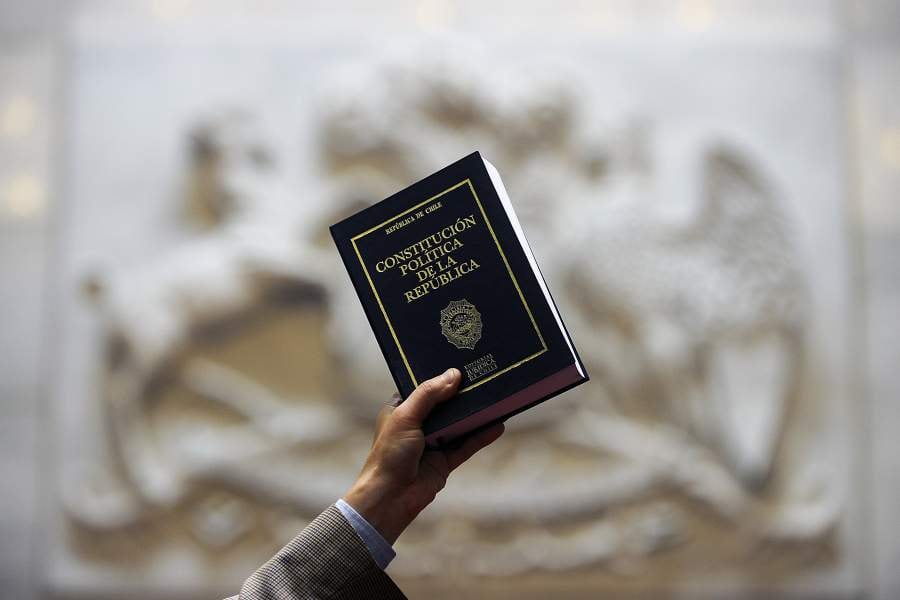
A proposed 'megareform' bill in Chile includes Article 33, which establishes a tax stability regime for certain investors. This regime would be formalized through contracts signed by the Executive branch, bypassing congressional intervention and preventing the next five legislatures from altering the tax statute. The core legal question is whether the legislative branch can bind future legislatures in this manner, as it appears to contradict express constitutional attributions. The article is argued to infringe upon the Constitution because the legislative power to approve, review, and repeal laws is constitutionally established, and an ordinary law cannot contravene fundamental regulations.
A recurring argument in favor of the clause's constitutionality references a similar provision in the repealed DL No. 600, which was not previously challenged. However, this argument is considered weak because the 1974 decree was enacted during a dictatorship without constitutional review and was not examined by the Constitutional Tribunal (TC) during its validity. Furthermore, the lack of a prior constitutional challenge does not legitimize a potentially unconstitutional provision.
The fundamental issue is that Article 33 appears to limit the legislative branch's own competency to legislate on tax matters, committing future legislative exercise in favor of private actors. If approved as is, the tax stability regime should be declared unconstitutional by the TC. The article also potentially infringes the Constitution by imposing onerous conditions on legislative power, such as significant indemnities for legislative changes, which could implicitly alienate legislative sovereignty. The author, Domingo Lovera, argues that constitutional review should preserve legislative powers, and in this case, it requires declaring the article unconstitutional to prevent the Legislative branch from being unduly constrained in the future, thereby upholding the democratic principle.
The proposed tax stability clause in Chile's 'megareform' bill raises significant questions about the separation of powers and the enduring authority of legislative bodies. By seeking to contractually bind future legislatures to a specific tax regime for five years, the Executive branch appears to encroach upon the inherent power of the Legislative branch to legislate and amend laws as it deems fit. This mechanism, if enacted, could establish a precedent where private agreements with the Executive effectively pre-empt future democratic deliberation and legislative action, potentially weakening the principle of legislative sovereignty. The constitutional challenge hinges on whether an ordinary law, or executive contracts derived from it, can override the fundamental, constitutionally enshrined powers of the legislature, particularly concerning fiscal matters. The long-term implications could involve a gradual erosion of legislative oversight and accountability, shifting significant policy-making power away from elected representatives towards contractual arrangements with private entities.
AI-generated to prompt reflection — not editorial opinion, not advice, not a statement of fact. How this works.