Chile's National Reconstruction Law: Hasty Reform or Improvisation?
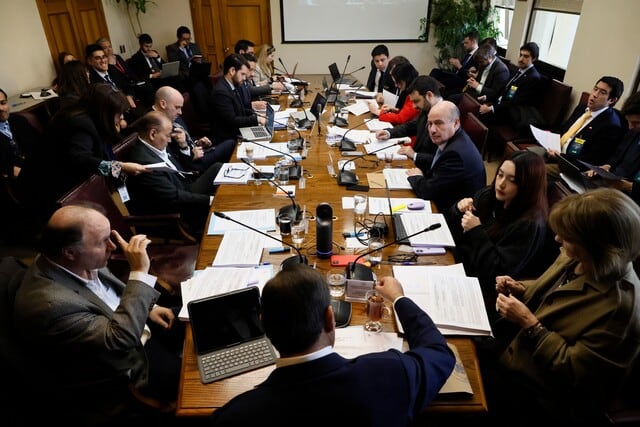
The legislative process for Chile's National Reconstruction Law has been criticized for executive improvisation and a rushed parliamentary debate, deemed incompatible with the gravity of the issues addressed. Substantive government amendments were introduced at the last minute, leaving the Senate's Environment Committee with only a few hours for review. This prevented thorough technical, legal, and democratic analysis of regulations that will have lasting impacts on the country's environmental heritage and institutions.
The rushed process led to a high-pressure vote on sensitive matters, including the relocation of salmon farming concessions into protected areas without management plans, changes to environmental institutions, and the introduction of compensation for companies when an Environmental Qualification Resolution is overturned by the judiciary. Critics argue these measures weaken control mechanisms, prioritize private interests over public good, and could shift the costs of poor environmental decisions onto the public. While Chile requires rules for development certainty, it also needs guarantees for communities, ecosystems, and sustainable growth. The bill is still proceeding through the Senate, offering a chance to revise these provisions and ensure legislation is based on evidence, participation, and effective protection of natural heritage.
The expedited legislative process for Chile's National Reconstruction Law, particularly regarding environmental regulations, raises questions about the balance between development needs and robust institutional oversight. The inclusion of provisions that could facilitate private interests, such as relocating salmon concessions or providing compensation for annulled environmental resolutions, may create systemic incentives that de-prioritize long-term ecological sustainability and public interest in favor of short-term economic gains. Future legislative frameworks should prioritize transparent, evidence-based deliberation to ensure that policy decisions are resilient to short-term pressures and align with national commitments to environmental protection and sustainable development, particularly in the context of increasing global scrutiny on resource management and climate impact.
AI-generated to prompt reflection — not editorial opinion, not advice, not a statement of fact. How this works.