Chile's Opposition Lacks Republican Vision, Hindering National Progress
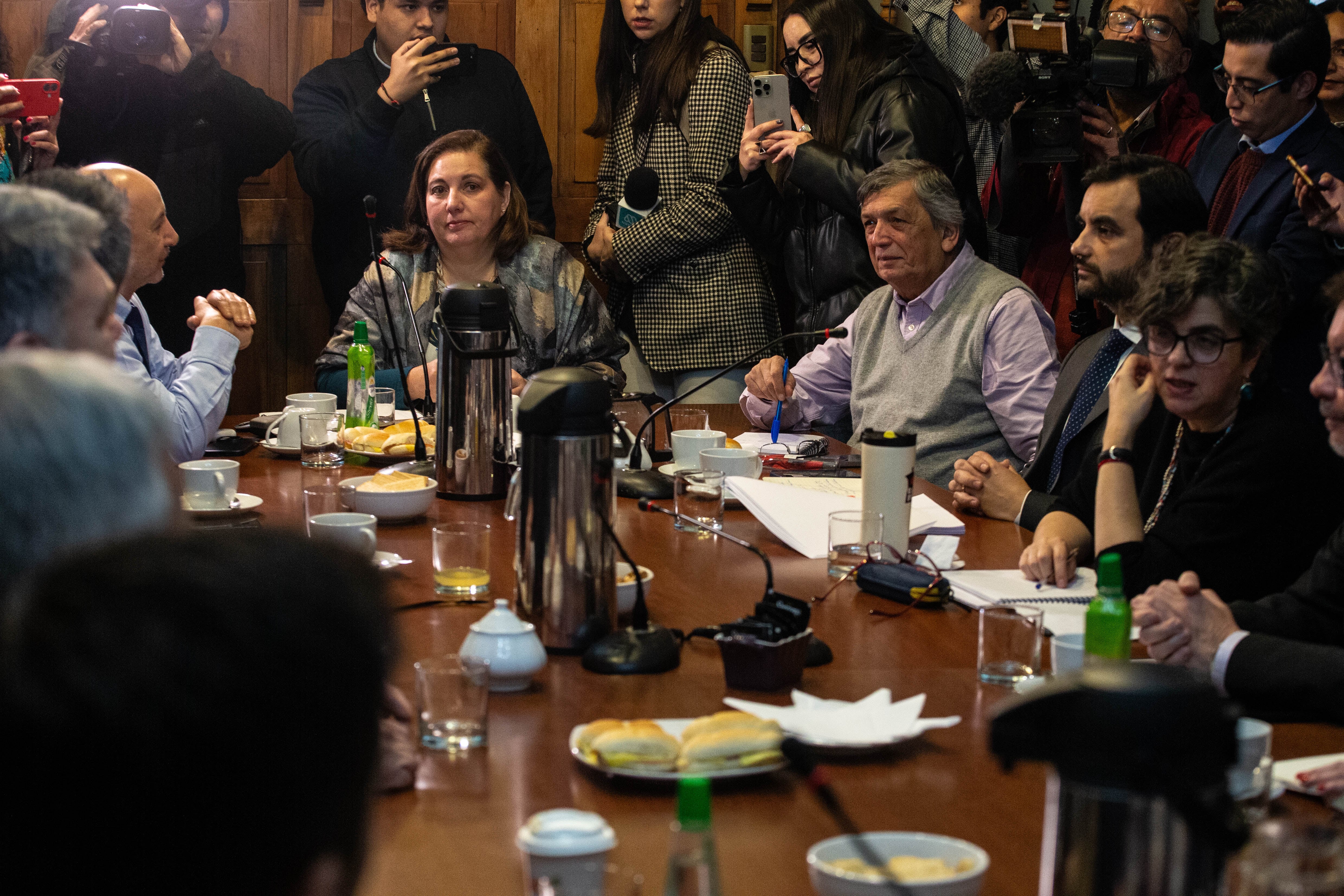
The author criticizes Chile's current opposition, contrasting it unfavorably with a Portuguese opposition leader's call for unity during a crisis in 2020. While Chile faced its own extraordinary circumstances with the pandemic, its opposition has failed to rise to the occasion, exhibiting a lack of republican responsibility. The progressive left, in particular, is described as fragmented and ineffective following recent constitutional and presidential defeats. Parties like the PS are embroiled in internal disputes, the PPD is seen as contradicting its own leadership and decisions, and the FA is preoccupied with internal identity debates rather than acknowledging the realities of their past governance. A common thread among these groups is a strong rhetoric against the "far-right" and "super-rich collusion," yet they are criticized for being adept at criticism but lacking coherent policy proposals for pressing national issues. The author argues that the opposition has not reflected on the outcomes of its previously championed reforms, such as educational changes, nor has it reconciled the contradictions between campaign promises and actual governing decisions. Instead, their discourse relies on warnings about "fake news," "civilizational setbacks," and opposition to the "far-right." A functional government requires an opposition that challenges policies with counter-proposals, represents its constituents' ideas, and provides effective oversight. Chile's current opposition, however, is characterized as fragmented, led by ineffective figures, and lacking its own agenda, creating a political vacuum that could be filled by other forces.
The author's critique highlights a potential systemic vulnerability in representative democracies: the absence of a cohesive and constructive opposition can weaken governmental accountability and hinder policy development. When opposition parties prioritize internal disputes or ideological posturing over substantive policy engagement and citizen representation, they risk ceding political ground and failing to fulfill their crucial role in the democratic process. This dynamic can create a vacuum, potentially leading to the rise of less deliberative political forces. In the context of Chile, the author suggests that the current fragmentation of the progressive opposition, coupled with a perceived lack of self-reflection on past policy impacts, presents a significant challenge. Moving forward, fostering an environment where opposition parties can engage in constructive debate, offer viable alternatives, and effectively scrutinize government actions will be critical for strengthening democratic institutions and ensuring that diverse public interests are adequately represented and addressed.
AI-generated to prompt reflection — not editorial opinion, not advice, not a statement of fact. How this works.