Chile's Opposition Lacks Substance, Mimicking UK's 'Shadow Cabinet' Model
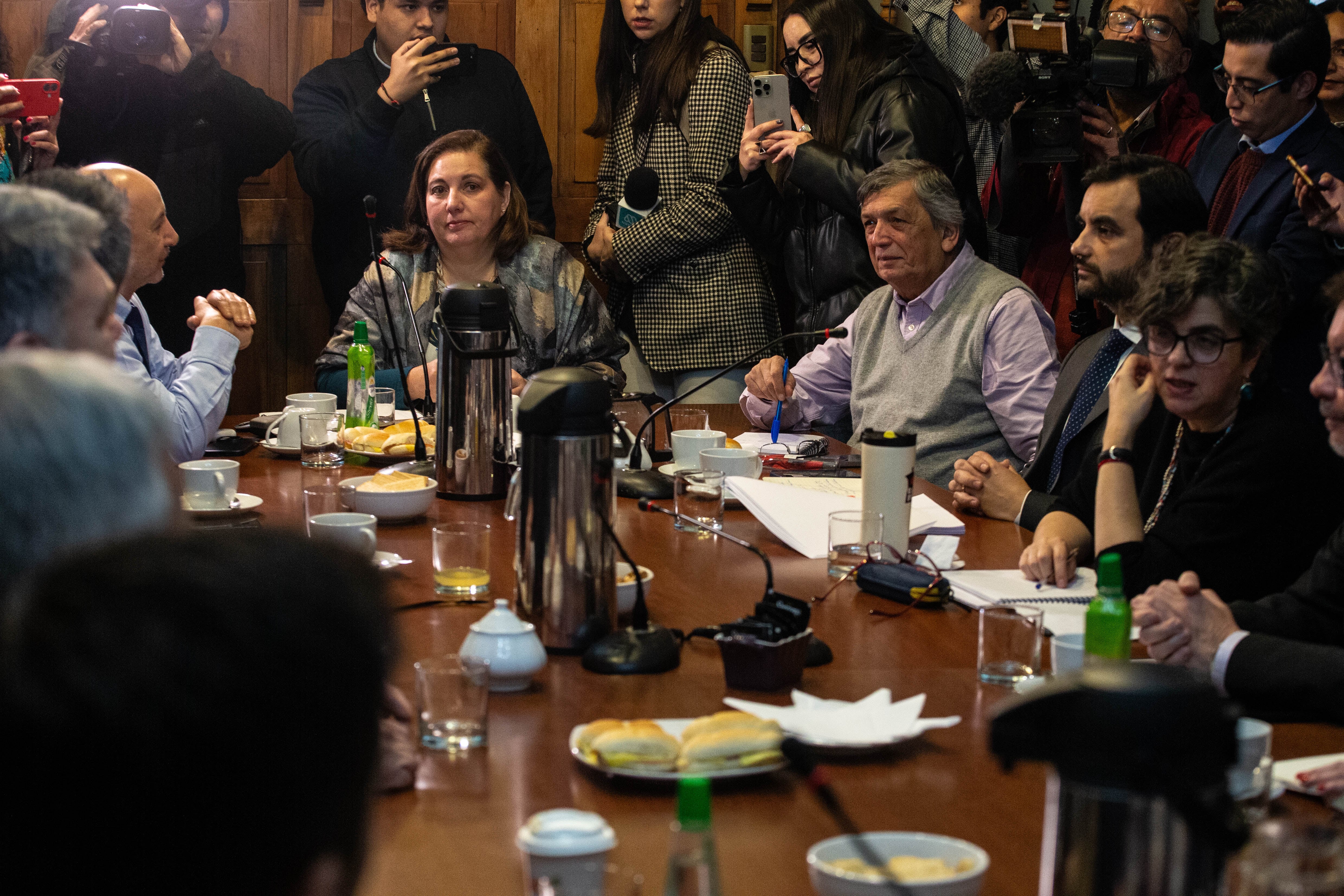
The article criticizes the current state of Chile's political opposition, contrasting it unfavorably with the United Kingdom's "Shadow Cabinet" tradition. In the UK, the main opposition party forms a parallel cabinet, with ministers studying policy areas and preparing to govern, focusing on offering quality alternatives rather than just obstruction. Chile's opposition, however, is described as offering only a "wall of objections" and a "lamentable lack of ideas."
Despite a recent presidential election showing convergence on declared objectives, such as economic growth and tax adjustments for SMEs, the opposition has refused to engage in discussions on significant reforms like the "Megarreforma." The author suggests two possible explanations for this: intellectual deficiency, stemming from a lack of conviction in socialist economic ideas that have historically failed, or a more concerning strategic choice where the opposition prioritizes regaining power over the country's success, even if it means benefiting from the government's failure.
Former minister Grau is cited as an attempt at a "shadow minister," but his critique of the Megarreforma lacked alternative proposals, falling into the same pattern of unproductive opposition. The piece concludes by emphasizing Chile's need for a proactive, intelligent, and responsible opposition that engages in the difficult work of developing viable alternatives, rather than merely criticizing, to foster the country's future and its own aspirations.
The article highlights a systemic challenge in political opposition, contrasting the UK's constructive "Shadow Cabinet" model with Chile's perceived obstructionism. This dynamic suggests a potential disconnect between the incentives driving political actors and the public good. If opposition parties prioritize short-term electoral gains through obstruction over long-term policy development, it can lead to legislative gridlock and a deficit of viable governance alternatives. This behavior may stem from a rational calculation that negative campaigning and highlighting government failures can be more electorally effective than proposing complex, potentially unpopular solutions. However, this approach risks undermining democratic institutions and national progress, especially in the face of complex global challenges that require considered, forward-looking policy. The Chilean context, as described, points to a critical juncture where the efficacy of opposition strategies needs re-evaluation to ensure they contribute to, rather than detract from, the nation's development and future stability.
AI-generated to prompt reflection — not editorial opinion, not advice, not a statement of fact. How this works.