Chile's Political Landscape: A Crisis of Hope and the Path Forward
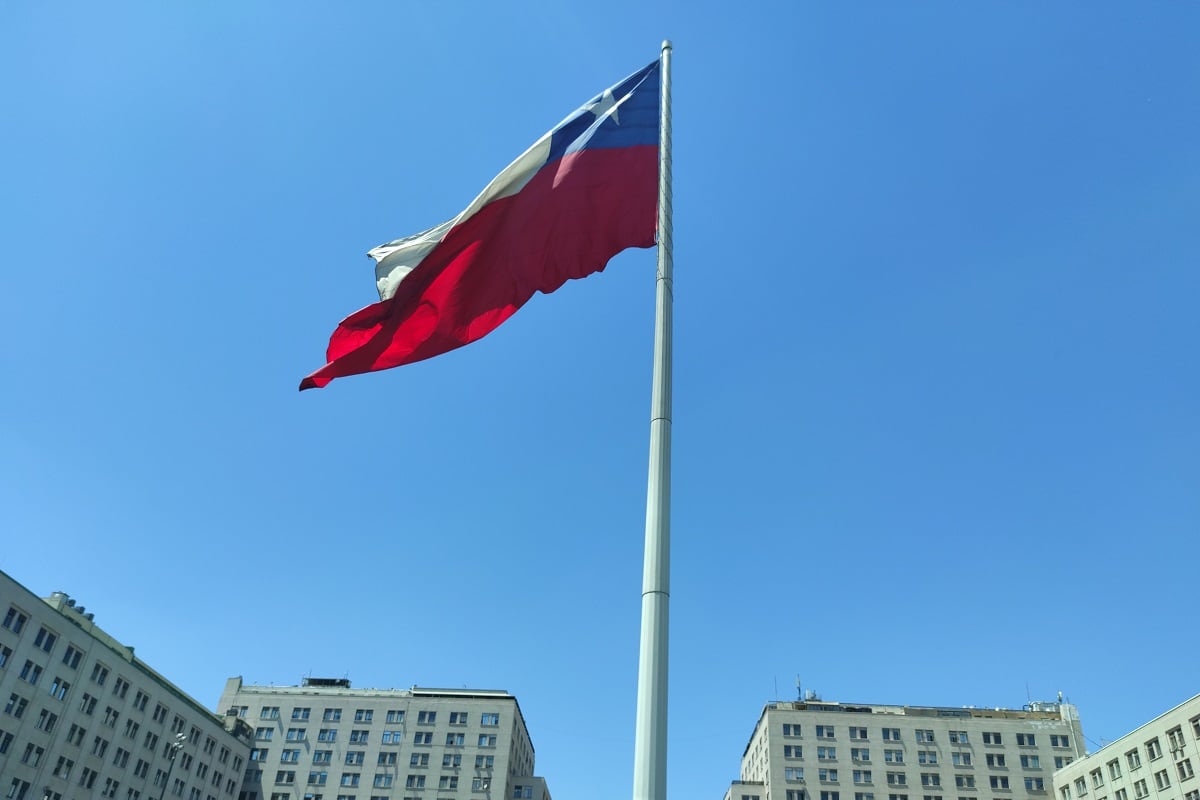
Chile is currently experiencing a significant deficit of hope in the future, a stark contrast to historical periods that fueled mass enthusiasm and societal progress. The author, economist Óscar Guillermo Garretón, recalls how movements like the Popular Unity (UP) in the 1970s and the return to democracy in 1988, which promised "growth with equity," were powered by a collective belief in a better tomorrow. These past eras were characterized by optimism, inspired by global events such as decolonization and advancements in space exploration. Today, however, both the Chilean left and right are failing to inspire this essential optimism. The left, according to Garretón, is characterized by a narrative of decline, focusing on environmental destruction and the perceived failures of "neoliberalism" without offering viable solutions, leading them to become "militants of despair." They are criticized for promoting contradictory ideas, such as supporting small businesses while rejecting large corporations, and for the lack of successful socialist revolutions globally. The right, led by figures like Kast, has also struggled, facing public disapproval early in its term due to issues like fuel price hikes and public order concerns. The current administration faces challenges in building broad social and political consensus, which is crucial for stability and progress. Consumer confidence in Chile's future has deteriorated, highlighting the urgency of rebuilding hope. Garretón suggests that rebuilding hope requires tangible progress: economic prosperity, enhanced social protection, and improved public safety and order. Furthermore, he emphasizes that political actors must embrace democracy as a system of consensus-building, requiring collaboration between the ruling party and the opposition. Failure to cooperate, he warns, will lead to the downfall of both sides, perpetuating a cycle of despair.
The current political climate in Chile reflects a widespread disillusionment, stemming from a perceived lack of tangible progress and effective governance across the political spectrum. Both the left and the right appear to be struggling to articulate a compelling vision for the future that resonates with the populace, contributing to a deficit in collective optimism. This situation highlights a systemic challenge in political leadership: the necessity of translating policy into demonstrable improvements in citizens' daily lives, encompassing economic well-being, social security, and public safety. The author's emphasis on consensus-building underscores the fragility of democratic systems when partisan divides prevent collaborative problem-solving. Looking ahead, the ability of Chilean political actors to foster genuine hope will depend on their capacity to move beyond ideological rhetoric and deliver concrete, widely felt benefits, thereby rebuilding trust and demonstrating a shared commitment to a prosperous and secure future for all citizens.
AI-generated to prompt reflection — not editorial opinion, not advice, not a statement of fact. How this works.