Chile's President Kast Faces Mounting Economic and Political Pressures
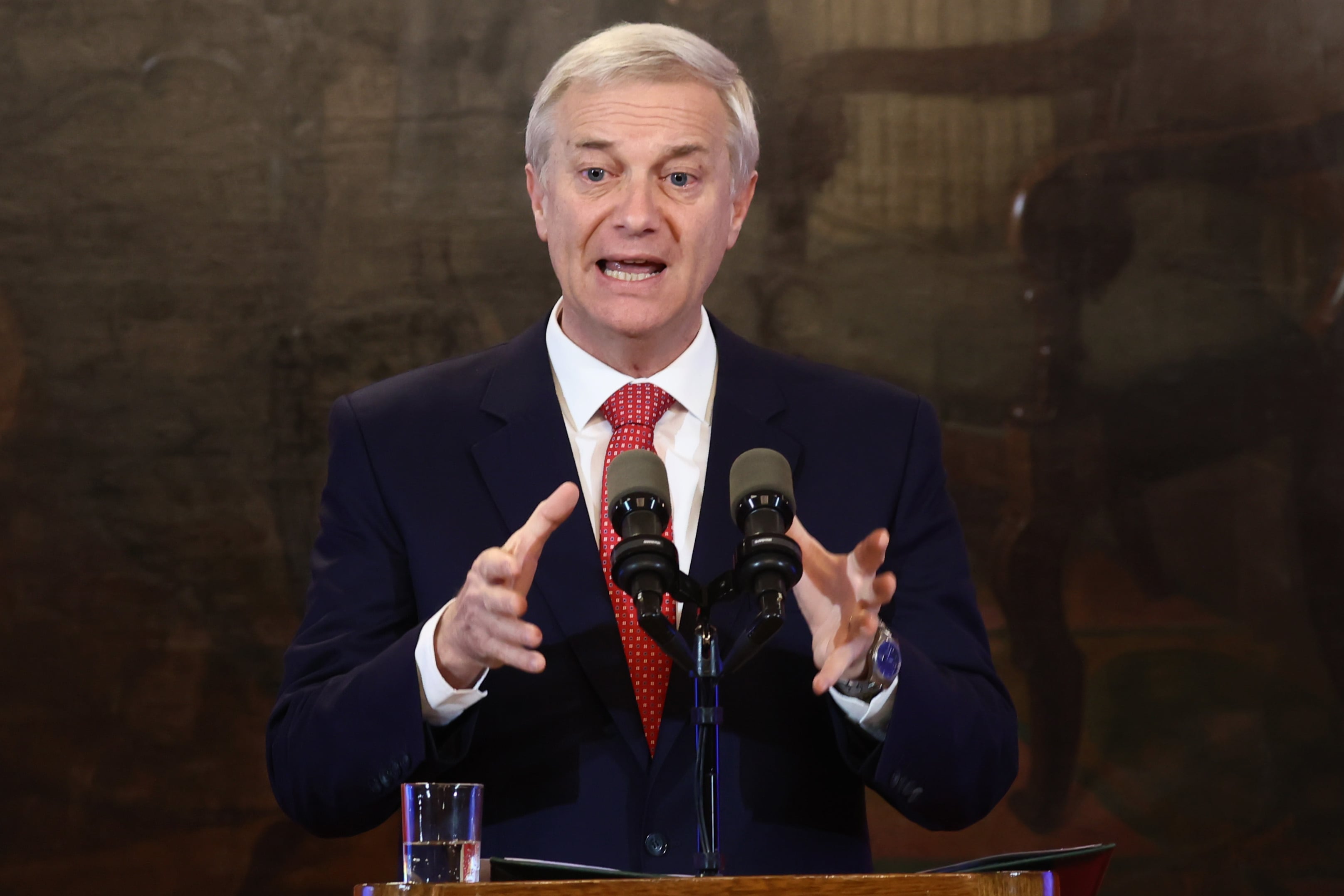
Chilean President José Antonio Kast's administration is under significant pressure from both economic headwinds and internal political divisions. The economy is on the brink of a technical recession, with production contracting for nearly six months, largely due to poor performance in copper mining. Consumer spending has weakened, and unemployment is rising again after a period of stability. While inflation has slightly eased, the cost of living remains a major concern for the public, fueling calls for the Central Bank to lower interest rates, a move that could create friction with the Ministry of Finance.
Unlike during the 2008-2009 recession, when Chile had substantial fiscal savings to combat the downturn, the current government lacks such reserves. Minister Quiroz cannot rely on a large debt-funded stimulus package, as fiscal accounts are depleted and further borrowing would require congressional approval, potentially jeopardizing the government's major reform agenda. This scarcity of resources and time amplifies the political stakes, increasing the likelihood of populist measures and governmental concessions.
Compounding these challenges are deep rifts within the ruling coalition. The government's poor performance in a recent constitutional accusation against former minister Nicolás Grau has left its allies demoralized and angry. President Kast's attempt to unify disparate right-wing factions, including the Republican Party and libertarians, has faltered, with some groups distancing themselves. This internal discord weakens the government's ability to pass legislation and govern effectively, creating a volatile political environment where disagreements could escalate into more drastic political realignments.
The current administration in Chile faces a critical juncture where economic contraction and political fragmentation intersect. The government's limited fiscal space, a stark contrast to past crises, necessitates innovative policy approaches beyond traditional stimulus measures. The challenge lies in navigating demands for immediate relief against the imperative of long-term fiscal sustainability and structural reform. Internally, the coalition's disunity presents a governance hurdle, potentially hindering legislative progress and creating public perception of instability. Future success will likely depend on the administration's capacity to forge consensus among diverse political actors and implement reforms that address both immediate economic concerns and underlying structural issues, all within a compressed timeframe.
AI-generated to prompt reflection — not editorial opinion, not advice, not a statement of fact. How this works.