Chile's Public Transport Investment Undervalued Due to Low Urban Densification
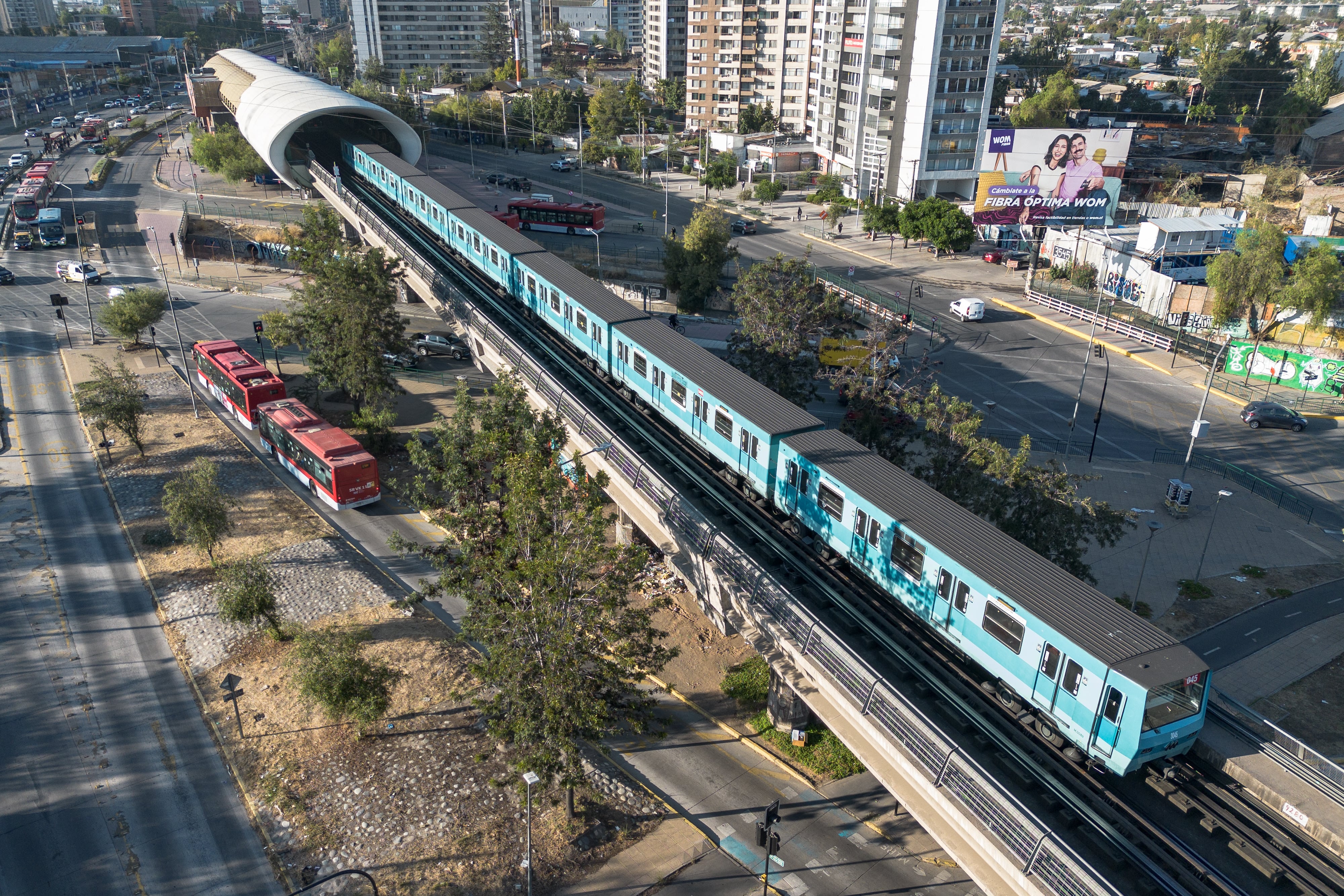
Chile is investing millions of dollars in public transportation infrastructure, including metro lines, bus lanes, and train stations, aiming to reduce car usage. However, this costly infrastructure, funded by taxpayers, is often underutilized. For instance, a kilometer of metro line costs approximately $100 million, yet around 47% of the occupied residential area near stations features buildings of five stories or fewer, according to studies by AGS Barómetro Normativo and Colliers. A sustainable city should plan land use to increase density around public transport services to maximize the benefits of these public investments. This access should be equitable, requiring municipalities to accommodate more residents and avoid exclusionary practices. It is illogical for municipalities with good infrastructure to implement zoning restrictions that prevent new citizens from living there and accessing these services. The city should be viewed as an interconnected system, suggesting the need for a higher authority to set overarching regulations for the benefit of all citizens. A potential measure involves enhancing the authority of the National Council for Urban Development (formerly National Council for Territorial Development) so that its urban planning policies become binding regulations for the country, superseding municipal zoning plans. Many current municipal plans fail to achieve balanced densification, particularly near transport corridors, which is crucial for Chile's social and demographic distribution. Economist Edward Glaeser emphasizes that cities are optimal living environments, but this requires harmonizing land use with equitable densification as a shared necessity. Restrictive zoning leads to housing scarcity in desirable locations, driving up property values and diminishing the social return on infrastructure investments.
The significant public investment in transportation infrastructure in Chile presents a clear case of suboptimal returns due to a disconnect in urban planning. The current regulatory environment, which allows municipal plans to impede densification around transit hubs, creates an artificial scarcity of housing in well-serviced areas. This not only underutilizes public assets but also exacerbates housing affordability issues and social segregation. Moving forward, a more integrated and authoritative urban planning framework is essential. This framework should prioritize balanced densification as a public good, ensuring that infrastructure investments yield maximum social and economic benefits. By aligning zoning regulations with the strategic placement of public transport, Chile can foster more sustainable, equitable, and efficient urban development, better preparing its cities for future demographic and technological shifts.
AI-generated to prompt reflection — not editorial opinion, not advice, not a statement of fact. How this works.