Chile's Reconstruction Law Signals Return of Economic Growth to Public Debate
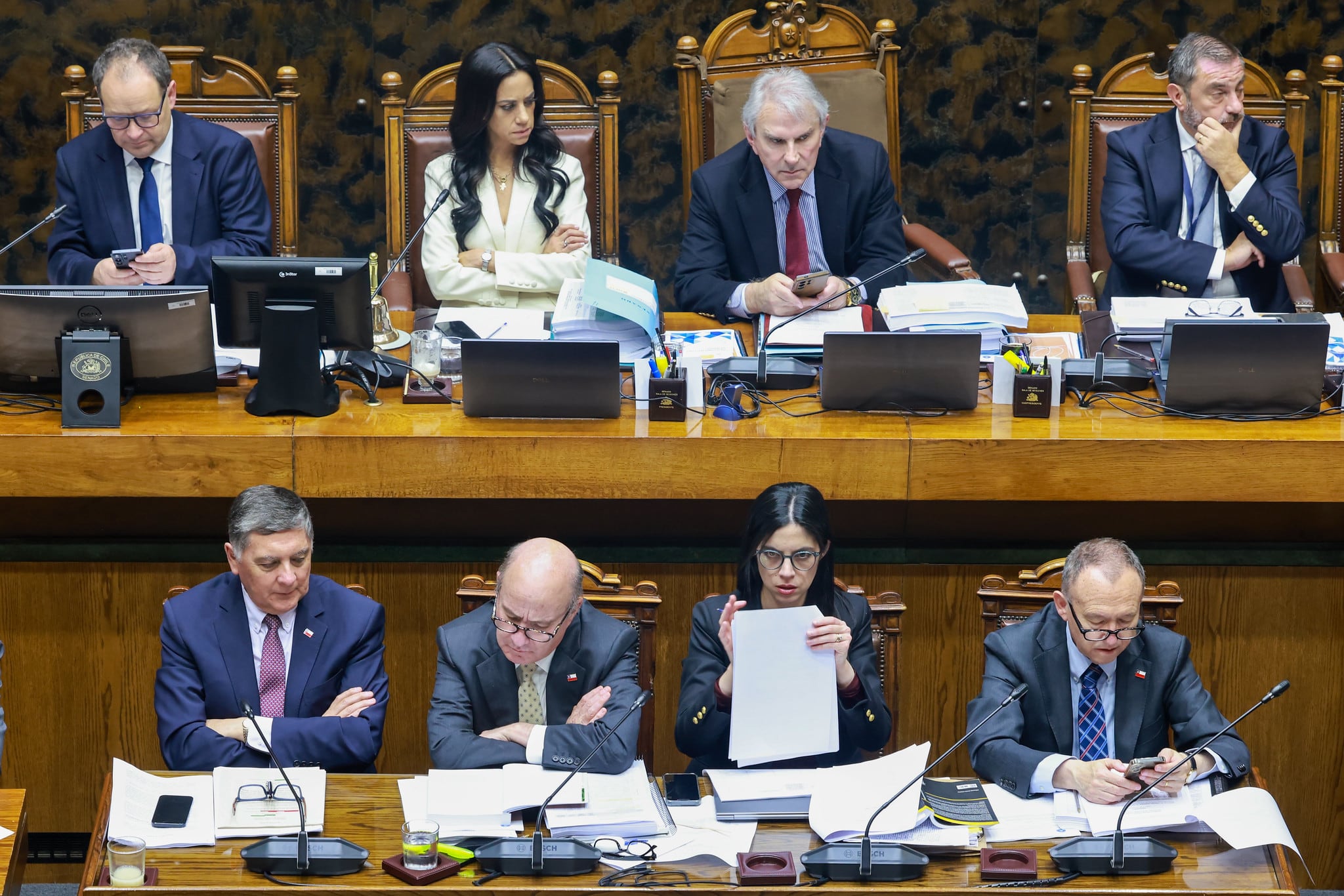
The Chilean Senate's approval of the Reconstruction Law is a significant development, not only for its provisions aimed at boosting investment, employment, and funding the rebuilding of Valparaíso and Biobío, but also for reintroducing economic growth as a central topic in public discourse. Nobel laureate Robert Lucas emphasized the profound impact of sustained economic growth on national destiny, leading to increased well-being, stronger social policies, environmental protection, and reduced conflict. The article argues that Chile's economy experienced a breakdown, with growth halving, investment stagnating, wages weakening, and unemployment becoming chronic, partly due to external shocks like the social unrest and the pandemic, but also due to policy missteps that prioritized distribution over production.
While the Reconstruction Law is a positive step, the article cautions that it is insufficient to resolve long-standing issues. Bureaucratic hurdles and lengthy permitting processes continue to slow down investment and project development. Furthermore, increased labor costs from reforms, without corresponding productivity gains, have resulted in an economy that struggles to create enough jobs, particularly for women and young people. A critical challenge for Chile is establishing a new consensus around economic growth, moving beyond simplistic notions of 'extractivism' to recognize the innovation and value added in sectors like copper, lithium, and salmon production. Ultimately, renewed growth requires further reforms and a collective belief that economic expansion is essential for creating a society with greater opportunities and social mobility, fulfilling Chile's promise of intergenerational progress.
The Chilean Reconstruction Law's passage highlights a critical juncture where national policy seeks to re-anchor economic growth as a primary objective. The narrative suggests a past overemphasis on distribution may have inadvertently curtailed productive capacity, leading to a period of stagnation. Moving forward, the challenge lies in navigating the inherent tension between regulatory frameworks designed for environmental and social protection, and the imperative for efficient capital deployment and job creation. Future success will likely depend on fostering a national consensus that views economic expansion not as an ideological pursuit, but as a fundamental enabler of social progress and improved living standards. This requires a strategic approach that streamlines bureaucratic processes, incentivizes productivity-linked wage growth, and embraces innovation across all economic sectors, ensuring that Chile's resource-based industries are recognized for their complex value chains and technological sophistication. The long-term vision should focus on creating a dynamic economic ecosystem that can adapt to global shifts and deliver sustained prosperity for all citizens.
AI-generated to prompt reflection — not editorial opinion, not advice, not a statement of fact. How this works.