Chile's Ruling Party Acts Like Opposition, Blaming Predecessors for Current Woes
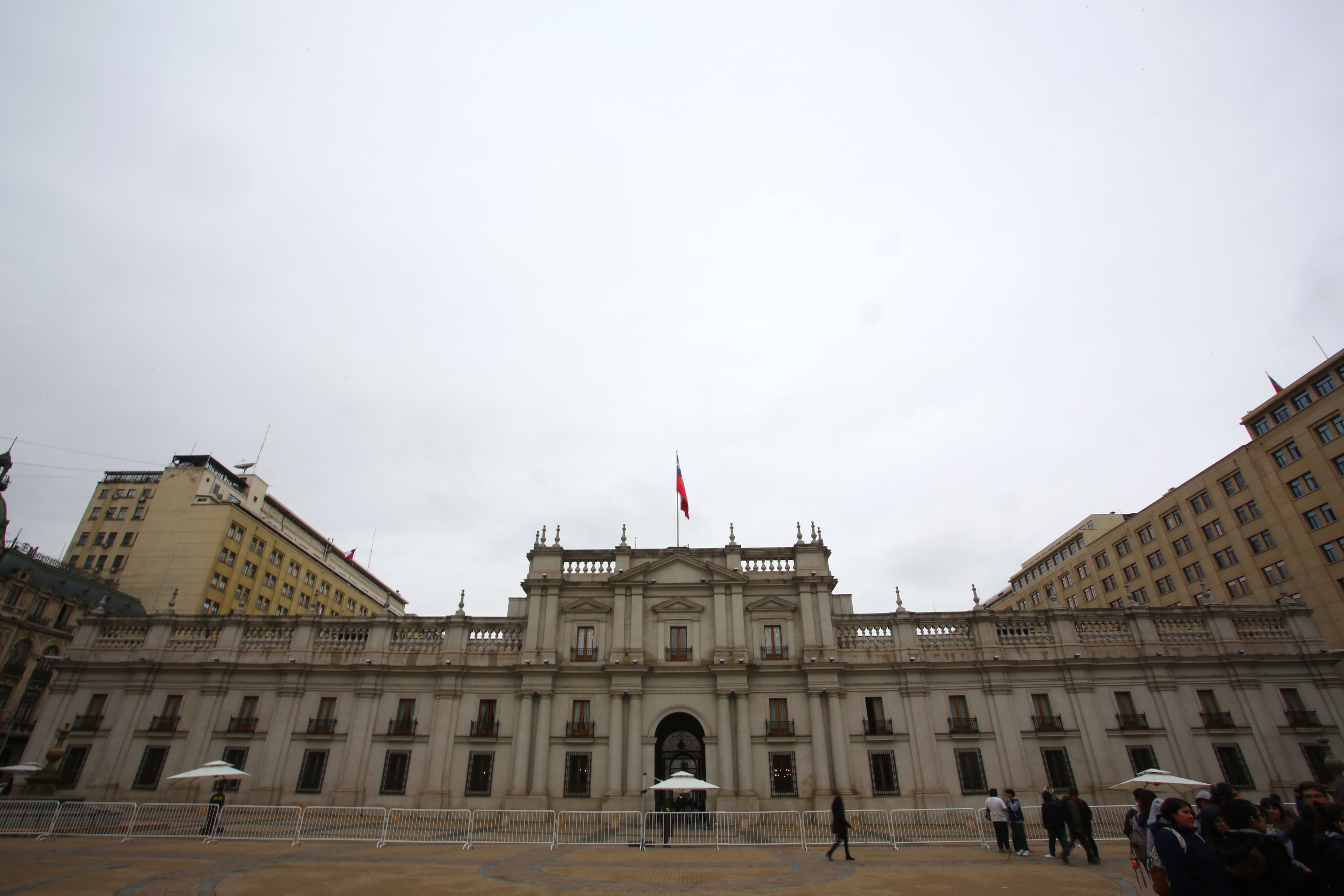
Chile's official government is exhibiting a peculiar behavior, acting more like an opposition party by consistently blaming the previous administration for current economic and social problems. Recent data shows a significant rise in unemployment, with the jobless rate reaching 9.4% between March and May, the highest since 2021, affecting nearly one million Chileans. Instead of addressing these issues, the Minister of Labor pointed to "labor cost increases" from the prior four years, while the Minister of Economy cited "years of bad public policies." This pattern continued with a constitutional accusation against former minister Nicolás Grau, which lacked support from experts and was ultimately rejected by the Senate. Further economic concerns emerged as May's Imacec figure dropped by -0.9%, signaling a potential technical recession, with the Minister of Economy again attributing the downturn to the previous government's "stagnant and battered economy." Additionally, a government audit committee reported "serious financial irregularities" in the previous administration, alleging over $1.4 trillion Chilean pesos transferred to foundations without proper accountability, though independent experts have criticized the audit's methodology and conclusions. This strategy appears to be a tactic by the ruling party, particularly the Republican Party, which has a decade-long history of effective opposition, to deflect responsibility and maintain political momentum by focusing on past governance rather than present challenges.
The narrative presented suggests a governing party struggling with the realities of administration after a prolonged period in opposition. By consistently attributing current negative outcomes to the prior government, the ruling party may be attempting to manage public expectations and avoid accountability for its own policy effectiveness. This approach, while a familiar tactic in political discourse, risks undermining public trust if it persists without tangible solutions to present-day issues. The long-term consequence could be a governance deficit, where the focus on past failures distracts from the necessary work of implementing forward-looking policies and addressing systemic challenges in areas like employment and economic stability. This dynamic highlights a potential internal contradiction: the desire for power versus the preparedness for the complexities of governing.
AI-generated to prompt reflection — not editorial opinion, not advice, not a statement of fact. How this works.