Chile's School Admission Reform Sparks Debate on Education and Politics
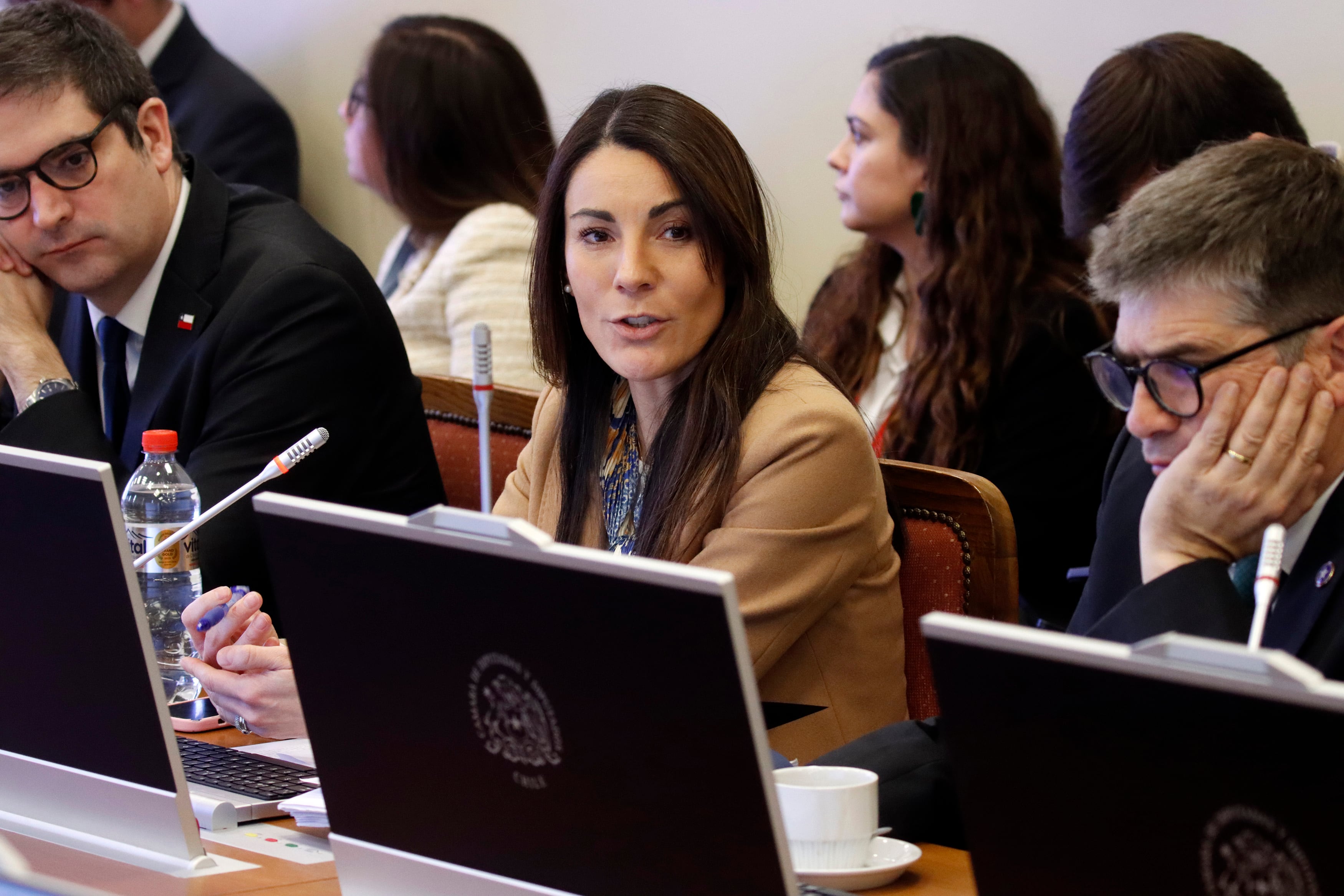
The Chilean government, under President Gabriel Boric, has introduced a bill to reform the School Admission System (SAE), reigniting a crucial national discussion on education and political strategy. This initiative is seen as a hopeful return to conversations about merit, educational community autonomy, system legitimacy, and overall quality in education. Minister María Paz Arzola acknowledged the dual challenge of developing better educational projects while simultaneously refining the admission criteria and mechanisms for student entry into educational institutions. The government's focus on these areas, especially given education's current emergency status, is being viewed as a positive development.
The article contrasts this with the reforms implemented by Michelle Bachelet's second government, which included ending school selection and introducing free university education. These earlier reforms, while technically flawed as they emerged over the last decade, also rested on problematic premises for effective political action. Historian Sol Serrano noted in 2024 that the 2015 educational reforms were "enlightenment-driven," disregarding Chile's educational history and aiming for equality without considering reality. This led to a disregard for existing successful elements, such as the achievements of high-performing schools, which have not been replaced by viable alternatives. Minister Arzola also pointed out that the current SAE system originated from a deep distrust of schools, leading to interventions that have caused subsequent problems.
Josefina Araos, an IES researcher, emphasizes that the current government's reform project, led by José Antonio Kast, must avoid repeating these past mistakes. There are concerns that the current initiative might be an attempt to dismantle the model established by political adversaries. However, Minister Arzola has clarified that the Executive is not pursuing a counter-reform but rather aiming to improve the existing system. The success of this reform will depend on demonstrating a genuine project for educational improvement, driven by a constructive vision rather than a destructive impulse, and acknowledging that dismantling is easier than building.
The proposed reform of Chile's School Admission System (SAE) highlights a recurring tension in educational policy: balancing equity with quality and institutional autonomy. The critique of past "enlightenment-driven" reforms suggests a systemic challenge in Chilean policymaking, where ambitious ideological goals may override practical considerations and historical context. The current government's stated intention to improve, rather than dismantle, the existing system offers an opportunity to address governance deficits that arose from distrust in educational institutions. Future policy success will likely hinge on transparent implementation and demonstrable positive outcomes, moving beyond partisan "mirroring" to a system that fosters diverse educational pathways and recognizes the value of established, effective practices. This approach could mitigate the risk of policy cycles that prioritize ideological shifts over sustained educational improvement, a critical consideration in the evolving landscape of global education.
AI-generated to prompt reflection — not editorial opinion, not advice, not a statement of fact. How this works.