Chile's Tax Stability: A Call for Investment Certainty Without Surcharges
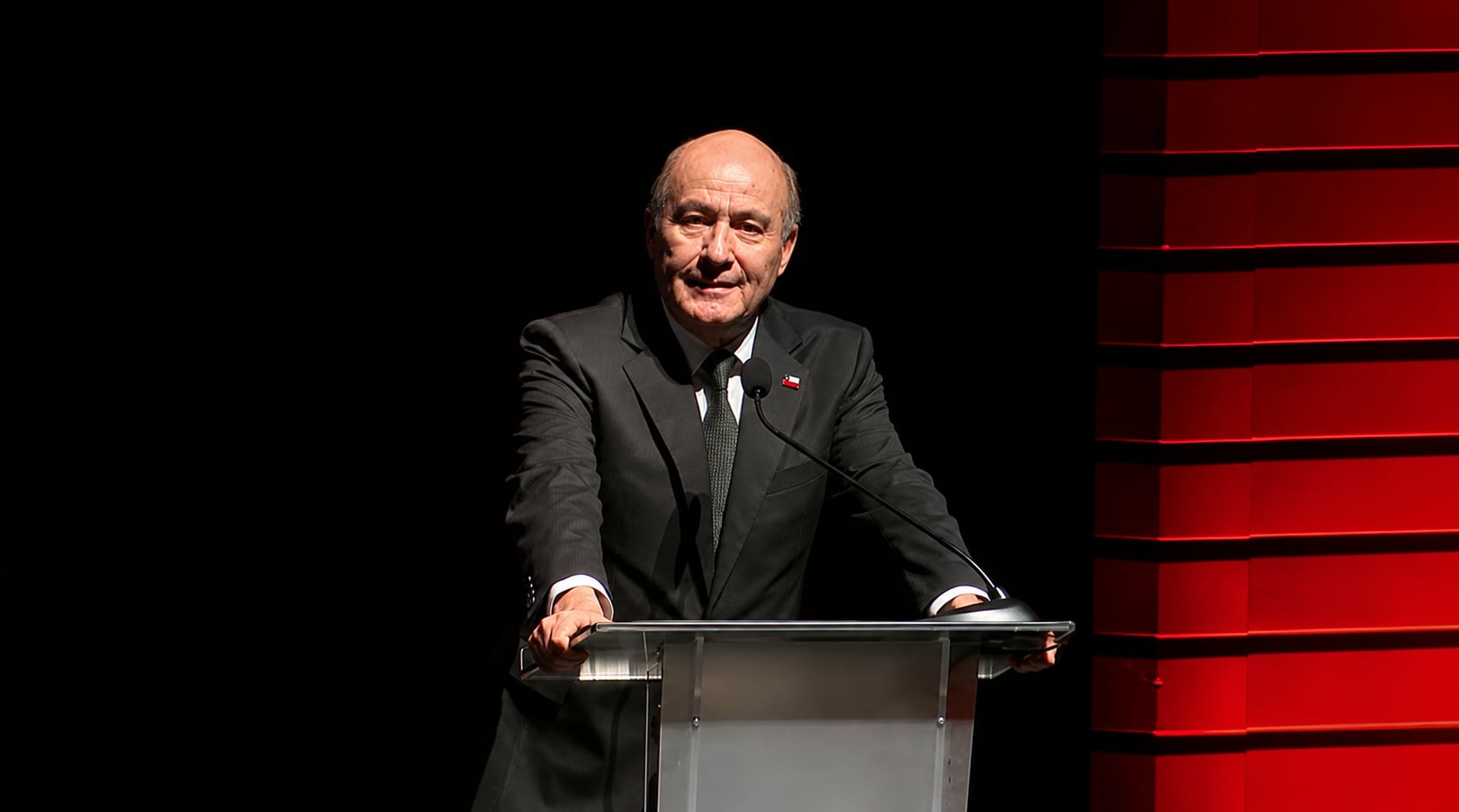
Chile is urged to reinstate tax stability to attract long-term investments, a feature previously offered by the DL 600 decree. The author, Jorge Claro Mimica, an engineer, proposes a system similar to the old DL 600, with varying contract lengths based on investment size. However, he criticizes the proposed permanent 1.5 percentage point surcharge on this stability measure. Mimica argues that tax invariability inherently increases project value by reducing the risk of regulatory changes after capital commitment, thereby encouraging investments that might otherwise be delayed, scaled back, or redirected elsewhere. He contends that the surcharge undermines this effect by diminishing project profitability and deterring investment. The true benefit to Chile, he states, is not an additional tax but the investment itself, which generates economic activity, jobs, exports, innovation, and future tax revenue. Specific contract durations are suggested: ten years for investments between US$10 million and US$20 million, fifteen years for US$20 million to US$50 million, twenty years for US$50 million to US$500 million, and twenty-five years for investments exceeding US$500 million. This guarantee should apply to both domestic and foreign investors and be renewable upon substantial new investment and fulfillment of original obligations. Chile faces stiff competition for capital from countries like Peru, Argentina, Brazil, Uruguay, and Australia, all offering contractual stability and long-term incentives. Mimica concludes that tax invariability, when applied generally, transparently, and contingent on actual investment realization, is a crucial tool for project execution, and charging for it may increase the tax rate but decrease the tax base.
The proposal to reintroduce tax stability in Chile aims to enhance investor confidence, a critical factor in attracting long-term capital. The debate centers on whether this stability should be a foundational offering to mitigate risk or a revenue-generating mechanism through surcharges. From a systemic perspective, the core tension lies between maximizing immediate fiscal returns and fostering sustained economic growth through investment. While a surcharge might offer a marginal revenue increase, it risks negating the primary benefit of tax certainty, potentially leading to a reduction in the volume and value of investments. This could create a self-defeating loop where the perceived stability is diminished by its cost, impacting Chile's competitiveness against nations offering more straightforward and predictable investment frameworks. The long-term implications for economic development and job creation should be weighed against short-term fiscal gains, considering how policy design influences investor behavior and capital allocation in a globally competitive environment.
AI-generated to prompt reflection — not editorial opinion, not advice, not a statement of fact. How this works.