Chile's Universal Nursery Project: A Boost for Early Childhood Education
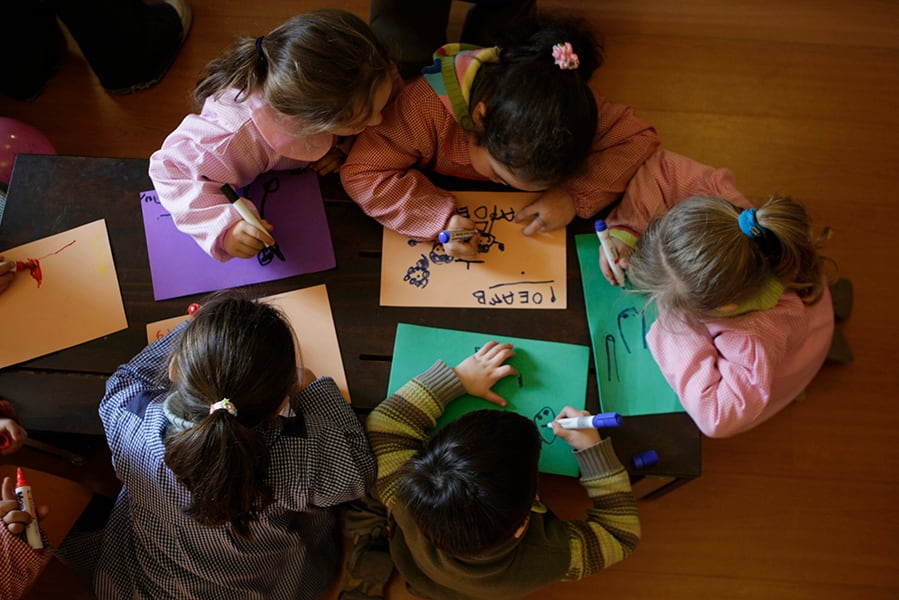
Chile is set to advance its Universal Nursery (Sala Cuna Universal) project, a legislative initiative aimed at increasing female labor force participation. Beyond its labor market implications, the project holds significant potential for strengthening early childhood education, an area currently facing challenges. Since 2019, enrollment in preschool education has dropped by approximately 17%, with a substantial majority of eligible children not attending. A key reason cited by families is the perceived lack of necessity for early education. Therefore, the initiative must focus not only on expanding access but also on re-establishing the social value of preschool education.
Research consistently shows that early childhood education positively impacts cognitive, socioemotional, and language development, particularly for children from vulnerable socioeconomic backgrounds. It also leads to better educational trajectories and is a crucial tool for reducing early learning gaps. The Universal Nursery project includes improvements such as a Public Registry of Nurseries to provide systematic information on availability and locations, aiding family decisions and policy design. Furthermore, allowing existing certified establishments to join the registry and access funding is a positive step, preventing the exclusion of a significant portion of current providers.
The reintroduction of co-payment is also beneficial, preserving parental choice and preventing access limitations. The system aims to ensure funding adequately reflects the costs of quality early education, with strengthened quality standards. However, adjustments are still needed, including considering territorial differences and incorporating a vulnerability factor to better target resources and acknowledge families' varying capacities for co-payment. The project also presents an opportunity to review current funding for state-subsidized institutions, addressing disparities with the proposed technical amounts. Ultimately, the Universal Nursery project is a significant advancement, but a broader conversation encompassing all early childhood education levels is necessary to truly prioritize this critical stage of development.
The Universal Nursery project in Chile presents a dual-purpose policy intervention, aiming to boost female labor participation while simultaneously addressing critical gaps in early childhood education. The initiative's design, incorporating a public registry and flexible funding mechanisms for existing providers, reflects an effort to create a more efficient and inclusive system. However, the underlying challenge of social valuation for early education suggests a deeper cultural or informational deficit that policy alone may not fully resolve. Future success will likely depend on sustained public awareness campaigns and demonstrating tangible, long-term developmental benefits for children, particularly those from disadvantaged backgrounds. The project's potential to influence broader educational policy for early childhood development positions it as a significant, albeit incomplete, step toward addressing systemic inequalities.
AI-generated to prompt reflection — not editorial opinion, not advice, not a statement of fact. How this works.