Chile's Urban Planning Fails to Integrate Climate Risk, Experts Warn
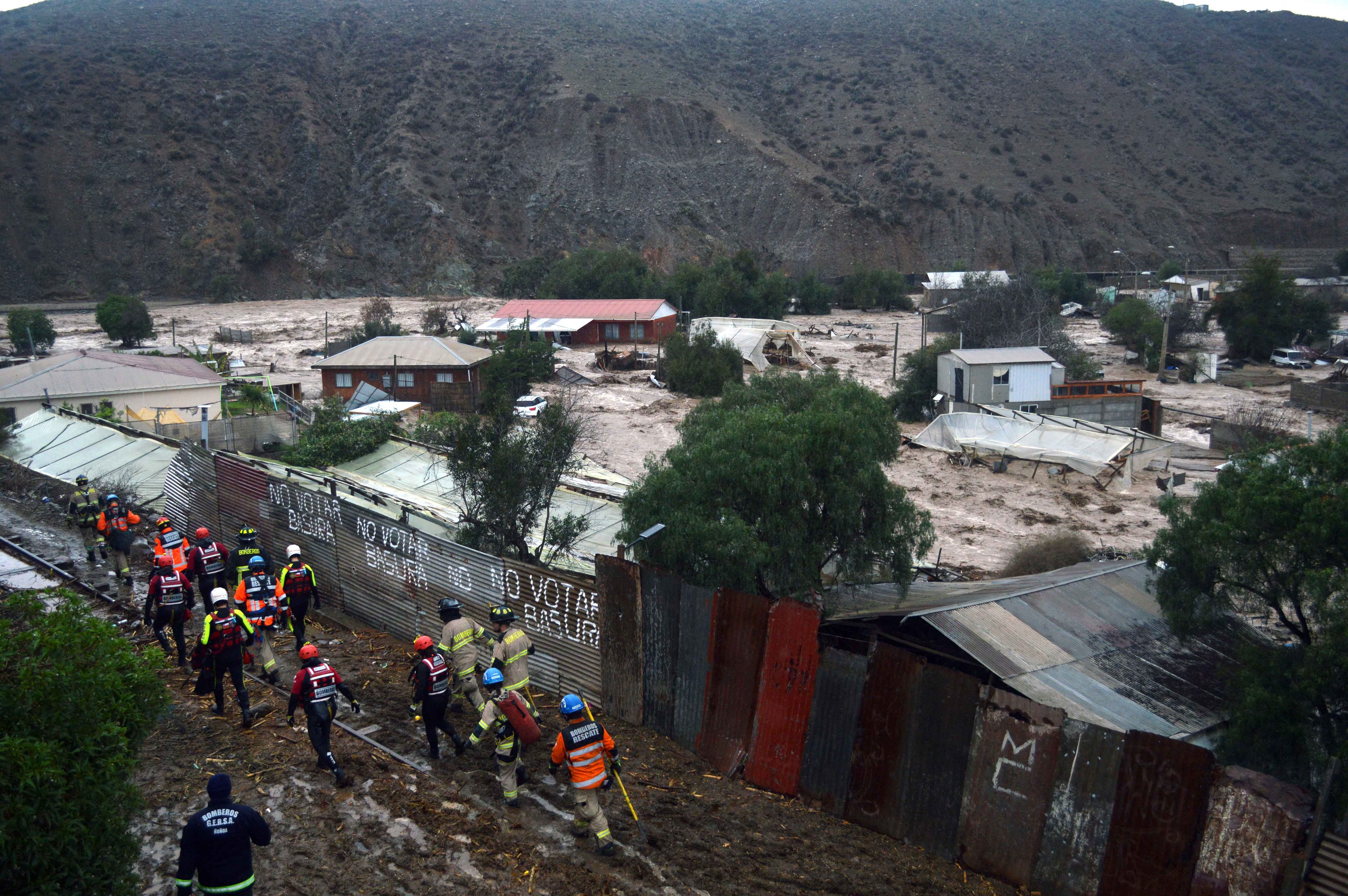
Chilean cities are consistently responding to severe weather events like heavy rainfall with emergency measures, a reactive approach that overlooks crucial pre-event planning. While authorities prepare for immediate contingencies, the critical conversation about long-term urban development decisions ceases once the rain stops. This pattern involves continued construction of housing, public facilities, and infrastructure in areas inherently prone to flooding, leading to predictable consequences when water naturally reclaims its territory. The issue is not solely the intensity of weather systems but also how land is utilized and developed within urban areas.
Resilient urban planning has not yet become a foundational principle guiding Chile's city growth. Instead, urban expansion largely follows market-driven dynamics, with climate risk being relegated to a secondary concern. This approach inadvertently builds vulnerability into cities, predisposing them to future damage. Experts emphasize that severe weather events are inevitable, and the critical question is whether Chile will prioritize climate risk in defining safe construction zones. The true disaster, they argue, begins not with the rain itself, but with the acceptance of placing people, homes, and essential services in locations known to be flood-prone.
Chile's approach to urban development appears to prioritize short-term market demands over long-term climate resilience, creating a recurring cycle of vulnerability. The current planning framework seems to externalize the costs of climate-related disasters onto communities and public resources, rather than internalizing them through robust land-use regulations. Looking ahead, integrating climate risk assessment as a primary criterion for urban expansion is essential for sustainable development in the face of escalating climate volatility. This necessitates a shift from reactive emergency management to proactive, data-driven urban governance that anticipates future environmental challenges and guides development towards safer, more resilient locations, thereby safeguarding both citizens and public finances.
AI-generated to prompt reflection — not editorial opinion, not advice, not a statement of fact. How this works.