Chile: Saturated Soils Pose Ongoing Risk of Sinkholes and Landslides After Rains
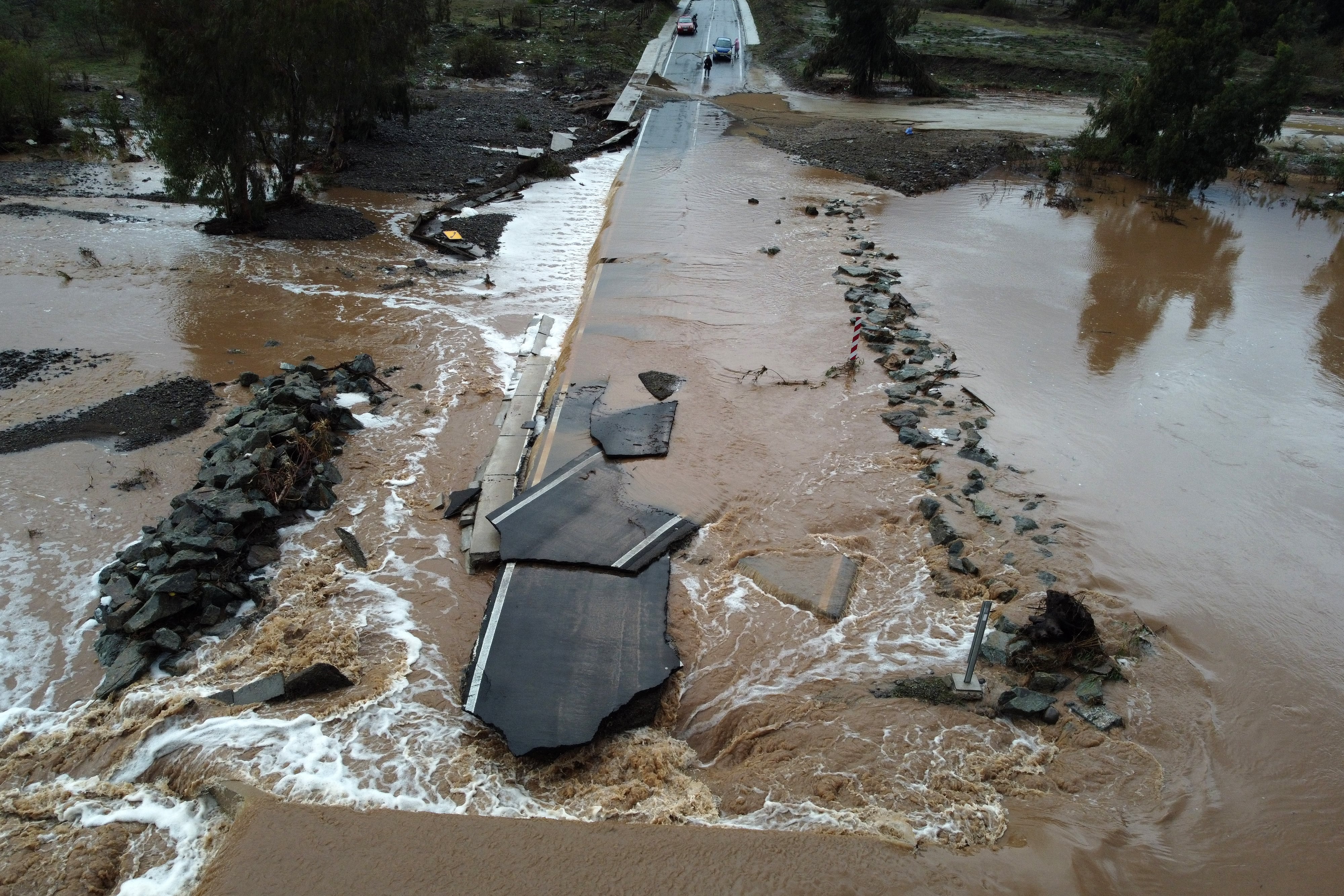
Even as a frontal system moves away from Chile's Atacama and Coquimbo regions, experts warn that the danger is far from over. The ground remains saturated from recent rainfall, significantly increasing the likelihood of mass movements, collapses, and new sinkholes in the coming days. This persistent saturation poses a continuing threat to infrastructure and communities in the affected northern areas. The emergency phase may be receding, but the geological instability introduced by the heavy rains requires ongoing vigilance. Residents and authorities must remain aware of the heightened risk of landslides and ground subsidence. The saturated soil conditions create a precarious environment where even minor disturbances could trigger further geological events. Therefore, the period following the initial rainfall is critical for monitoring and mitigation efforts. The full impact of the weather event is yet to be determined as these secondary hazards develop.
The heavy rainfall in Chile's Atacama and Coquimbo regions has created a critical post-event hazard due to soil saturation. This geological vulnerability, characterized by increased risks of landslides and sinkholes, highlights the long-term consequences of extreme weather events exacerbated by climate change. The situation underscores the importance of robust infrastructure resilience planning and early warning systems that account for delayed geological responses. Future urban planning and land management strategies in such regions must integrate a deeper understanding of soil mechanics and hydrological cycles to mitigate the recurrent risks posed by saturated ground conditions, especially in the face of more frequent and intense precipitation events.
AI-generated to prompt reflection — not editorial opinion, not advice, not a statement of fact. How this works.