Chile Storm Claims Three Lives, Affects Over 76,000
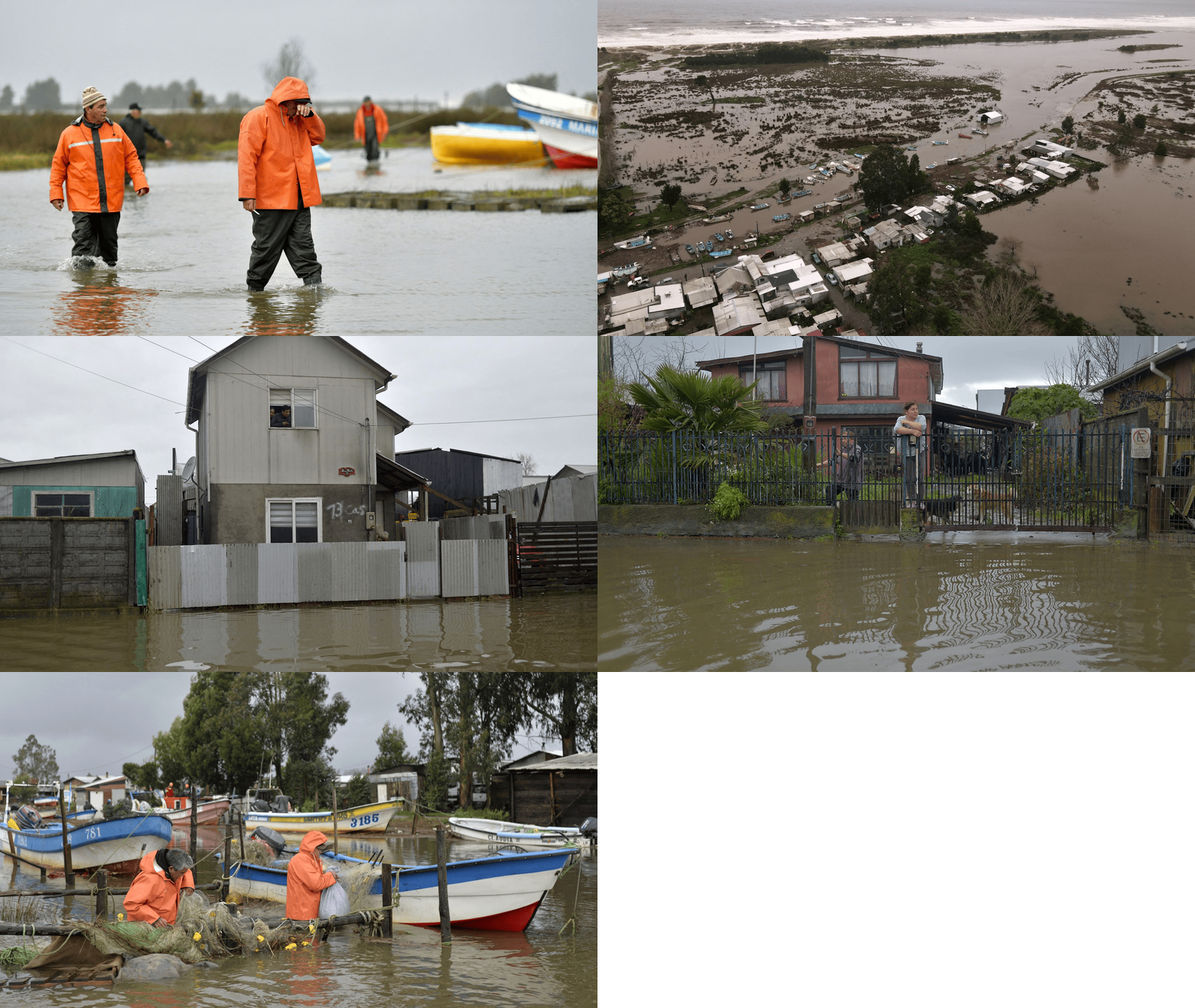
A severe storm, characterized by heavy rains, strong winds exceeding 100 km/h, and rough seas, has impacted 10 out of Chile's 16 regions. The storm, which began on Wednesday, June 15th, and is expected to continue until Sunday, June 19th, has resulted in three fatalities and affected at least 76,000 people. Five individuals sustained injuries, primarily in the southern parts of the country. The deceased include a worker clearing highway debris who was struck by a falling tree, an individual cleaning gutters who fell from a roof, and a third victim who died from an electric shock near a power pole. Coastal areas, such as a residential zone in the Biobío region, approximately 500 km from the capital Santiago, experienced flooding due to high surf, with belongings scattered in the streets. Over half a million people, specifically 590,824 customers representing 7.3% of the nation, lost electricity due to falling trees damaging power lines. In response to the adverse conditions, dozens of ports have partially suspended operations as a precautionary measure. The government, led by President José Antonio Kast, has deployed emergency response teams and suspended classes on Friday in nine affected regions to mitigate further damage.
This severe weather event highlights the vulnerability of infrastructure and communities to extreme climate phenomena, a growing concern in the Anthropocene. The widespread power outages, affecting over half a million people, underscore the need for resilient energy grids capable of withstanding high winds and falling debris. The fatalities, resulting from incidents directly linked to storm impacts like falling trees and electrical hazards, point to critical gaps in public safety protocols during emergencies. The government's mobilization of resources and suspension of educational activities demonstrate a reactive approach to disaster management. Looking ahead, proactive investments in climate adaptation, robust early warning systems, and infrastructure hardening will be crucial for minimizing future economic losses and, more importantly, safeguarding human lives against increasingly frequent and intense weather events.
AI-generated to prompt reflection — not editorial opinion, not advice, not a statement of fact. How this works.