Chile urged to actively participate in UN fiscal talks for global tax reform
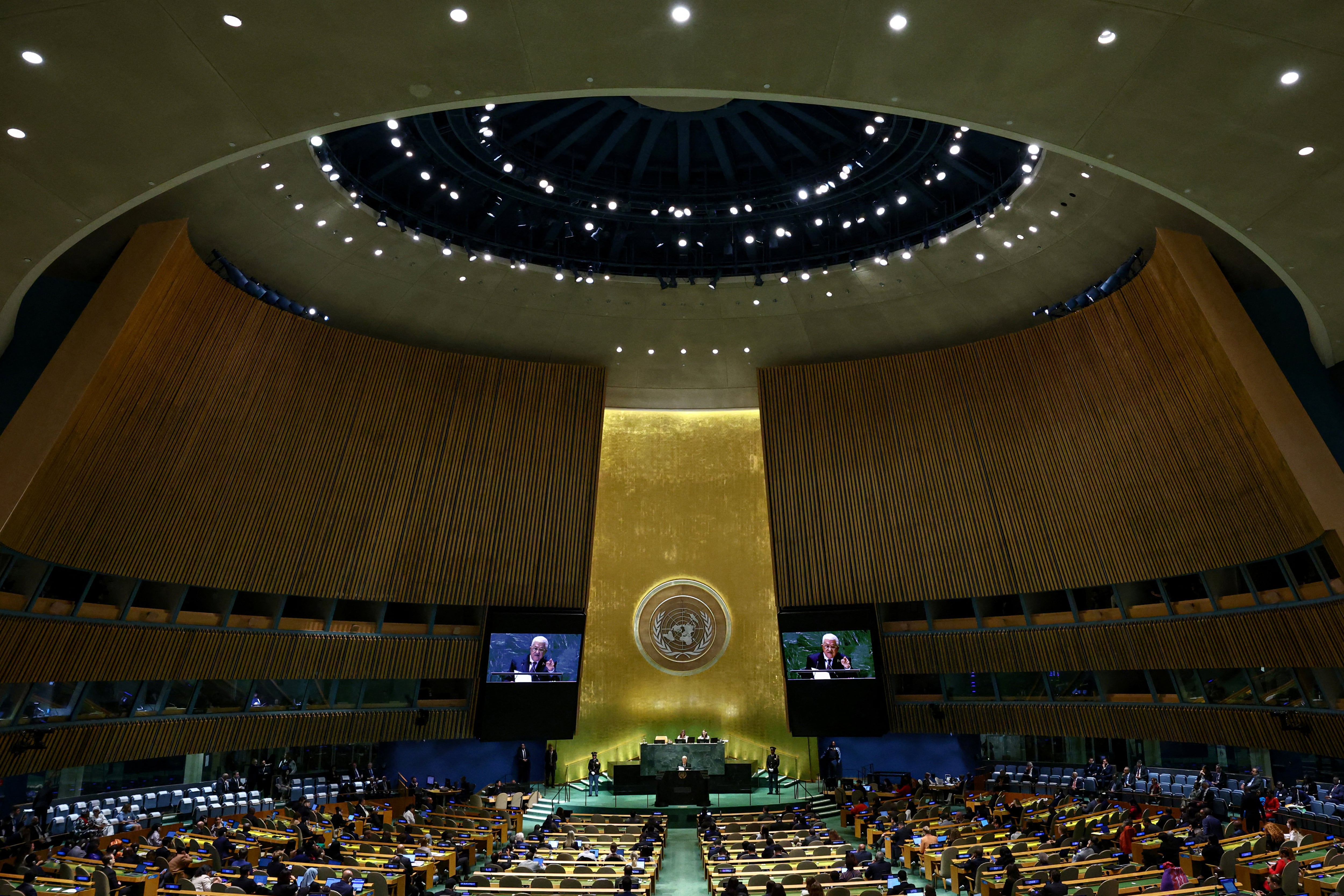
Chile is strongly encouraged to engage in upcoming United Nations negotiations in New York on August 3rd concerning a Convention on International Fiscal Cooperation. The country faces significant economic challenges, including a decelerating economy, a potential breach of its fiscal balance target, and a debt approaching 45% of GDP. Its GDP contracted in the first quarter, and unemployment reached 9.1%, its highest in nearly five years. Chile's tax revenue as a percentage of GDP is 20.5%, below the regional average. Compounding these issues, the new government's proposal to lower corporate taxes is projected to reduce public revenue for at least five years, according to legislative analysis. The UN negotiations are crucial as they will shape the future of international tax architecture, directly impacting national revenue generation for development. The World Inequality Report 2026 highlights extreme wealth concentration globally and particularly severe disparities in Latin America, where the richest 0.001% hold three times more wealth than the bottom 50% of the population. The ongoing conflict in the Middle East has exacerbated economic pressures, increasing external debt costs for millions in Latin America and benefiting corporations while straining commodity markets. Organizations like ICRICT, which the author is part of, advocate for taxing extraordinary war-related profits to capture wealth currently outside the existing system. The current international financial system exhibits significant loopholes, with a substantial portion of Latin American offshore wealth held in the United States, which acts as a de facto tax haven for the region. While increased information exchange between countries has boosted tax revenue in Latin America, the benefits are unevenly distributed. The UN convention offers an opportunity for more equitable participation in international information exchange for countries like Chile. Historically, global tax rules developed within the OECD have disproportionately benefited developed nations, leading to unequal and delayed benefits for developing countries. An estimated 1% of global GDP flows annually from poorer to richer nations, a trend reinforced by new global tax frameworks that can be influenced by national power dynamics. The author argues that the current system perpetuates inequality and erodes democracy, echoing the concerns of Raúl Prebisch, founder of CEPAL. Chile should advocate for an ambitious convention that includes fair taxation rights for multinational corporations, a protocol for taxing cross-border digital services, universal access to information exchange, public country-by-country reporting for multinationals, and the potential for information use beyond purely fiscal matters. A specific measure proposed is a 2% minimum tax on large fortunes, which could generate significant revenue for the region. Chile can leverage the Regional Platform for Tax Cooperation in Latin America and the Caribbean (PT-LAC) to amplify its voice and negotiate as a bloc, resisting fragmentation tactics. The author concludes that Chile must choose between being a passive observer of rules dictated by others or an active participant in shaping a truly global and democratic tax architecture, emphasizing that addressing extreme inequality requires robust rules, transparency, and taxation that reaches the wealthiest.
Chile's participation in the UN's International Fiscal Cooperation Convention is presented as a critical juncture for its economic stability and equitable development. The nation's current fiscal position, marked by slowing growth, rising unemployment, and a proposal to cut corporate taxes, creates a challenging backdrop for these negotiations. The author frames the convention as an opportunity to reshape global tax architecture, moving away from systems historically designed by OECD nations that may not adequately serve developing economies. The analysis highlights the stark global and regional wealth inequality, suggesting that international tax reform is not merely a technical fiscal matter but a fundamental issue of economic justice and democratic stability. The proposed reforms, including fair taxation of multinationals, digital services, and a potential global wealth tax, aim to create a more balanced system where tax revenues align with economic activity and wealth creation. Chile's strategic engagement, particularly through regional collaboration via PT-LAC, is emphasized as a means to amplify its influence and advocate for a more democratic and effective global tax framework, ultimately seeking to reconcile economic processes with democratic principles.
AI-generated to prompt reflection — not editorial opinion, not advice, not a statement of fact. How this works.