Chilean Cities Need Climate-Resilient Redesign Amid Intense Weather Events
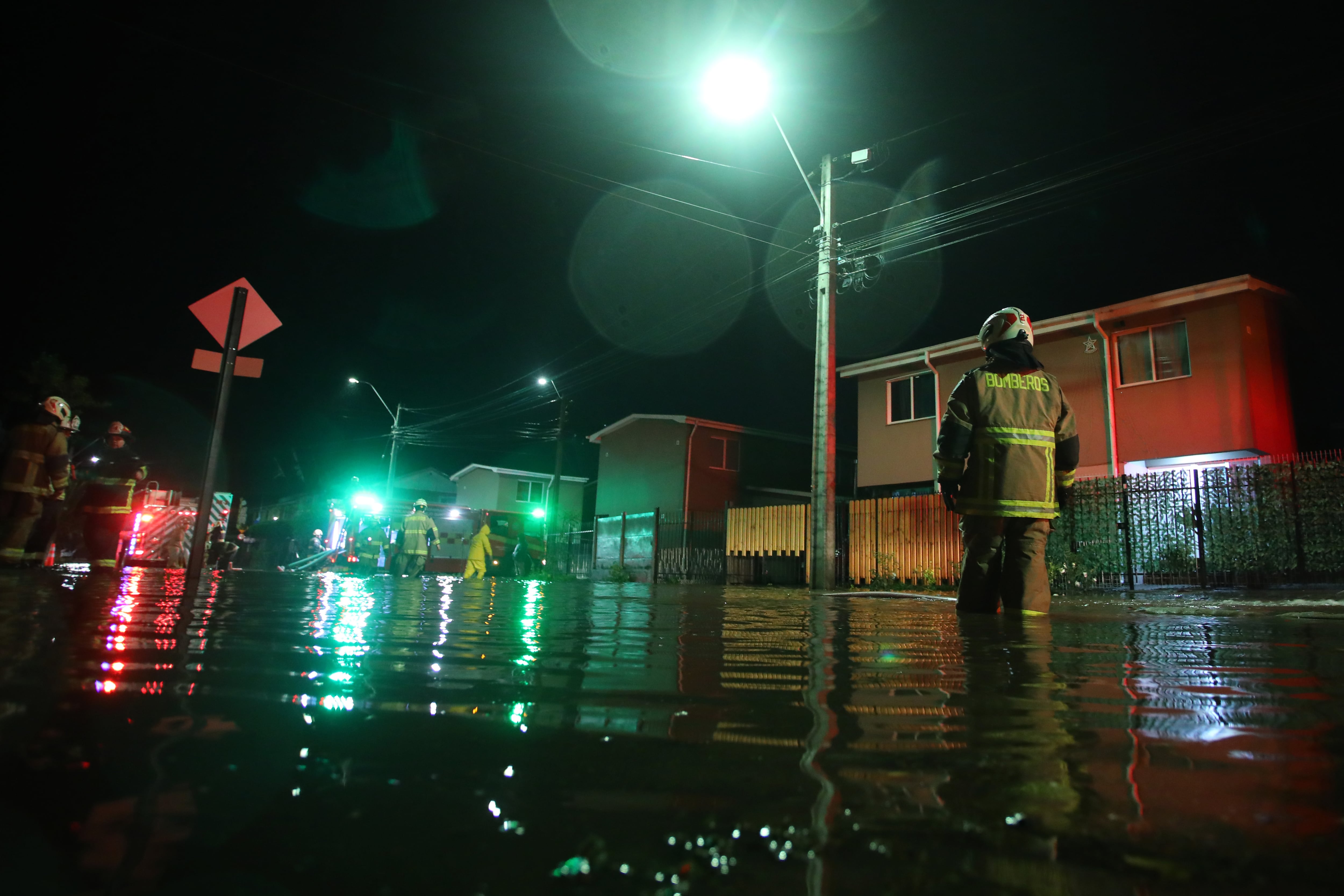
The Dean of the Faculty of Architecture and Art at the Universidad del Desarrollo (UDD) in Chile has stated that climate change necessitates a fundamental rethinking of urban design to better withstand increasingly severe weather events. This call comes in response to the recent severe storm that significantly impacted several Chilean cities. The dean emphasizes that current urban planning must adapt to the reality of more intense meteorological phenomena. He suggests that cities need to be redesigned to incorporate resilience against these extreme weather patterns. The focus is on proactive measures to protect urban areas and their inhabitants from future climate-related disasters. This initiative aims to ensure the long-term safety and sustainability of Chilean cities in the face of a changing global climate.
The recent severe weather event in Chile highlights a growing global challenge: the inadequacy of existing urban infrastructure to cope with the escalating intensity and frequency of climate-related disasters. The dean's call for a redesign of affected cities underscores the need for proactive, climate-informed urban planning. This involves integrating resilience strategies into the very fabric of urban development, moving beyond reactive damage control. Future urban planning must anticipate and mitigate the impacts of extreme weather, considering factors like improved drainage, resilient building materials, and strategic land-use planning to minimize exposure to hazards. The long-term economic and social costs of inaction, measured against the investment in adaptive infrastructure, present a critical trade-off for policymakers and urban planners in Chile and globally.
AI-generated to prompt reflection — not editorial opinion, not advice, not a statement of fact. How this works.