Chilean Committee Formation Stalled by Political Maneuvering
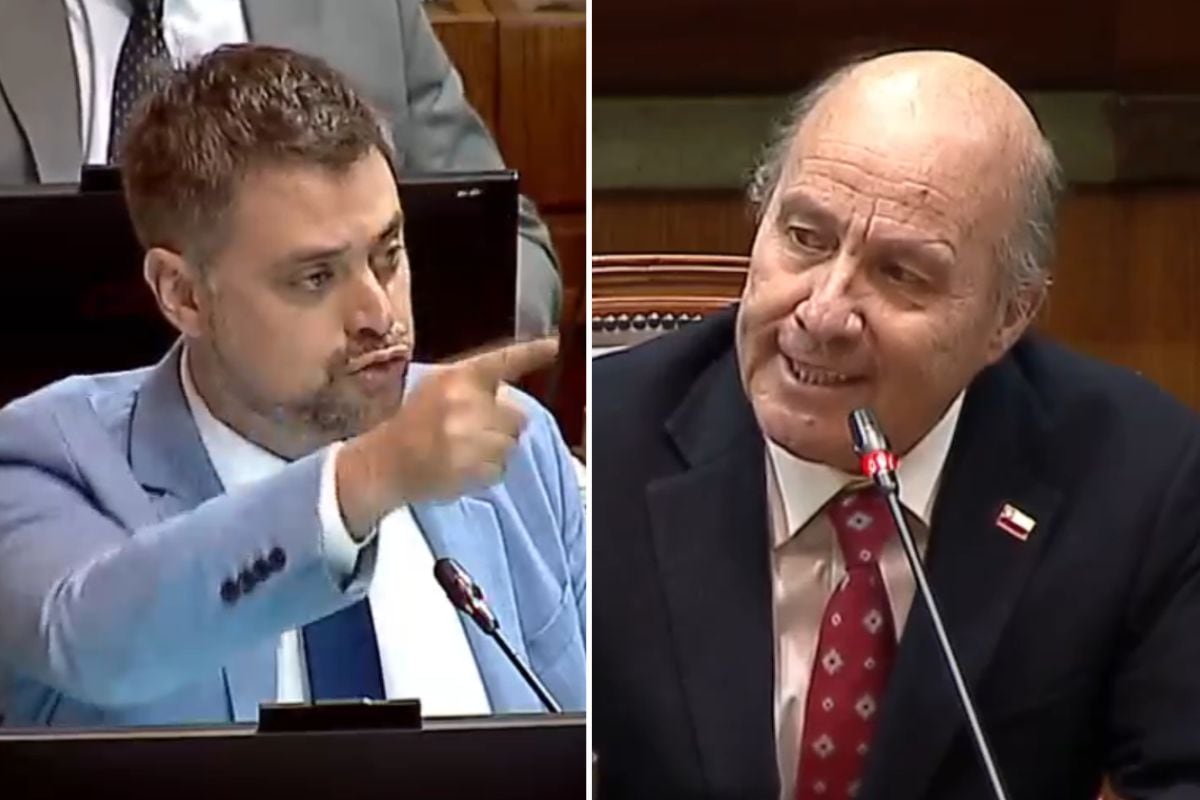
The formation of a mixed committee in Chile was complicated by political negotiations and strategic decisions. Despite some opposition from the right-wing parties, the President of the Chamber of Deputies, Jorge Alessandri, adhered to a prior agreement among political committees. This agreement stipulated that the composition of mixed committees would be determined by the proportional representation of deputies from each committee. Consequently, this arrangement secured a seat for the Socialist Party (PS). However, the Party of the People (PDG) was excluded from the committee due to this majority-based allocation. The headline also alludes to a threat from a figure named Manouchehri and a gesture towards a CEO, suggesting these were additional factors influencing the deadlock over the mega-reform committee.
The described scenario highlights the intricate interplay of parliamentary procedure and political negotiation in legislative processes. The adherence to pre-existing committee agreements, while ensuring procedural fairness based on representation, can inadvertently sideline smaller political groups, potentially limiting diverse viewpoints in reform discussions. This dynamic raises questions about the balance between majority rule and minority representation in shaping significant policy reforms. Future legislative frameworks might consider mechanisms that offer more inclusive participation for all political actors, even those with fewer representatives, to foster broader consensus and prevent the perception of exclusion in critical reform efforts.
AI-generated to prompt reflection — not editorial opinion, not advice, not a statement of fact. How this works.