Chilean Congress Approves Major Reform, Sparking Debate on Governance and Opposition Strategy
The government of President José Antonio Kast has secured its first significant legislative victory with the approval of a major reform bill in Congress. This achievement, backed by a temporary majority, marks a doctrinal win for the administration, which appears poised to leverage similar coalitions for future projects as long as the majority persists. However, the passage of this reform highlights a governance approach that listens but does not truly engage with dissenting perspectives, demonstrating little willingness to be challenged. A core component of the reform, a tax reduction tied to fiscal balances for several years, was maintained without compromise, reflecting the government's unwavering conviction.
While some may find comfort in invoking traditional cross-party agreements, the situation calls for a strategic reassessment rather than mere negotiation. The government's openness to dialogue was superficial; its primary aim was to secure votes rather than foster genuine consensus. Even market reactions, evidenced by muted enthusiasm on the stock exchange following the approval, suggest an understanding of the reform's fragile victory. This pattern extends beyond the current reform, as the same government is also preparing to dismantle the existing 40-hour work week law, a measure that had previously garnered broader support.
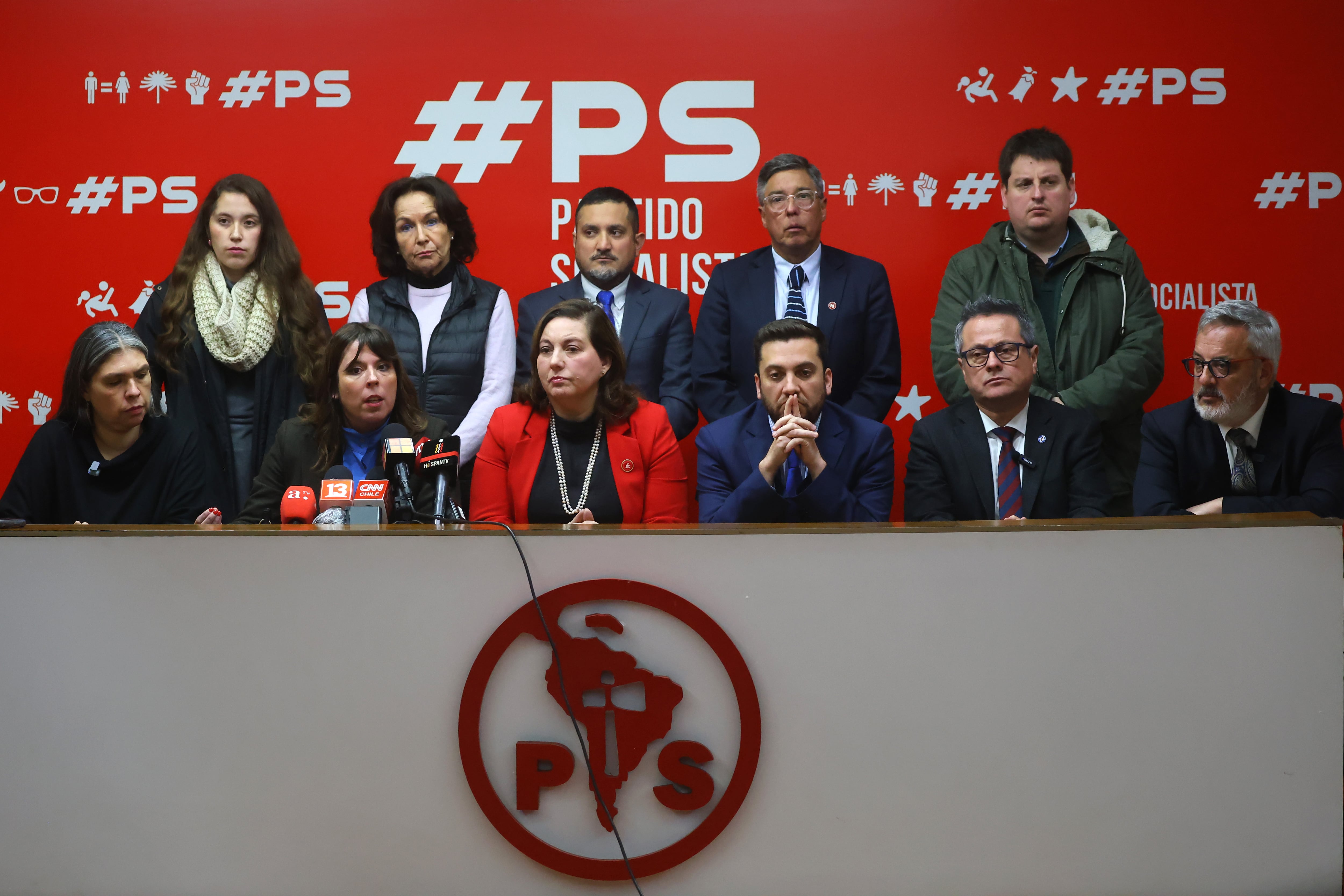
The challenge extends beyond the opposition and encompasses the entire nation. It necessitates a shift from lamenting the lack of a governing majority to a more strategic approach in Congress. The fragmentation within the legislative body means that public approval ratings must be considered alongside voting arithmetic, timing, and project context. Reforms that face significant public opposition, if enacted, accumulate negative sentiment that can ultimately impact the ruling party. The Party of the People, currently positioned as a swing vote, gains immediate influence but risks alienating its electorate if it consistently aligns with other parties' agendas without distinct representation. The opposition, through various means, has managed to connect with a majority of the population who perceive the reform as primarily benefiting the wealthy.
This situation calls for expanding the political arena beyond congressional chambers to include broader societal engagement. Political action extends to local governance, where direct engagement with citizens is crucial, and where the government's narrative of a fragmented opposition is proving ineffective. The overarching challenge is not merely circumstantial but epochal: to present an alternative vision for the country that can mobilize support, not just offer resistance. This requires actively involving citizens in debates, including online platforms where public opinion is shaped. The ruling right wing used the rhetoric of change and rupture to win the presidency, but has failed to address the material aspects of change, such as the rising cost of living and reforms that do not benefit the majority. This disconnect between promises and daily experiences presents an opportunity for the opposition, though it also carries the responsibility of developing long-term development proposals for the current era.
The recent legislative victory in Chile, while a significant tactical win for President Kast's government, underscores a governance model prioritizing legislative arithmetic over broad societal consensus. This approach, characterized by a steadfast adherence to its core tax reduction agenda, risks alienating a significant portion of the populace who perceive the reforms as disproportionately benefiting the affluent. The market's muted reaction suggests a recognition of the reform's potential fragility and a lack of confidence in its long-term stability. As the government also moves to dismantle the 40-hour work week, a policy with existing public backing, it signals a potential pattern of disregarding established social contracts in favor of ideological objectives. The opposition faces a strategic imperative to move beyond parliamentary maneuvering and engage the public directly, particularly in regions and online spaces where a narrative of economic disparity can resonate. The long-term challenge for any governing coalition in Chile's fragmented political landscape will be to bridge the gap between electoral promises and tangible improvements in the daily lives of the majority, a critical factor for sustainable governance in the coming decade.
AI-generated to prompt reflection — not editorial opinion, not advice, not a statement of fact. How this works.