Chilean Congress Debates Stricter Penalties for Juvenile Offenders
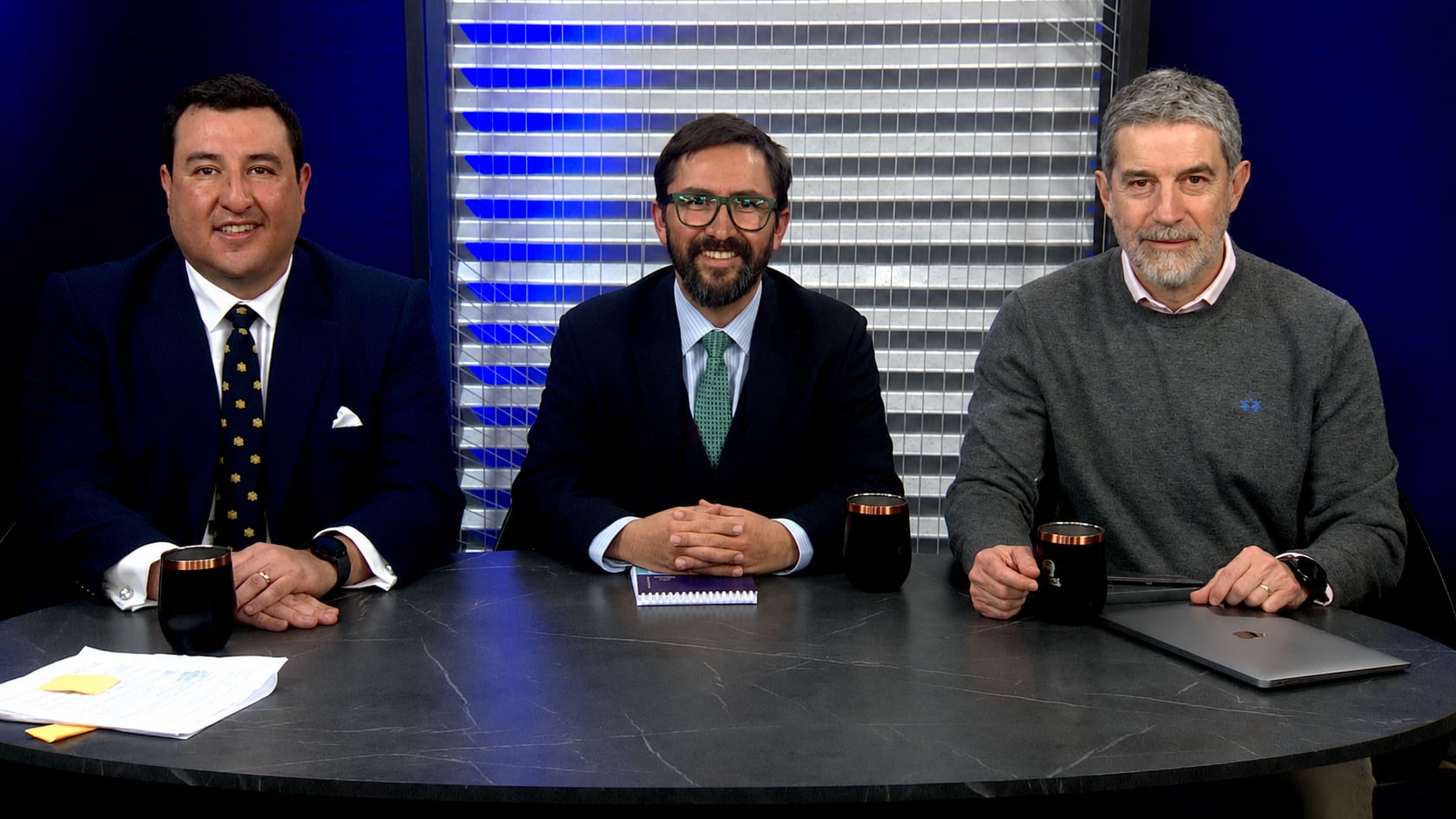
Chilean legal scholars are discussing proposed reforms to the Law on Criminal Liability of Adolescents, which aim to increase penalties for young offenders. The conversation, hosted by Polo Ramírez, featured legal academics Felipe Lizama from the University of Santiago's Faculty of Law and Alejandro Leiva from the Universidad Andrés Bello's Faculty of Law. They are examining current debates in Congress regarding potential changes to the law. The focus of these discussions is on toughening sanctions for minors who commit crimes. This legislative push reflects ongoing concerns about juvenile delinquency and the effectiveness of existing legal frameworks in addressing it.
The proposed legislative reforms in Chile concerning adolescent criminal liability reflect a common societal tension between rehabilitation and punitive measures for young offenders. As Congress debates stricter sanctions, it is crucial to consider the long-term impact of such policies on recidivism rates and the socio-economic reintegration of adolescents. Evidence from various jurisdictions suggests that a balanced approach, incorporating restorative justice principles alongside appropriate accountability, often yields more sustainable public safety outcomes than solely focusing on punitive escalation. The effectiveness of these reforms will likely depend on whether they are accompanied by adequate support systems for at-risk youth and opportunities for education and employment post-sentencing, addressing the root causes of delinquency rather than just its symptoms.
AI-generated to prompt reflection — not editorial opinion, not advice, not a statement of fact. How this works.