Chilean Congress Rejects Unconstitutional Pre-Trial Detention Bill
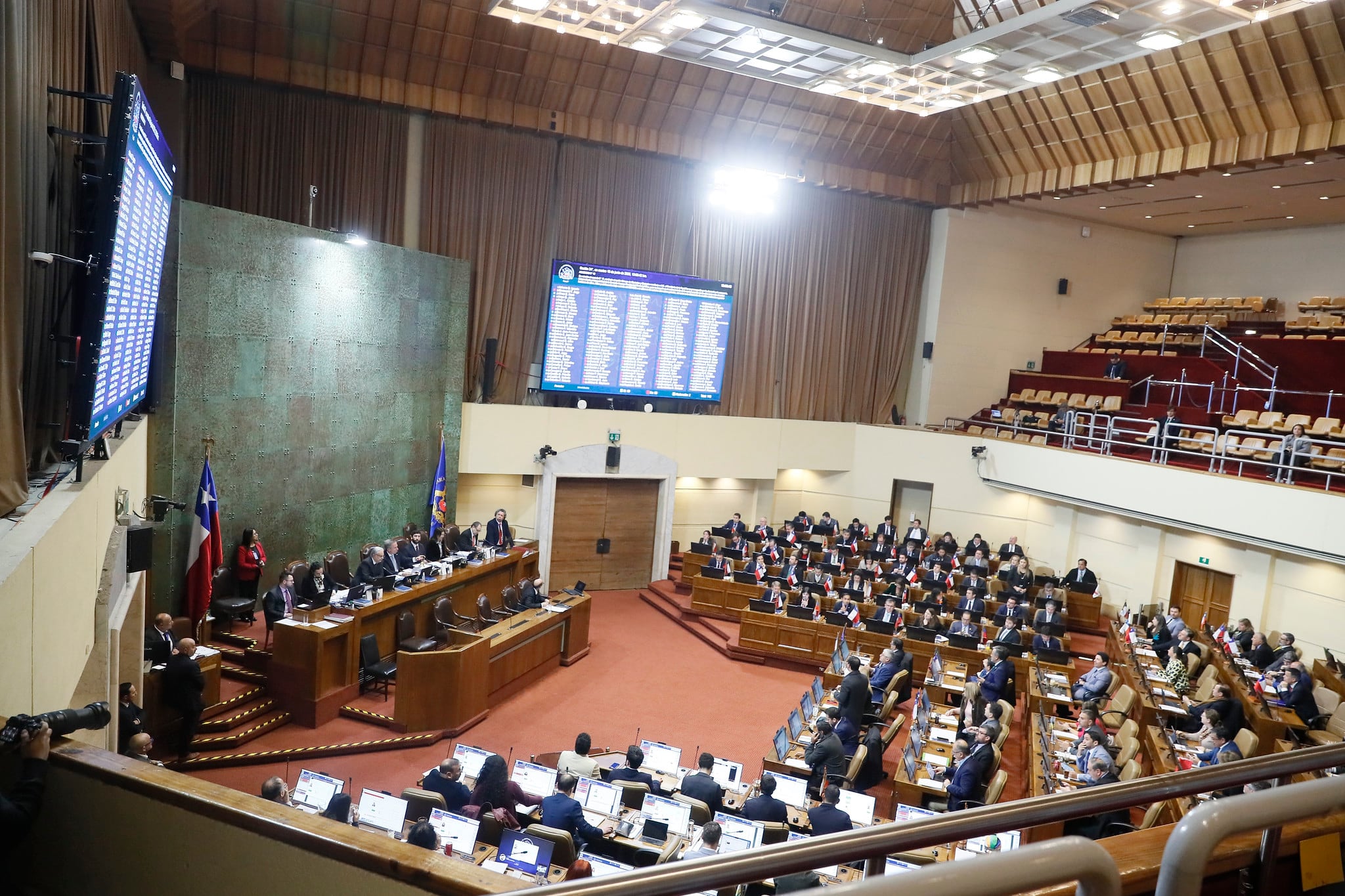
The Defense Committee of the Chamber of Deputies in Chile unanimously rejected a bill (10-0) that would have mandated pre-trial detention for those accused of crimes against national sovereignty. This project, identified as Boletín 17.671-02, was deemed unconstitutional because it would have prevented courts from assessing the necessity of such detention on a case-by-case basis. Critics argued that this violated fundamental principles such as the separation of powers, the presumption of innocence, and the proportionality and exceptional nature of pre-trial detention, all of which are protected by the Chilean Constitution and international human rights treaties. The bill's swift rejection by parliamentarians across the political spectrum highlights a broader issue of legislative time being spent on initiatives lacking legal viability. Despite public demand for effective solutions to the ongoing security crisis, the Congress is urged to avoid dedicating resources to projects that are fundamentally flawed from their inception.
The unanimous rejection of the mandatory pre-trial detention bill by Chile's Defense Committee underscores a recurring tension between legislative responsiveness to public security concerns and adherence to constitutional principles. While lawmakers are pressured to demonstrate action against rising crime, the incident highlights the risk of prioritizing politically expedient proposals over legally sound ones. This pattern can lead to wasted legislative effort and public distrust, as initiatives are introduced without sufficient regard for their constitutional permissibility. Moving forward, a more robust initial vetting process for proposed legislation, potentially involving independent constitutional review earlier in the legislative cycle, could help conserve parliamentary resources and ensure that proposed solutions align with established legal frameworks. This approach would foster greater confidence in the legislative process and its capacity to address complex societal challenges effectively and constitutionally.
AI-generated to prompt reflection — not editorial opinion, not advice, not a statement of fact. How this works.