Chilean Creative Disciplines Shine Globally, Despite One Notable Absence
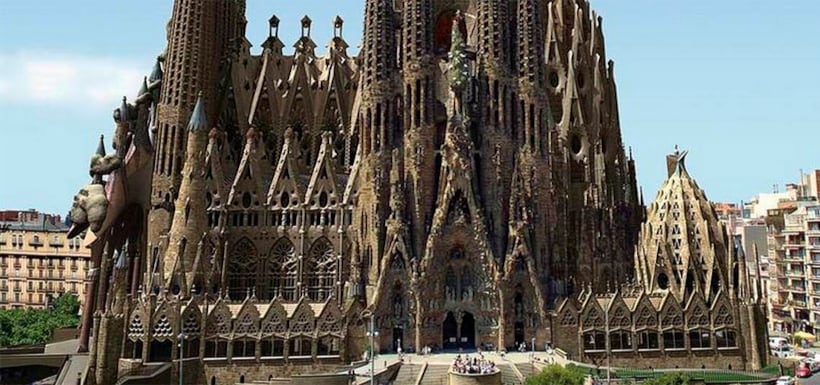
Chilean creative professionals achieved significant recognition on the international stage recently, with notable participation in both the World Congress of Architects in Barcelona and the Venice Art Biennale. The UIA World Congress of Architects, held in Barcelona in July, attracted nearly 10,000 attendees and featured 250 prominent architects discussing themes like building reuse, flexible housing, digital urban tools, climate resilience, and resource economy. Chilean architects and firms, including Max Núñez, Pezzo von Ellrichshausen, and Plan Común, were highly praised. A highlight was a session featuring Pritzker laureate Smiljan Radic and Enrique Walker, drawing over 4,000 attendees. Concurrently, the Venice Art Biennale showcased global artistic production, with themes of war, climate crisis, diversity, memory, and local craftsmanship resonating strongly. The Chilean Pavilion, featuring artist Norton Maza, and Alfredo Jaar's installation on strategic minerals, garnered significant attention. However, the Chilean creative sector's success was marred by the absence of the Chilean College of Architects at the UIA Congress. Their stand in Barcelona was notably empty, raising questions about funding or collaboration with architectural schools and professional associations. This mixed outcome, described as "sweet and sour days," suggests lessons need to be learned from these experiences, as noted by Ricardo Abuauad, Dean of Campus Creativo UNAB and Professor at UC.
The recent international acclaim for Chilean architects and artists underscores the nation's capacity for high-level creative output. However, the empty stand at the UIA Congress highlights a potential disconnect between individual professional excellence and institutional representation. This situation may reflect challenges in organizational funding, strategic planning, or internal collaboration within professional bodies. In an era where global visibility is crucial for cultural and economic influence, such institutional shortcomings can undermine broader national achievements. Future efforts could focus on fostering stronger synergistic relationships between individual talents and collective organizations to ensure consistent and robust national representation across all major international platforms, thereby maximizing the impact of Chile's creative capital.
AI-generated to prompt reflection — not editorial opinion, not advice, not a statement of fact. How this works.