Chilean Culture Minister Slashes Arts Funding, Critics Decry Bureaucratic Hurdles
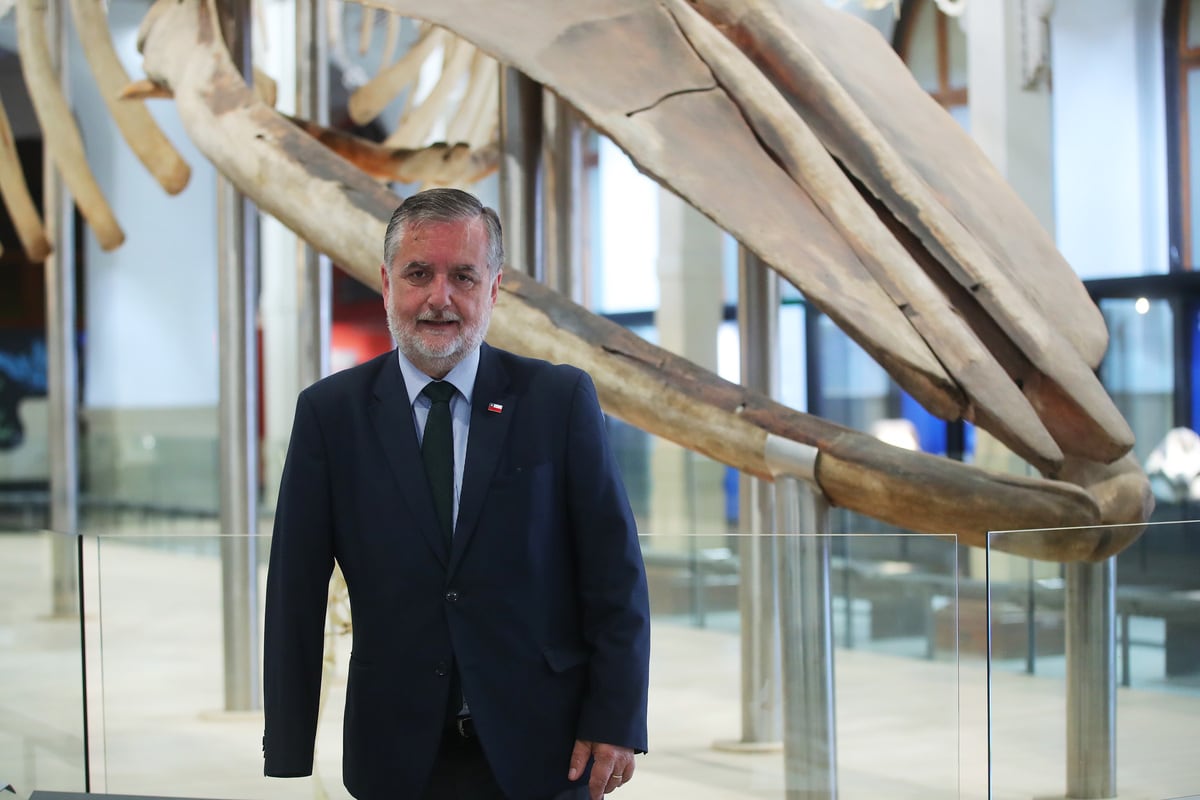
Chile's Minister of Culture, Francisco Undurraga, has announced significant budget cuts to cultural funding, a move that critics argue undermines artistic creation and employment. The proposed budget for 2027 slashes funding by nearly half, reducing the total allocated funds from 85.4 billion pesos in 2026 to 41.4 billion pesos in 2027. Specific areas facing deep reductions include the Audiovisual Fund, which will drop from 540 million pesos to 192 million pesos, and the Book and Reading Fund, decreasing from 293 million pesos to 128 million pesos. These cuts are framed by the ministry as a commitment to culture and a clarification of management priorities, with Minister Undurraga acknowledging the difficulties faced by cultural professionals. However, the ministry is also introducing new, stringent requirements for grant applications, such as mandatory certificates of attendance at literary workshops and letters of recommendation for literary creation grants. Critics, including writer Yanko González, argue that these new bureaucratic hurdles would have prevented acclaimed authors like Roberto Bolaño and Gabriela Mistral from receiving funding, as many artists develop their craft through self-teaching or unconventional paths. The requirement to register incomplete works with intellectual property offices is also questioned, as this process is typically for finished pieces. These changes are seen by many as a lack of understanding of the creative process, adding unnecessary bureaucracy and potentially excluding emerging or self-taught artists. The reduction in funding is expected to lead to fewer job opportunities for professionals in publishing, translation, design, audiovisual production, and other cultural sectors.
The Chilean government's drastic reduction in cultural funding and the imposition of new bureaucratic barriers for grant applicants represent a significant shift in cultural policy. This approach prioritizes fiscal austerity and a narrowly defined notion of efficiency over the broader ecosystem of artistic production and dissemination. The emphasis on formal training and established networks, as evidenced by the workshop and recommendation requirements, may inadvertently stifle emerging talent and diverse creative voices that often develop outside traditional academic or professional structures. Such policies could lead to a less vibrant cultural landscape, potentially impacting national identity and international cultural exchange. Looking ahead, the long-term consequences of underfunding the arts and creating systemic barriers for creators could hinder innovation and the development of a robust creative economy, which is increasingly recognized as a vital sector in the digital age.
AI-generated to prompt reflection — not editorial opinion, not advice, not a statement of fact. How this works.