Chilean Democracy Strengthens, But Fiscal Balance Faces Challenges
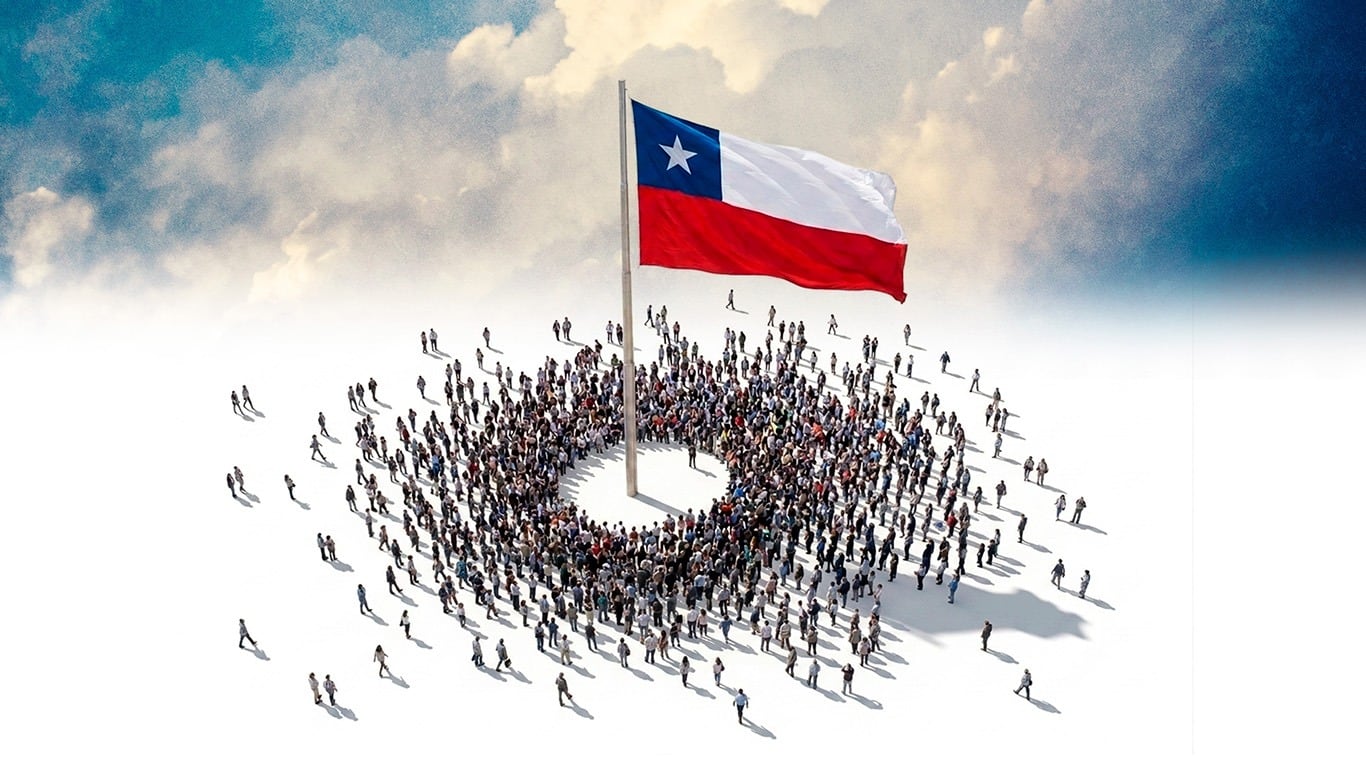
A study by the Universidad Miguel de Cervantes indicates that Chilean democracy experienced significant advancements in 2025, particularly in the area of Public Security. However, the research also highlights a concerning trend, with the greatest setbacks observed in the category of Responsible and Effective State Governance. The findings suggest a complex picture of democratic health, where progress in one critical sector is offset by deficiencies in another. The university's investigation points to a need for focused attention on improving the efficiency and accountability of state governance. While citizens perceive improvements in their safety, the effectiveness of government operations remains a point of concern. This dual outcome underscores the multifaceted nature of democratic development and the ongoing challenges faced by Chile in achieving comprehensive progress. The study serves as a crucial barometer, guiding future policy decisions and interventions aimed at bolstering democratic institutions.
This study presents a nuanced view of Chilean democracy, indicating that while citizen perceptions of public security have improved, the efficacy of state governance lags. This divergence may reflect challenges in translating security gains into broader governmental effectiveness or highlight systemic issues within administrative structures. Future policy might benefit from examining the incentive structures that govern state efficiency and accountability, particularly in relation to fiscal management, to ensure that progress in one domain does not undermine stability in another. The long-term implications for democratic resilience will depend on addressing these governance gaps, especially as Chile navigates evolving societal expectations and potential economic pressures in the coming decade.
AI-generated to prompt reflection — not editorial opinion, not advice, not a statement of fact. How this works.