Chilean Deputies Debate Reforms to Strengthen Student Admission System
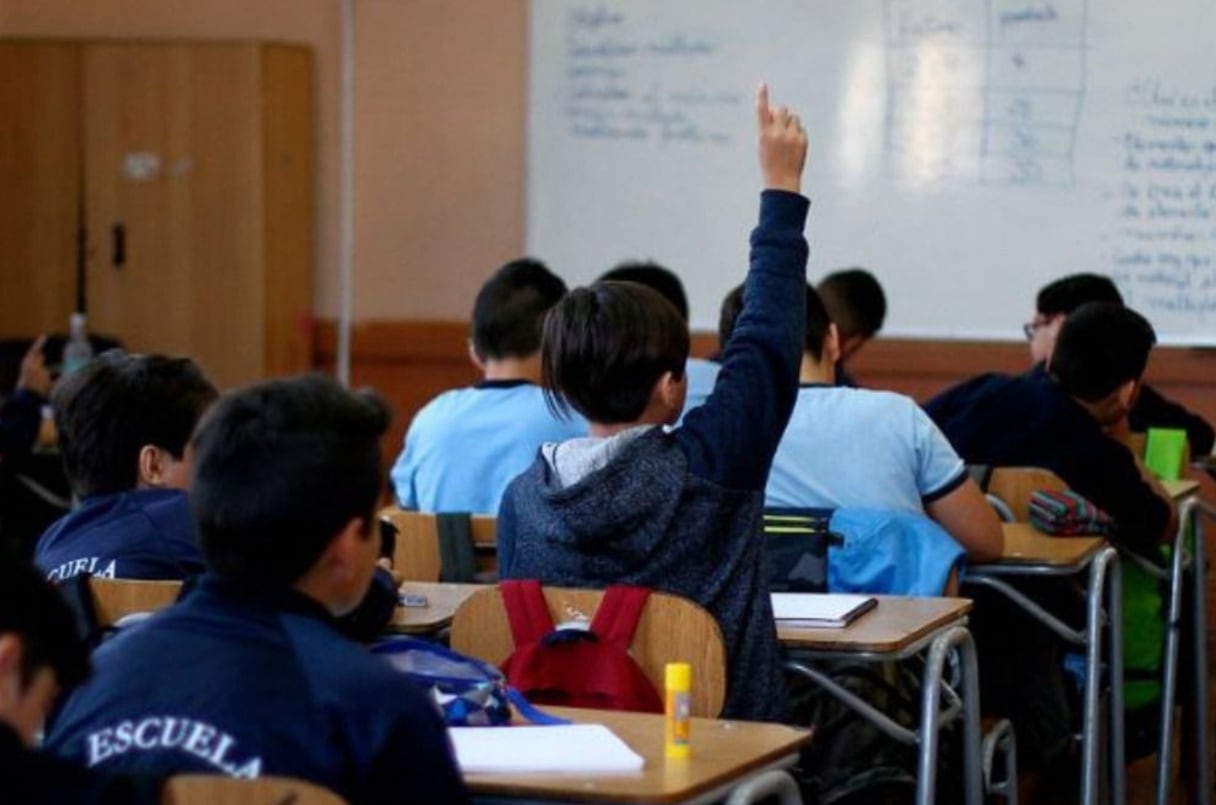
The Chamber of Deputies' Education Commission in Chile is currently discussing a bill to reform the Student Admission System (SAE), a process widely criticized by families. A significant majority of parents, three out of four, feel the current system limits their choice of schools. A major flaw highlighted is the reliance on chance, with 60.1% of students assigned to oversubscribed schools in the last cycle receiving their spot through a lottery, despite not meeting any prioritization criteria. This approach deviates from international norms, as PISA 2022 data shows 78.4% of OECD students attend schools where admissions are decided internally, compared to only 29.7% in Chile.
The proposed executive bill aims to address these issues by eliminating random assignment in oversubscribed schools through mutual choice, reintegrating schools into the admission process, and reintroducing academic performance as a factor. It also seeks to maintain the platform's core values of transparency and non-arbitrary discrimination. However, further adjustments are proposed to enhance the reform's effectiveness. Crucially, the definition of an "oversubscribed" establishment needs legal clarity to determine the scope of mutual choice, with a proposal to define it by level rather than the aggregate, which would impact 4,411 schools instead of 2,510, preventing many from continuing to use lotteries. Academic merit should also be incorporated as a general prioritization criterion for all schools, not just those using mutual choice, allowing institutions to align criteria with their educational projects. Operational adjustments include clarifying the calendar and allowing all applicants to reorder preferences post-preselection. Continuity of educational pathways should also be extended to schools under the same provider within the same commune, addressing situations where basic and secondary education are split across different school identifiers. Finally, to ensure system legitimacy, clear regulations are needed for expelled or matriculated students to prevent re-assignment, and safeguards against arbitrary discrimination must be strengthened, including prior control and clear reporting channels, as the reform expands school autonomy.
The proposed reforms to Chile's student admission system aim to reduce reliance on random assignment and reintroduce school autonomy and academic merit into the process. The analysis suggests that the current system's reliance on lotteries for oversubscribed schools, coupled with a lack of school-level decision-making, deviates from international practices and frustrates parental choice. The proposed adjustments seek to clarify metrics for oversubscription, integrate academic performance more broadly, and ensure operational clarity and fairness. Looking ahead, the success of these reforms will depend on robust implementation that balances institutional autonomy with equitable access and prevents new forms of exclusion or discrimination. The challenge lies in creating a system that is both responsive to diverse educational projects and transparent and fair for all families, fostering trust in the educational selection process for the long term.
AI-generated to prompt reflection — not editorial opinion, not advice, not a statement of fact. How this works.