Chilean Dictatorship Victim Found Alive in Argentina After Decades, Parents Died Unaware
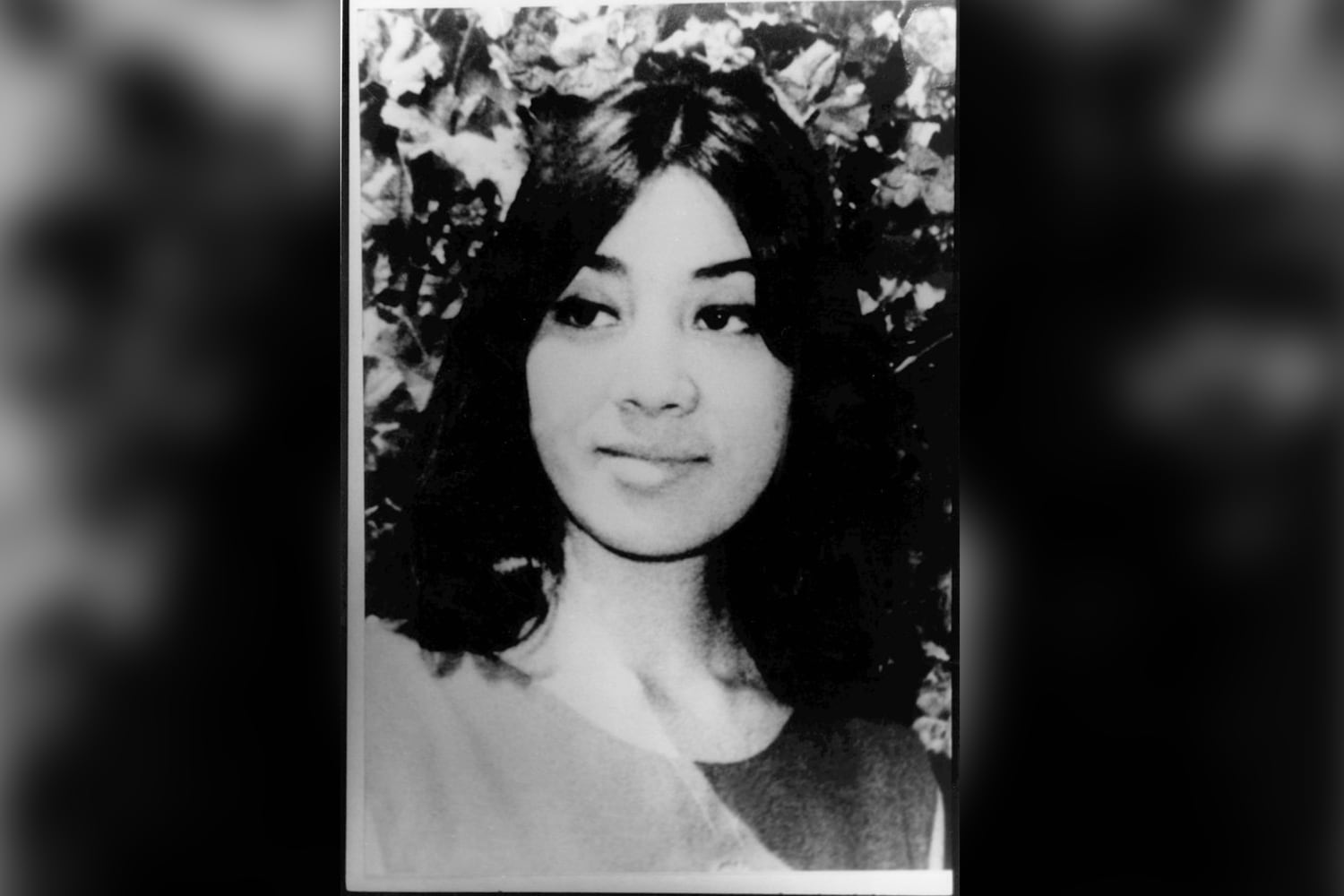
Bernarda Vera, a Chilean woman who was declared missing during the Pinochet dictatorship, was found alive in Argentina after decades. Tragically, her parents passed away without ever knowing she was alive. Vera was last seen by her mother in 1973 when she was just five years old. The circumstances surrounding her disappearance and reappearance are significant, prompting political action. Three deputies from the UDI (Independent Democratic Union) party are now demanding the restitution of funds that the state paid to Vera's family under a reparation law. This situation highlights the long-lasting impact of the dictatorship's human rights abuses and the complex legal and emotional aftermath for victims and their families.
The case of Bernarda Vera underscores the profound and enduring trauma inflicted by state repression, where families were subjected to prolonged uncertainty and grief. The demand for the restitution of state reparation funds by UDI deputies introduces a complex layer concerning the state's accountability and the financial mechanisms intended to address historical injustices. This situation prompts consideration of the criteria and processes for reparations, particularly when new information emerges years or decades later. It also raises questions about the state's capacity to proactively identify and support victims who may have been displaced or whose identities were altered during periods of political upheaval, ensuring that future reparation efforts are both comprehensive and responsive to evolving knowledge.
AI-generated to prompt reflection — not editorial opinion, not advice, not a statement of fact. How this works.