Chilean Finance Minister Agrees to Negotiate Mega-Reform After Senate President's Intervention
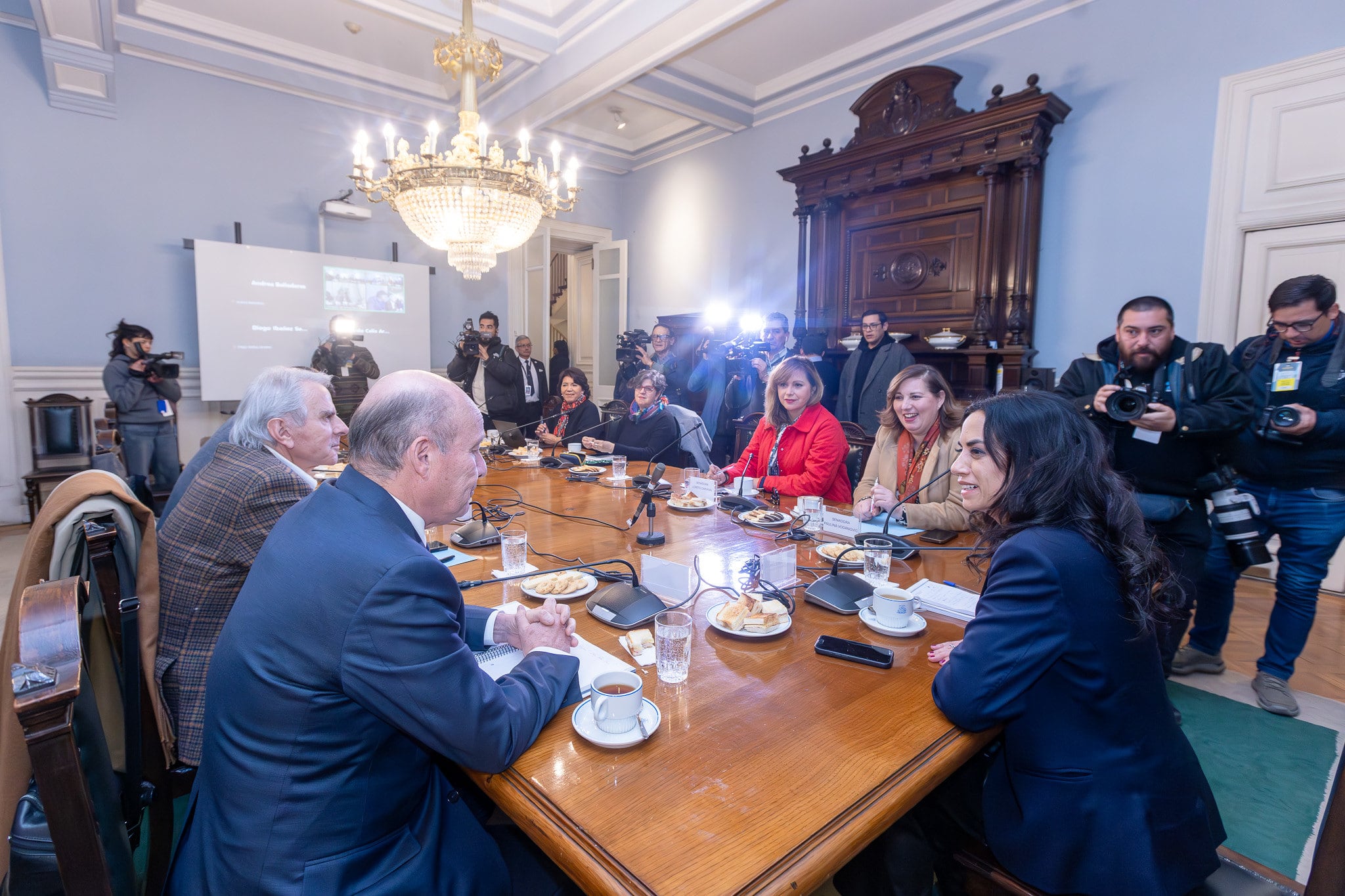
Chilean Minister of Finance, Marcel, agreed to participate in a negotiation table for a major reform, a move that was facilitated by the President of the Senate. While the Minister initially favored a document exchange approach, he was persuaded to join the in-person discussions. The President of the Senate's role in brokering this meeting was acknowledged and appreciated by the opposition. Minister Marcel stated that he had "never ever" refused to dialogue, emphasizing his willingness to engage. However, he cautioned that his participation does not signify an agreement to alter the core aspects of the proposed reform. This development marks a significant step in the ongoing discussions surrounding the government's reform agenda.
The Chilean government's approach to negotiating its "mega-reform" highlights a common tension between executive-driven policy initiatives and legislative oversight. Minister Marcel's initial preference for document exchange suggests a strategy to control the narrative and limit concessions. The Senate President's intervention, however, underscores the legislature's crucial role in ensuring broader consensus and accountability. This dynamic reflects the inherent checks and balances within a democratic system, where political actors must navigate differing incentives. The Minister's assertion of "never ever" refusing dialogue, while agreeing to meet, points to the performative aspects of political negotiation, where public perception and strategic positioning are paramount. The future success of the reform will likely depend on the government's ability to balance its core objectives with the need for legislative buy-in, a challenge amplified in an era demanding greater transparency and stakeholder engagement.
AI-generated to prompt reflection — not editorial opinion, not advice, not a statement of fact. How this works.