Chilean Gendarmerie Begins Relocating Inmates to Punta Peuco Prison
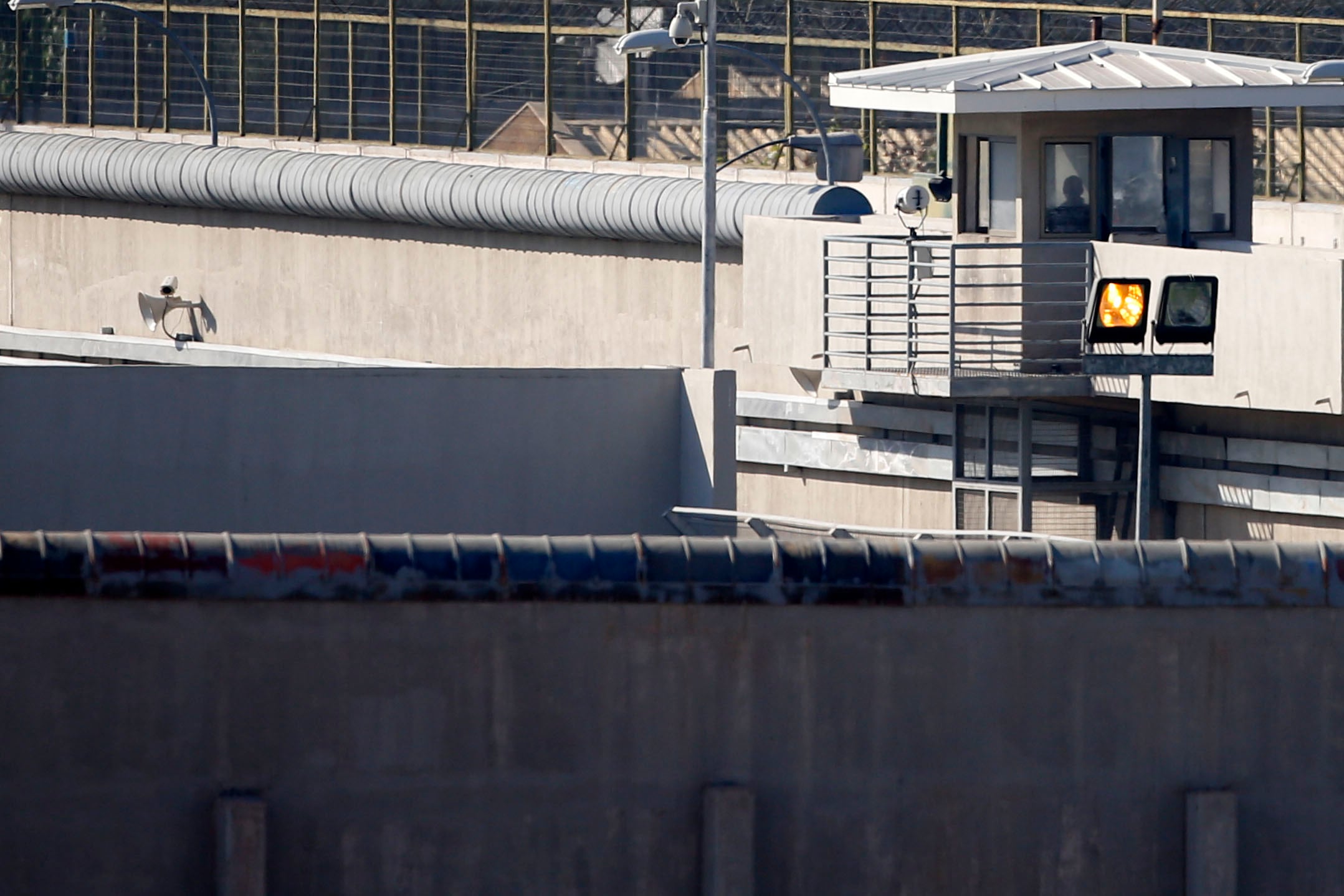
Chile's Gendarmerie has commenced the process of populating 32 available spaces within the former Punta Peuco prison. Officials from the prison institution stated that inmates transferred to the current CCP (Center for Preventive Detention) in Tiltil will originate from CCP Colina 1 and other penitentiary establishments across the country. This move signifies a significant step in the utilization of the Punta Peuco facility, which previously housed individuals convicted of human rights violations during the Pinochet dictatorship. The relocation aims to consolidate or reassign inmates, impacting the operational capacity and inmate distribution within Chile's correctional system. Further details regarding the specific criteria for inmate selection and the timeline for the full occupation of these 32 spaces have not yet been released by the Gendarmerie. The repurposing of Punta Peuco continues to be a subject of public interest in Chile, given its historical context.
The Gendarmerie's decision to populate the Punta Peuco facility with 32 inmates from various correctional centers, including Colina 1, represents a strategic adjustment in Chile's prison management. This action could be driven by a need for better resource allocation, inmate classification, or a response to overcrowding in other facilities. The historical context of Punta Peuco, known for housing individuals convicted of human rights abuses during the Pinochet era, adds a layer of sensitivity to this development. The Gendarmerie's move, while framed as operational, may prompt discussions on the legacy of the dictatorship and the ongoing management of its perpetrators. From a systemic perspective, such relocations highlight the challenges of maintaining an equitable and efficient correctional system, especially when dealing with facilities that carry significant historical and social weight. The long-term implications for inmate rehabilitation, security, and public perception will depend on the transparency and rationale behind these population decisions.
AI-generated to prompt reflection — not editorial opinion, not advice, not a statement of fact. How this works.