Chilean Government Faces Cultural Backlash Amid Shifting Political Agendas
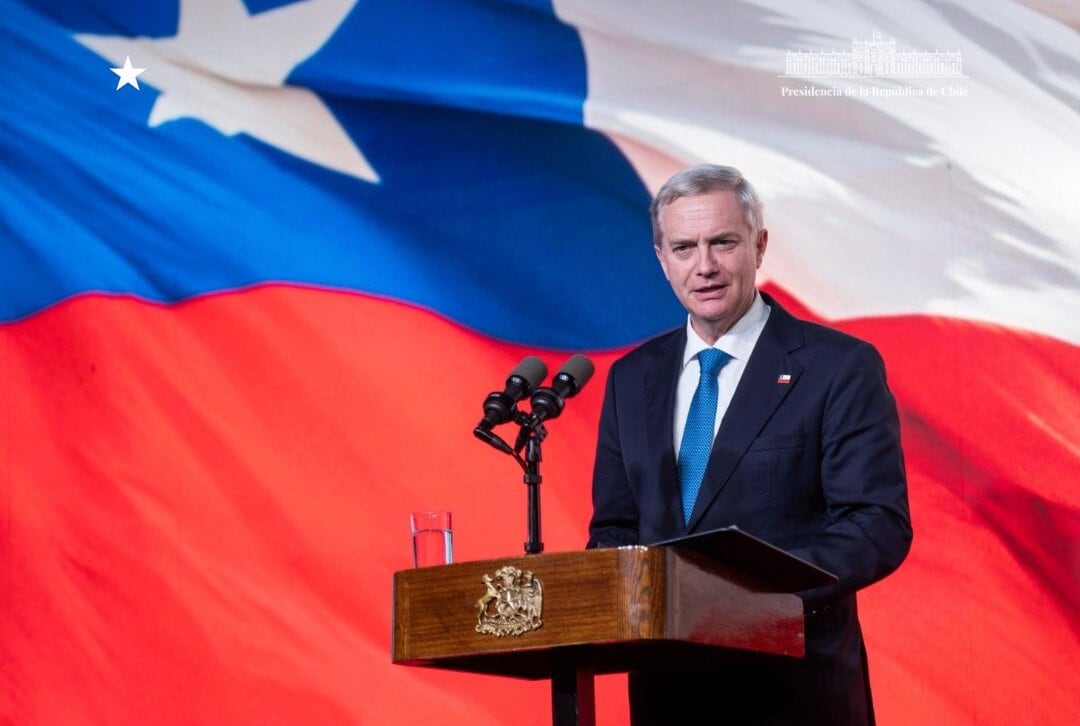
The Chilean government, led by President José Antonio Kast, is facing criticism for a series of legislative proposals and public statements that appear to diverge from its stated priorities of security, employment, and economic growth. These initiatives, often termed the "cultural battle" or "right-wing wokism," include attempts to restrict abortion access, criminalize the sale of abortifacients like misoprostol, dismantle human rights institutions, and question historical truth commissions. Additionally, there are calls to pardon individuals imprisoned for events during the social unrest and to reject concepts like gender perspective and international agendas such as the UN's 2030 plan. These moves have been linked to the radical right agenda seen in countries like the United States and Hungary.
President Kast himself has acknowledged that these cultural debates are consuming public attention and questioned whether they should be the primary focus. While he stated that the government would not engage in a cultural war during its campaign, many of these proposals align with his past political stances and the core ideology of his party. Critics argue that these initiatives, even if unlikely to pass, serve as a way to test the boundaries of public opinion and mobilize a conservative base, potentially at the expense of broader electoral mandates. The muted reactions from within the governing coalition, such as Evópoli's lack of strong opposition to the "Listen to your heart" bill, suggest a potential shift in the political landscape, blurring the lines of a distinct liberal center-right.
The article highlights concerns that these actions, appearing rapidly and with timid opposition from within the government, could be gradually shifting the political discourse and testing the limits of an electorate that did not vote for such a conservative agenda. The author suggests that President Kast's public remarks on the matter are driven more by political expediency than by a change in conviction, indicating a strategic maneuvering to avoid alienating voters on the right while exploring the acceptance of these more conservative ideas.
The current political discourse in Chile appears to be driven by a tension between a government's stated pragmatic priorities and the emergence of deeply held ideological positions within its coalition. This dynamic suggests a strategic recalibration of the political landscape, potentially leveraging cultural issues to consolidate a specific segment of the electorate. The rapid introduction of socially conservative proposals, even if framed as exploratory or testimonial, can gradually shift public discourse and normalize previously fringe ideas. This approach tests the resilience of established social consensus and the commitment of centrist factions within the ruling coalition to their liberal principles. The long-term implications involve a potential fragmentation of the political center and a hardening of ideological divides, forcing voters to confront the underlying value systems driving policy, rather than solely focusing on immediate economic or security concerns.
AI-generated to prompt reflection — not editorial opinion, not advice, not a statement of fact. How this works.