Chilean Government Faces Setbacks on Tax Reform, Political Appointments, and Climate Emergencies
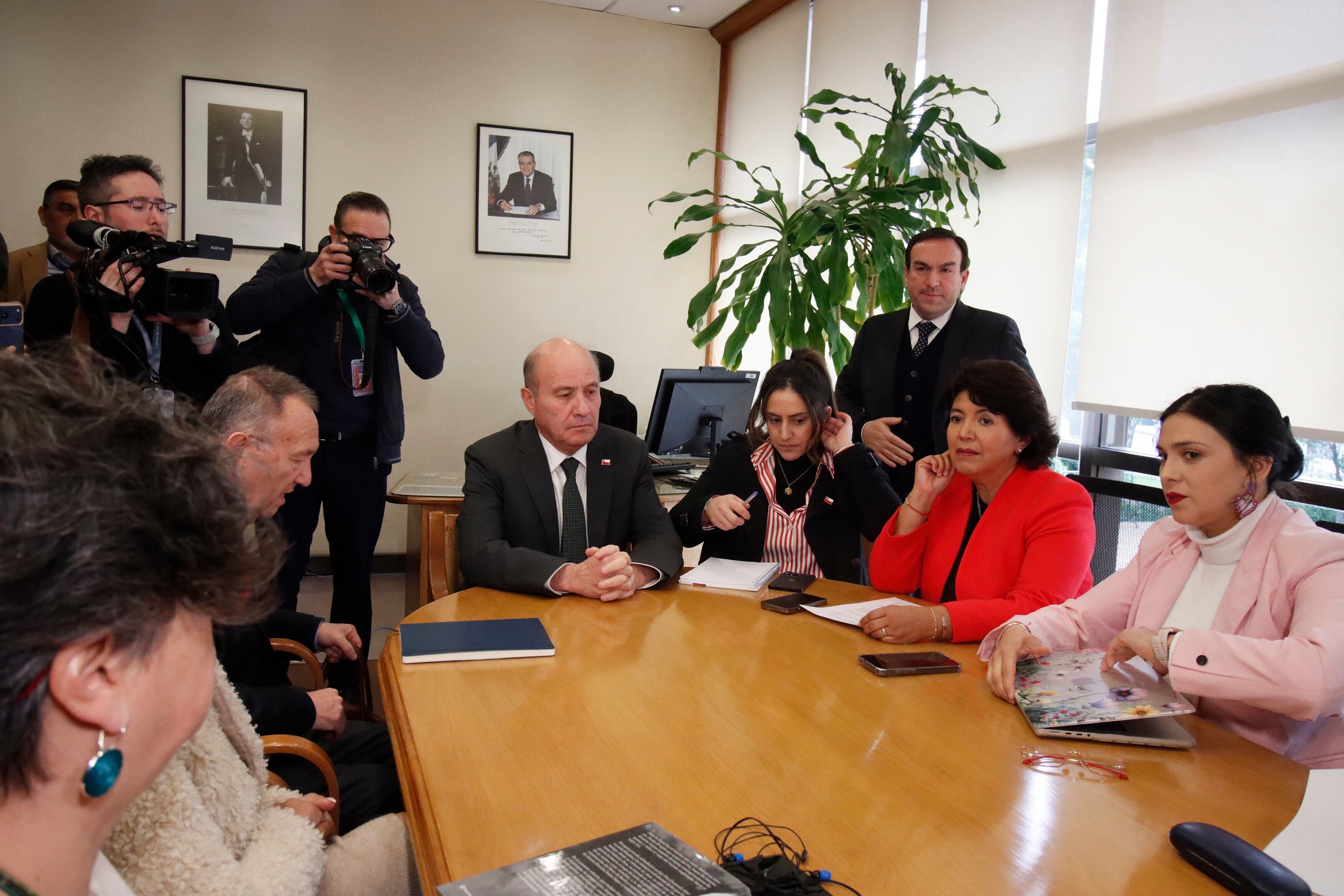
The Chilean government is encountering significant obstacles in advancing its major tax reform legislation. A recent setback occurred when the absence of ruling party senators forced the postponement of a vote on property tax exemptions for seniors to August. The government had previously agreed to compensate municipalities for the full amount of lost revenue from these exemptions, a move that has divided the mayors. Opposition mayors view the proposed compensation mechanism, which favors municipalities with greater resources, as regressive. Adding to the government's challenges, the opposition has filed three appeals with the Constitutional Court challenging key provisions of the reform bill.
This week also saw political turmoil within the executive branch. Former spokesperson Mara Sedini publicly criticized the government's political strategy, citing internal disloyalty. Furthermore, the Undersecretary of Finance, Juan Pablo Rodríguez, resigned after a positive drug test, despite his claims of non-drug use and pending counter-tests. This decision was reportedly influenced by the "Kast doctrine." The government also responded to its first major climate emergency, declaring a State of Catastrophe in the Coquimbo region and Huasco province due to severe damage from a frontal system that has resulted in at least 13 fatalities. International pressures include a 12.5% tariff imposed by the Trump administration on Chilean goods due to alleged forced labor, and volatile fuel prices influenced by the conflict with Iran.
The Chilean government's legislative and political landscape is characterized by a complex interplay of policy implementation challenges, internal political dynamics, and external pressures. The difficulties in passing the tax reform highlight the inherent tension between achieving broad political consensus and addressing specific stakeholder concerns, such as those of municipal governments. The compensation mechanism for property tax exemptions reveals a potential conflict between fiscal equity and municipal resource distribution, suggesting a need for more nuanced policy design that accounts for varying local capacities. The resignations and public criticisms point to internal governance issues and the impact of political doctrines on personnel decisions, underscoring the importance of robust internal communication and clear accountability frameworks. The government's response to the climate emergency demonstrates the increasing frequency and severity of such events, necessitating resilient infrastructure and proactive disaster management strategies. International trade disputes and geopolitical instability add further layers of complexity, impacting economic stability and requiring agile diplomatic and economic responses.
AI-generated to prompt reflection — not editorial opinion, not advice, not a statement of fact. How this works.