Chilean Government Proposes Constitutional Security Reform to Prevent Judicial Overrides
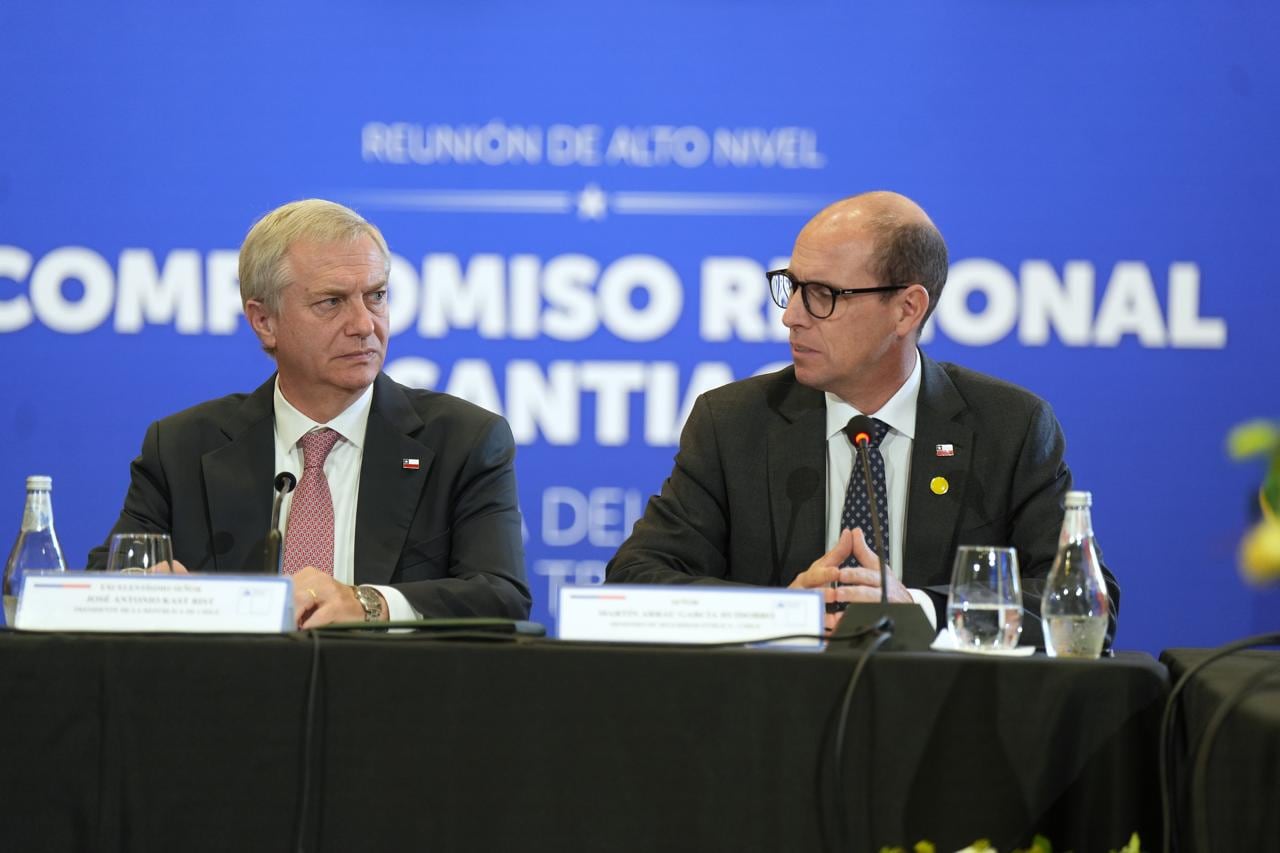
The Chilean Executive is developing a legislative proposal aimed at strengthening the national public security system and preventing future legal challenges to government initiatives by the Constitutional Court. This reform seeks to grant constitutional standing to public security measures, thereby safeguarding them from judicial review. A key aspect of the proposed reform includes enabling the potential restriction of social rights in response to criminal activities. The initiative is being spearheaded by an individual named Arrau, with the objective of avoiding further setbacks in the Constitutional Court. This move signifies the government's commitment to bolstering public safety frameworks and ensuring the enforceability of security-related policies.
This proposed constitutional reform in Chile reflects a governmental effort to enhance public security by seeking greater autonomy from judicial review, particularly from the Constitutional Court. By elevating security measures to a constitutional level, the Executive aims to preemptively address potential legal objections that could impede policy implementation. The inclusion of provisions that could restrict social rights based on criminal acts introduces a complex trade-off between security imperatives and fundamental civil liberties. This approach may be viewed through the lens of evolving governance models in the face of rising public safety concerns, where states may seek to consolidate executive power over security matters. Future implications could involve a rebalancing of powers between branches of government and a redefinition of the scope of constitutional rights in a security-conscious era, prompting a debate on the long-term societal impact of such measures.
AI-generated to prompt reflection — not editorial opinion, not advice, not a statement of fact. How this works.