Chilean Government Pushes for Optional School Admissions in Education Reform Bill
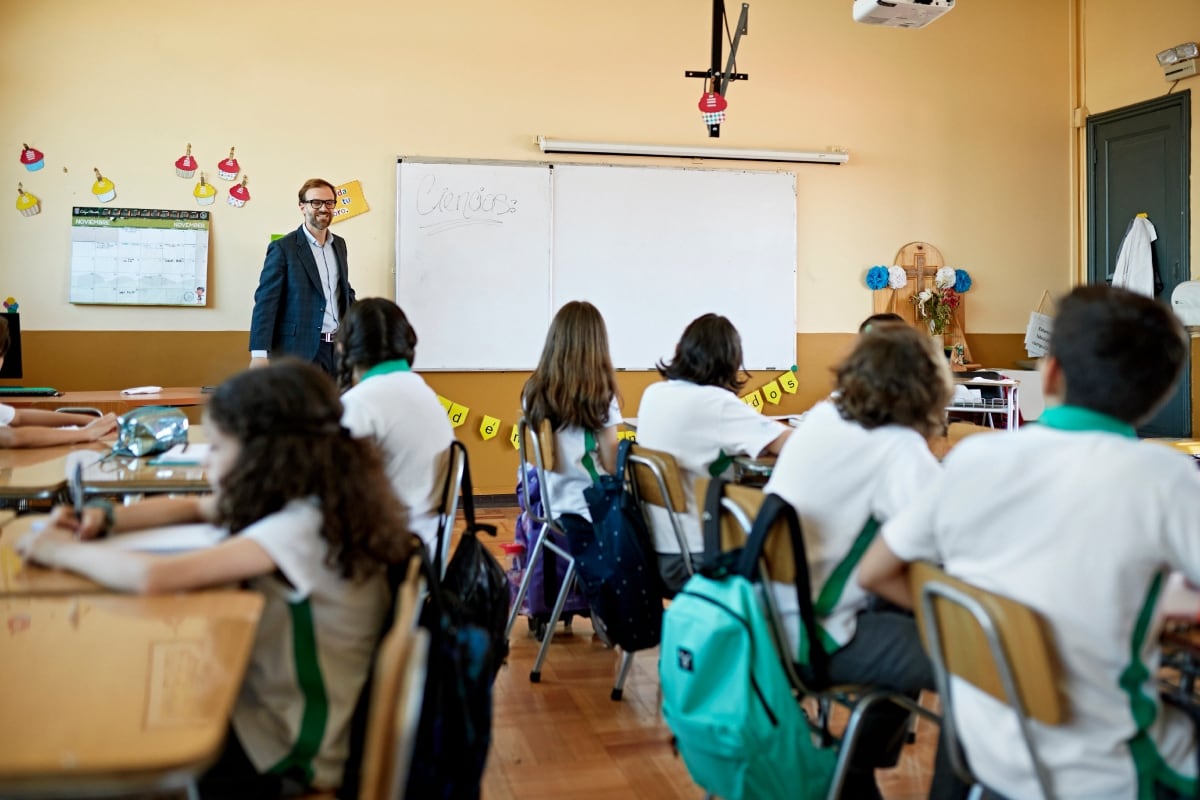
The Chilean government is pushing forward with its proposed reforms to the School Admission System (SAE), insisting on optional participation for schools in the selection process. Both the Executive branch and parliamentarians have submitted amendments to the bill. The Ministry of Education (Mineduc) continues to advocate for granting schools greater autonomy in student selection. However, the debate in parliament faced disruption on Wednesday when opposition deputies walked out, accusing the process of prematurely closing off discussion. This move highlights a significant division over the future direction of school admissions and the balance of power between educational authorities and individual institutions.
The government's push for optional school participation in admissions reflects a tension between centralized educational policy and institutional autonomy. While proponents may argue this fosters tailored educational environments and parental choice, critics might raise concerns about potential exacerbation of socio-economic segregation if schools can opt-out of broader admission frameworks. The opposition's walkout suggests a perception that the legislative process is not adequately accommodating diverse viewpoints, potentially undermining consensus-building for a system that impacts thousands of students. Future reforms will need to carefully balance these competing interests to ensure equitable access and quality education across the system, considering the long-term societal implications of selective versus inclusive admission models in an increasingly competitive global landscape.
AI-generated to prompt reflection — not editorial opinion, not advice, not a statement of fact. How this works.