Chilean Government Shelves Copyright Reform Amidst Creator Opposition
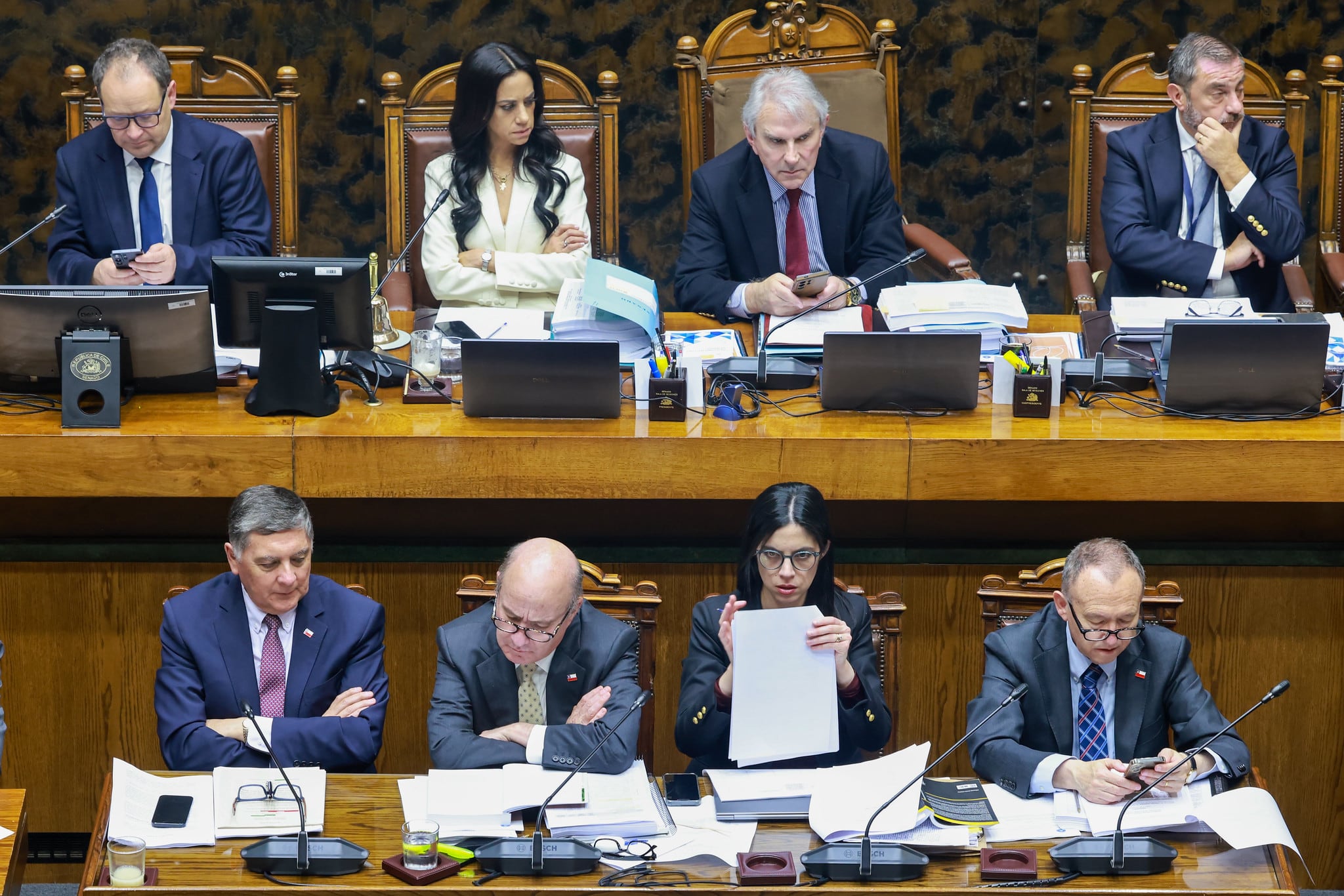
A significant reform to Chile's intellectual property law, which aimed to loosen copyright restrictions, has been withdrawn by the government. This decision comes ahead of a vote in the Lower House, following widespread opposition from creators, authors, and press associations. The proposed changes would have altered copyright law, and the backlash highlighted the necessity of including directly affected parties in legislative processes concerning intellectual property. The signatories of this statement represent organizations with extensive experience in Chile's artistic and cultural development. They possess a wealth of knowledge that can contribute to policy discussions and technical proposals for a regulatory framework suitable for the current era. This framework should also protect intellectual property rights holders and acknowledge the contributions of creators. Although this specific initiative has been rejected, vigilance is advised as similar proposals might reappear in other ongoing legislative discussions. The signatories pledge to remain observant and actively participate in defending the value of intellectual property. Key figures involved include Arturo Duclós of Creaimagen and Diego Muñoz of Sadel.
The withdrawal of the proposed intellectual property law reform in Chile, following significant pushback from creator groups, underscores a critical dynamic in legislative policymaking. It demonstrates that while governments may seek to modernize or alter existing frameworks, the influence of established stakeholder groups, particularly those representing creative industries, can effectively halt or reshape such initiatives. This event highlights the tension between potential public access benefits from relaxed copyright and the economic and moral rights of creators. Moving forward, policymakers will need to navigate a complex landscape where balancing innovation, digital accessibility, and the protection of intellectual property rights is paramount. The long-term implications involve how Chile, and similar economies, will adapt their legal structures to foster both creative output and broader access to cultural and informational content in the digital age, considering the evolving nature of content creation and distribution.
AI-generated to prompt reflection — not editorial opinion, not advice, not a statement of fact. How this works.