Chilean kite string seized in Macapá's São José Fortress
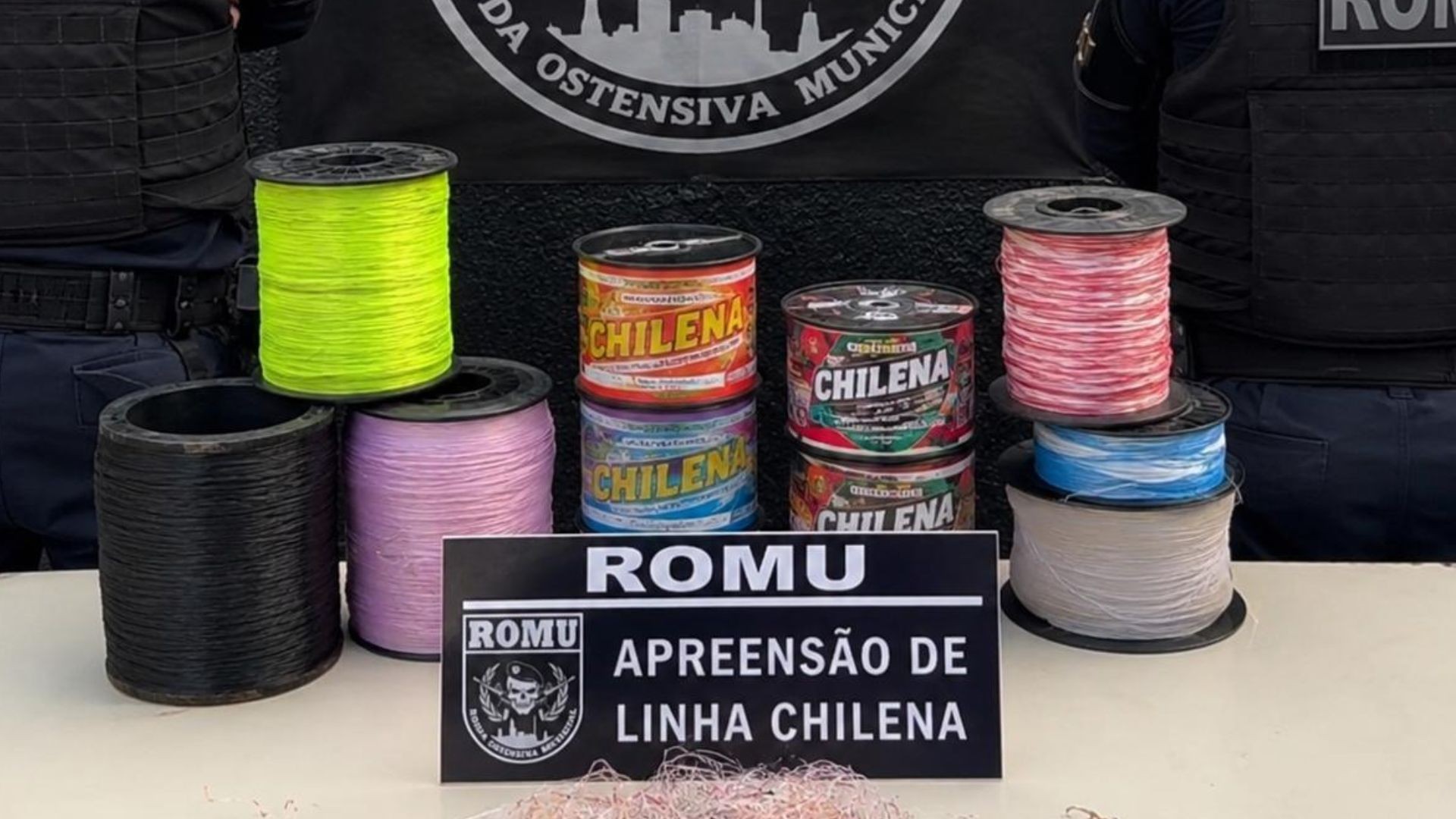
At least ten spools of "linha chilena," a type of kite string, were seized on Monday night, November 20th, at the São José Fortress in downtown Macapá, Brazil. This material is used for flying kites but its use is prohibited due to the significant risk it poses to the public. Municipal Civil Guard officers discovered the illegal string during a patrol of the popular tourist site, which is frequently used by kite enthusiasts. Authorities are strongly advising against the use of cutting kite lines in the area. The seized material was transported to the Municipal Guard's command center. This incident follows a tragic event on June 30th in Amapá, where an individual died after being struck by "cerol"-coated kite string. In that case, motorcyclist Cleuson Andrade Viana, 39, died from a neck injury sustained while riding his motorcycle. He was taken to the hospital but succumbed to his injuries approximately thirty minutes later due to severe bleeding. The use of "cerol" or "linha chilena" can lead to criminal charges ranging from bodily harm to homicide, depending on the outcome. Additionally, civil liability may require offenders to compensate for damages, and parents can be held responsible for negligence if their children cause accidents. State and municipal laws prohibit the manufacture, distribution, and sale of this dangerous kite string, with penalties including seizure of goods and fines for vendors.
The seizure of "linha chilena" highlights a persistent public safety challenge where recreational activities intersect with dangerous materials. While the immediate concern is preventing injuries and fatalities from cutting kite strings, the underlying issue involves regulatory enforcement and public awareness campaigns. The prohibition of these materials by state and municipal laws indicates a recognized hazard, yet their continued presence suggests a gap between legislation and effective deterrence. Future strategies might explore technological solutions for kite string safety, enhanced community education on the risks, and more robust enforcement mechanisms, particularly during periods of increased outdoor activity like school holidays and summer. Addressing the demand side through education and the supply side through stricter controls could mitigate the systemic risks associated with such hazardous materials.
AI-generated to prompt reflection — not editorial opinion, not advice, not a statement of fact. How this works.