Chilean Lawmaking Prioritizes Social Media Impact Over Technical Soundness
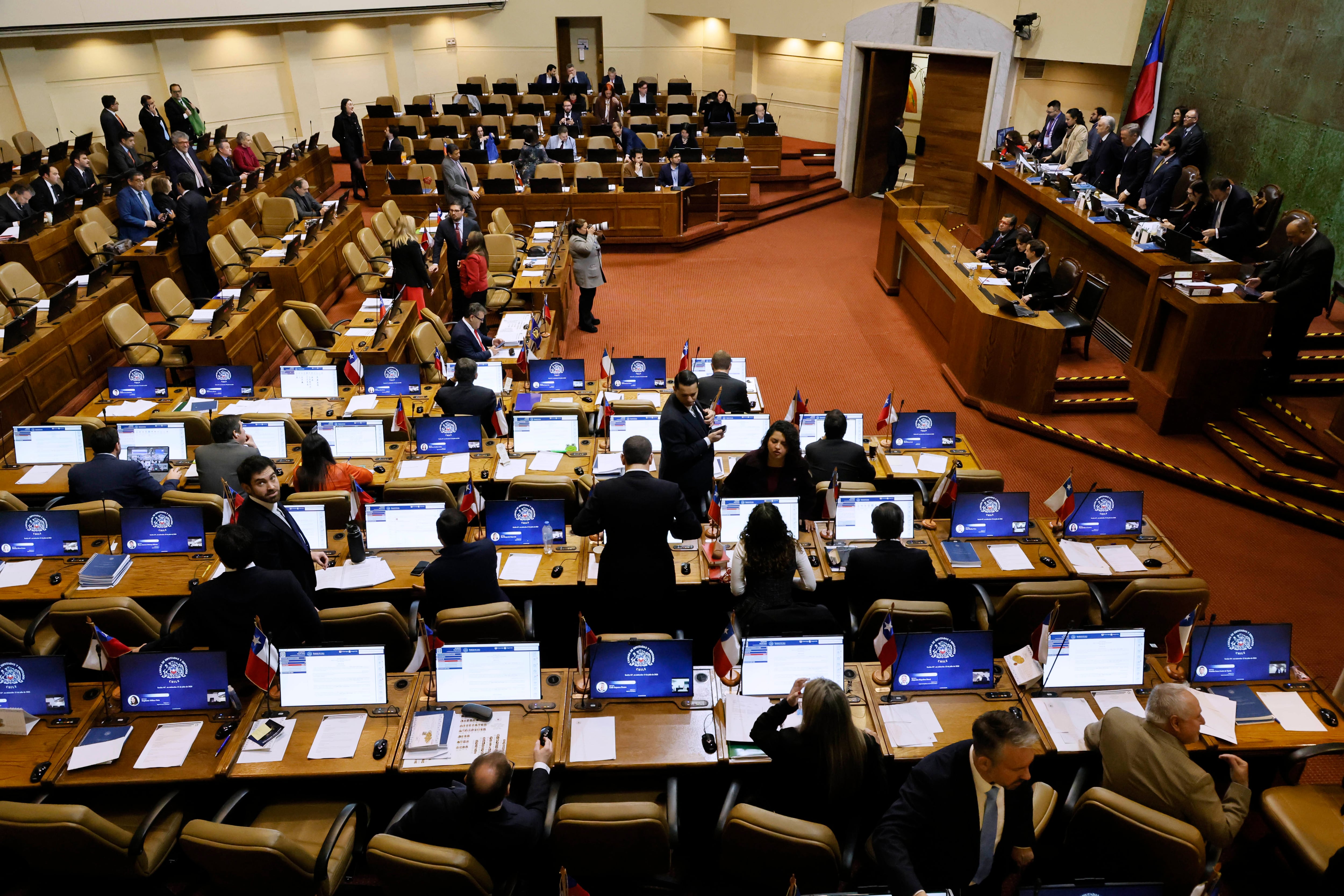
A growing trend in Chile involves lawmakers prioritizing initiatives for their social media impact rather than their technical or constitutional soundness. This practice, termed 'legislative do-goodism,' sees parliamentary proposals advanced based on their media appeal, even if they are technically flawed or violate existing regulations, such as committing public funds without executive endorsement. The justification often cited is a supposed urgency, leading some parliamentarians to bypass established rules or disregard expert advice. Examples of this approach include past pension withdrawal schemes and the port royalty debate. Currently, this is exemplified by the pressure from the PDG party to secure VAT exemptions, a policy deemed risky but popular, as a condition for supporting a significant government reform. The author argues that the Congress must reinstate a high technical standard in its legislative work, as the ultimate cost of technically deficient laws is borne by ordinary citizens. Evidence should not be sacrificed for political expediency, as sound legislative practice is itself a crucial public policy.
This commentary highlights a potential systemic issue in Chilean legislative processes where the pursuit of popular appeal, amplified by social media, may overshadow rigorous technical and constitutional review. When legislative actions are driven by perceived short-term political gains or public relations benefits rather than evidence-based policy and sound fiscal management, the long-term consequences can disproportionately affect citizens through inefficient resource allocation or legal challenges. This dynamic raises questions about institutional incentives within the legislature and the balance between democratic responsiveness and the need for expert-informed governance. Moving forward, strengthening procedural safeguards and fostering a culture that values technical due diligence over immediate political wins could lead to more sustainable and equitable public policy outcomes.
AI-generated to prompt reflection — not editorial opinion, not advice, not a statement of fact. How this works.