Chilean Meteorologist Defends Radar Investment, Citing Broader Benefits
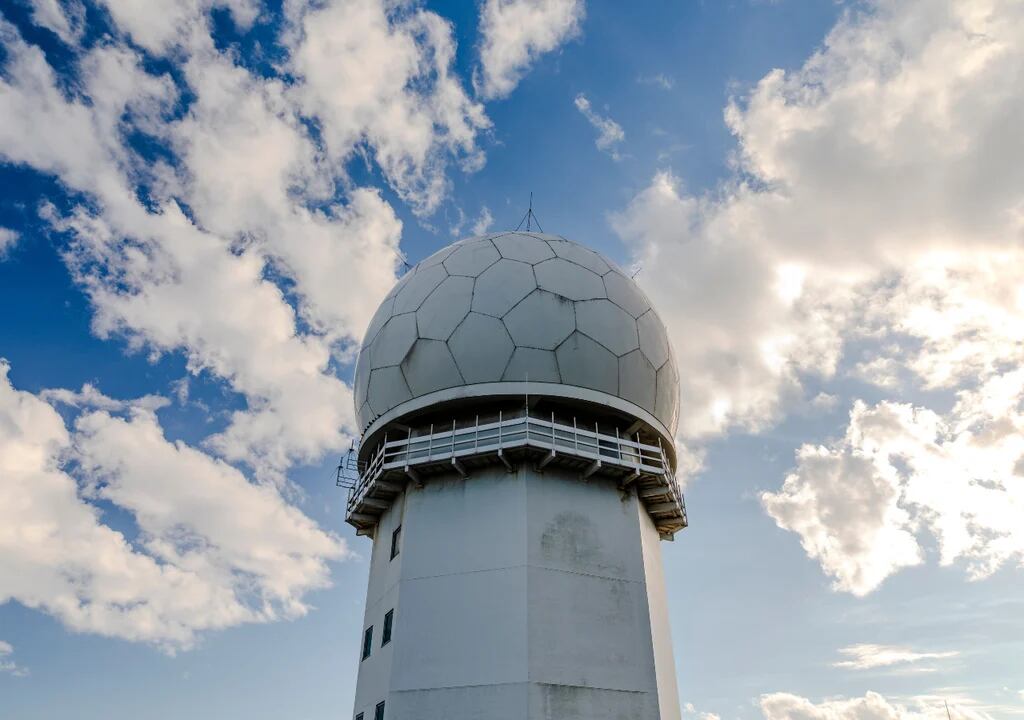
Raúl Cordero, an academic at the University of Santiago, Chile (Usach), has defended the implementation of weather radars, asserting that it represents an investment Chile can afford. He specifically stated that the initiative is "pro-radar" and emphasized that these devices serve purposes beyond just detecting tornadoes. Cordero's remarks aim to counter potential skepticism or concerns regarding the cost and utility of such meteorological infrastructure. He suggests that the benefits of having advanced radar systems extend to various aspects of weather monitoring and prediction, implying a broader positive impact on public safety and economic activities reliant on accurate weather forecasts. The academic's defense highlights the perceived value and feasibility of enhancing Chile's meteorological capabilities through radar technology.
The deployment of advanced meteorological infrastructure like weather radars presents a classic public goods dilemma. While the immediate costs are quantifiable, the long-term benefits, such as improved disaster preparedness and economic stability, are often harder to monetize but represent significant societal value. Cordero's argument suggests a strategic prioritization of preventative investment over reactive disaster management. From a systems perspective, integrating such technology can enhance national resilience in the face of increasingly unpredictable weather patterns, a trend likely to be exacerbated by climate change. The key challenge lies in demonstrating the return on investment, not just in economic terms, but in terms of lives saved and reduced societal disruption, thereby justifying the expenditure to taxpayers and policymakers alike.
AI-generated to prompt reflection — not editorial opinion, not advice, not a statement of fact. How this works.