Chilean Minister Respects Committee Decision but Expresses Doubts on Motives
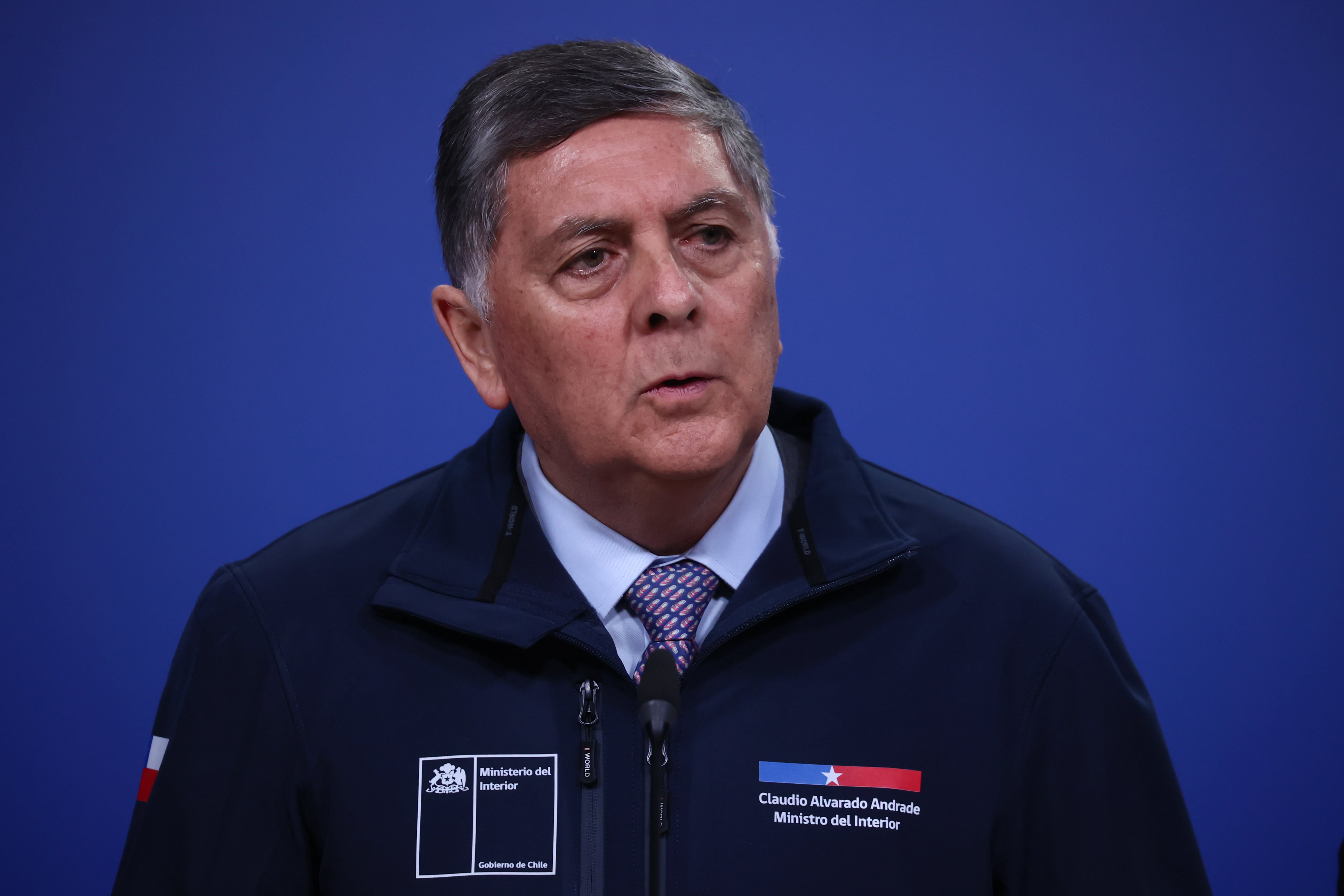
Chile's Minister of the Interior and Government Spokesperson, Alvaro, stated that the opposition has achieved its objective and that the government respects this decision. However, he also expressed "doubts" regarding the commission's objective against Steinert. The minister's comments suggest a complex political dynamic where, despite acknowledging the procedural outcome, there are underlying concerns about the motivations behind the opposition's actions. This situation highlights potential tensions between the government and the opposition concerning specific political figures and the processes targeting them. The government's stated respect for the decision indicates a commitment to democratic procedures, while the expressed doubts point to a strategic or political apprehension about the broader implications.
The minister's statement reflects a common political maneuver where a government acknowledges an unfavorable procedural outcome while simultaneously casting doubt on the underlying intentions. This approach allows the administration to appear compliant with democratic processes while signaling to its base and other stakeholders that the opposition's actions may be politically motivated rather than purely procedural. Such dynamics often arise in environments with significant political polarization, where institutional mechanisms can be leveraged for partisan advantage. The government's expressed 'doubts' could be interpreted as an attempt to preemptively frame future political battles or to rally support by highlighting perceived unfairness, rather than a direct challenge to the legitimacy of the decision itself.
AI-generated to prompt reflection — not editorial opinion, not advice, not a statement of fact. How this works.