Chilean Minister Urges Collaboration Amidst Government Spokesperson Debate
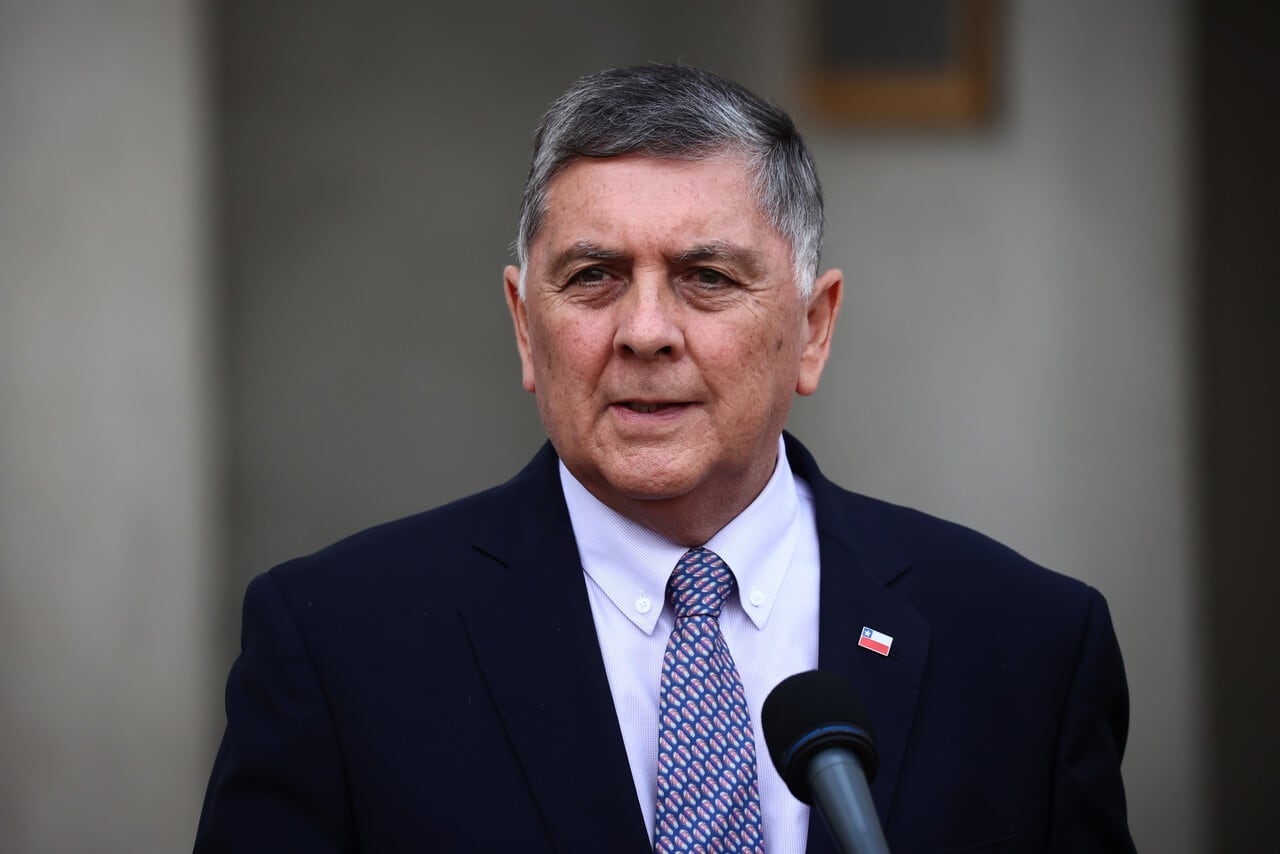
Chilean Minister Alvarado has reiterated his defense of the current government spokesperson structure, despite criticism from within the ruling coalition. Some members of the ruling sector are advocating for a single, unified government spokesperson. Alvarado's call for a "collaborative spirit" aims to address these internal disagreements and foster a more cohesive approach to government communication. The debate centers on how best to present the government's message to the public. Alvarado's stance suggests a belief in the effectiveness of the current multi-spokesperson model or a reluctance to implement significant changes. The situation highlights ongoing discussions within the government regarding communication strategy and internal party dynamics.
The internal debate over government spokespersons reflects a common tension between centralized messaging control and diverse representation within a political coalition. While a single spokesperson can project a unified image and streamline communication, multiple voices may allow for nuanced articulation of different policy areas and broader engagement with various constituencies. The call for a "collaborative spirit" suggests an attempt to manage these divergent interests. Future governance models may need to balance these competing demands, potentially through clearer internal protocols for message coordination or by leveraging technological platforms for more dynamic and distributed communication strategies. The effectiveness of either approach will depend on the specific political context and the government's ability to maintain internal coherence.
AI-generated to prompt reflection — not editorial opinion, not advice, not a statement of fact. How this works.
