Chilean Ministry of Foreign Affairs Faces Scrutiny Over Meeting with Israeli Minister
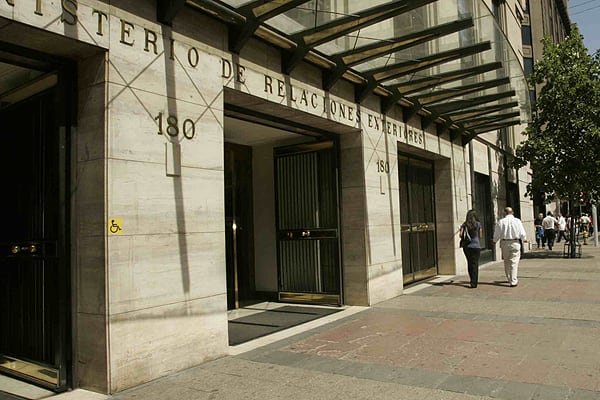
The Chilean Embassy in Israel, led by Ambassador Gabriel Zaliasnik, recently held a meeting with Israeli Minister Amichai Chikli, which the embassy described as an effort to "strengthen" bilateral relations. This meeting has drawn criticism from the Palestinian community in Chile, particularly from its president, Maurice Khamis Massú. Minister Chikli has been a proponent of integrating Israeli settlements in northern Gaza into the Likud party's platform. He made these remarks following a meeting with Nachala, a settler movement sanctioned by the European Union for encouraging forced displacement of Palestinians and for its association with settler violence. Chikli has also used inflammatory language, labeling the Palestinian government a "neo-Nazi entity."
While diplomatic dialogue is acknowledged as necessary, critics argue that such meetings should not serve as a platform to normalize officials who promote agendas contrary to international law, the two-state solution, and civilian protection. Chile, under President Piñera's mandate, recognized the State of Palestine and has consistently defended the position that settlements in occupied territories violate international law and hinder a just and lasting peace. The core issue raised is not the fact of the meeting itself, but its public nature without a clear reaffirmation of Chile's established stance. The Ministry of Foreign Affairs is called upon to explain the purpose of the encounter and clarify the position Chile conveyed to Minister Chikli.
The diplomatic engagement between Chile's embassy and Israeli Minister Amichai Chikli highlights the complex geopolitical balancing act inherent in international relations, particularly concerning the Israeli-Palestinian conflict. While diplomatic channels are essential for maintaining dialogue, the public nature of this meeting, especially given Minister Chikli's controversial stances and the actions of groups he associates with, raises questions about the signaling effect on international norms and the perceived commitment to established legal frameworks like international humanitarian law and the two-state solution. The situation underscores the tension between pragmatic diplomacy and principled foreign policy, prompting reflection on how nations navigate these competing interests to avoid inadvertently legitimizing actions that contravene widely accepted international standards. Future engagements may benefit from clearer communication strategies that simultaneously uphold diplomatic openness and reaffirm core values and legal commitments.
AI-generated to prompt reflection — not editorial opinion, not advice, not a statement of fact. How this works.