Chilean Opposition Reform Would Oust Drug-Using Officials, Excluding President and Judges
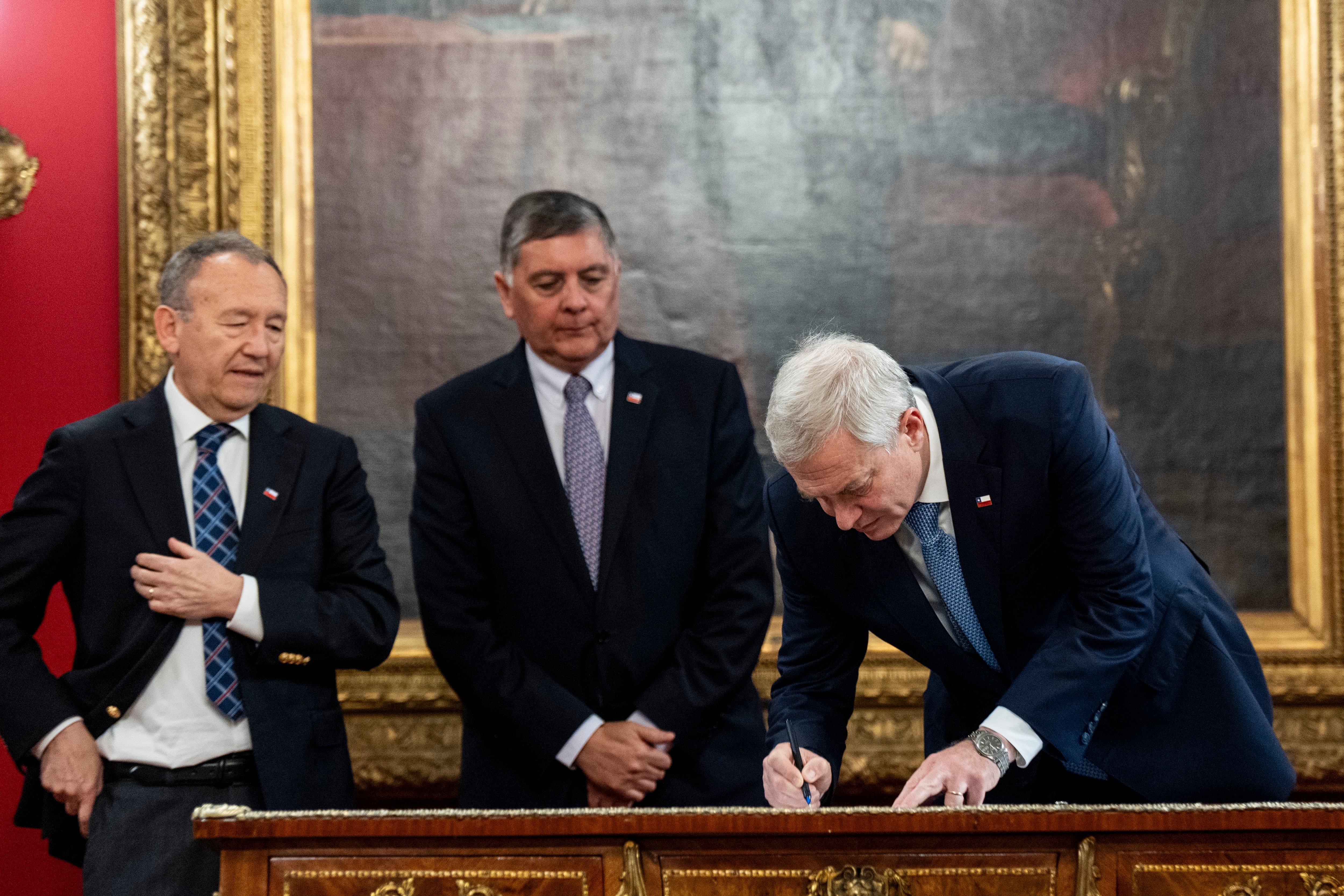
A proposed reform by Chile's opposition would mandate the dismissal of public officials found to be consuming drugs. However, the current draft of the legislation explicitly excludes the President of the Republic and members of the judiciary from its provisions. This exclusion is reportedly due to legal interpretations of the Fundamental Charter, which currently does not stipulate that the head of state or parliamentarians can be removed from office under such circumstances. The reform aims to address drug use within public service, but its scope is limited by existing constitutional frameworks. The distinction in treatment between different branches of government raises questions about the reform's comprehensive reach and its potential effectiveness in ensuring drug-free public administration across all levels. Further legal debate and potential amendments may be necessary to reconcile the reform's objectives with constitutional constraints.
The proposed reform highlights a tension between the desire for drug-free public service and existing constitutional protections for high-ranking officials. The exclusion of the President and judges, attributed to legal interpretations of the Fundamental Charter, suggests a need for careful consideration of governance structures and accountability mechanisms. This situation prompts reflection on how to balance the integrity of public institutions with the specific legal statuses of elected and appointed officials. Future legislative efforts might explore alternative approaches to address drug use among all public servants, potentially through amendments or separate legal frameworks, ensuring a more uniform standard of conduct across government.
AI-generated to prompt reflection — not editorial opinion, not advice, not a statement of fact. How this works.